All the cards
Each note is available below. Page-turn controls work when JavaScript is enabled.
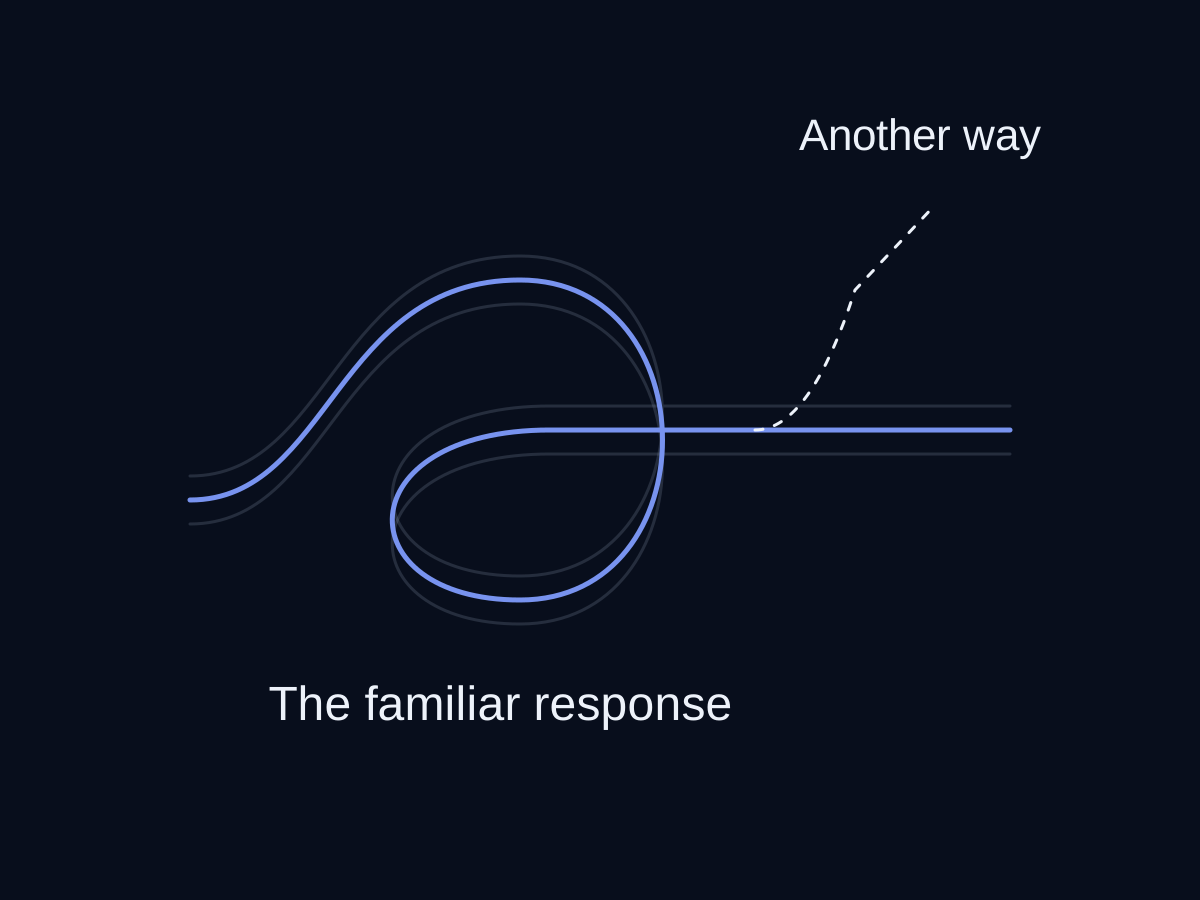
Familiar patterns
Familiar patterns can become easier to rely on as we grow older. Notice when memory is deciding the response for you.
Collected note
Original handwriting ↗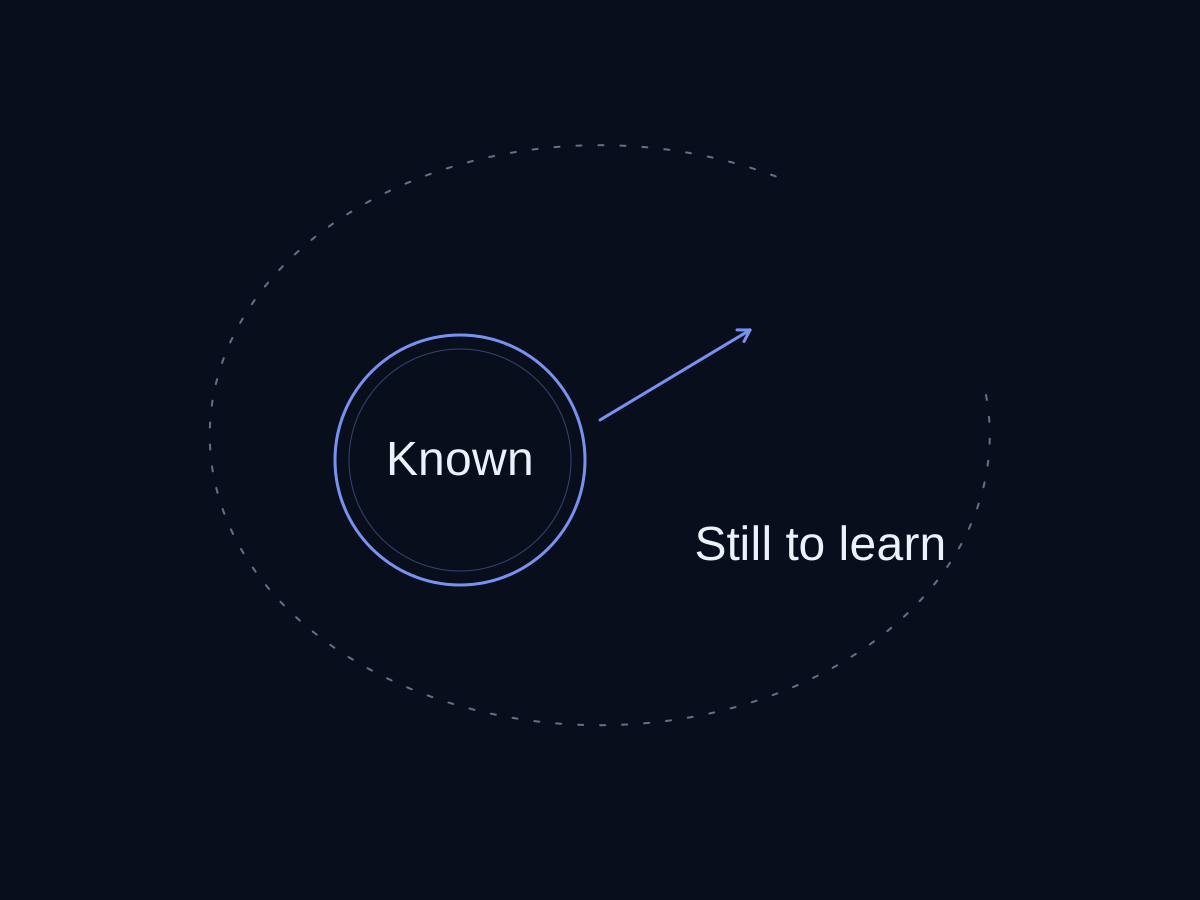
Knowing your limits
Recognise the limits of what you know. Keep room for learning.
Collected note; original Socrates attribution unverified
Original handwriting ↗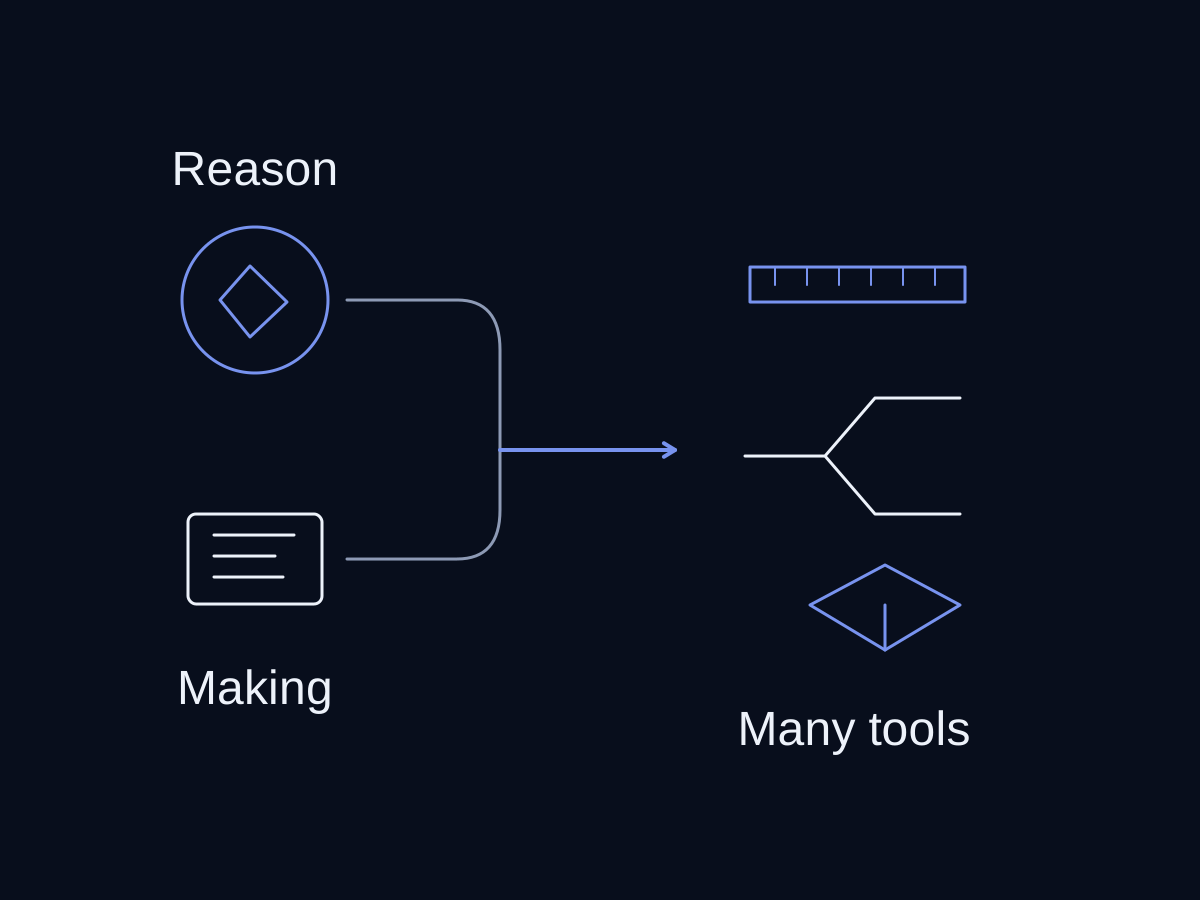
Reason and hands
Aquinas describes reason and hands as tools through which people can make many other tools, suited to many purposes.
After Thomas Aquinas, Summa Theologiae I.76.5
Original handwriting ↗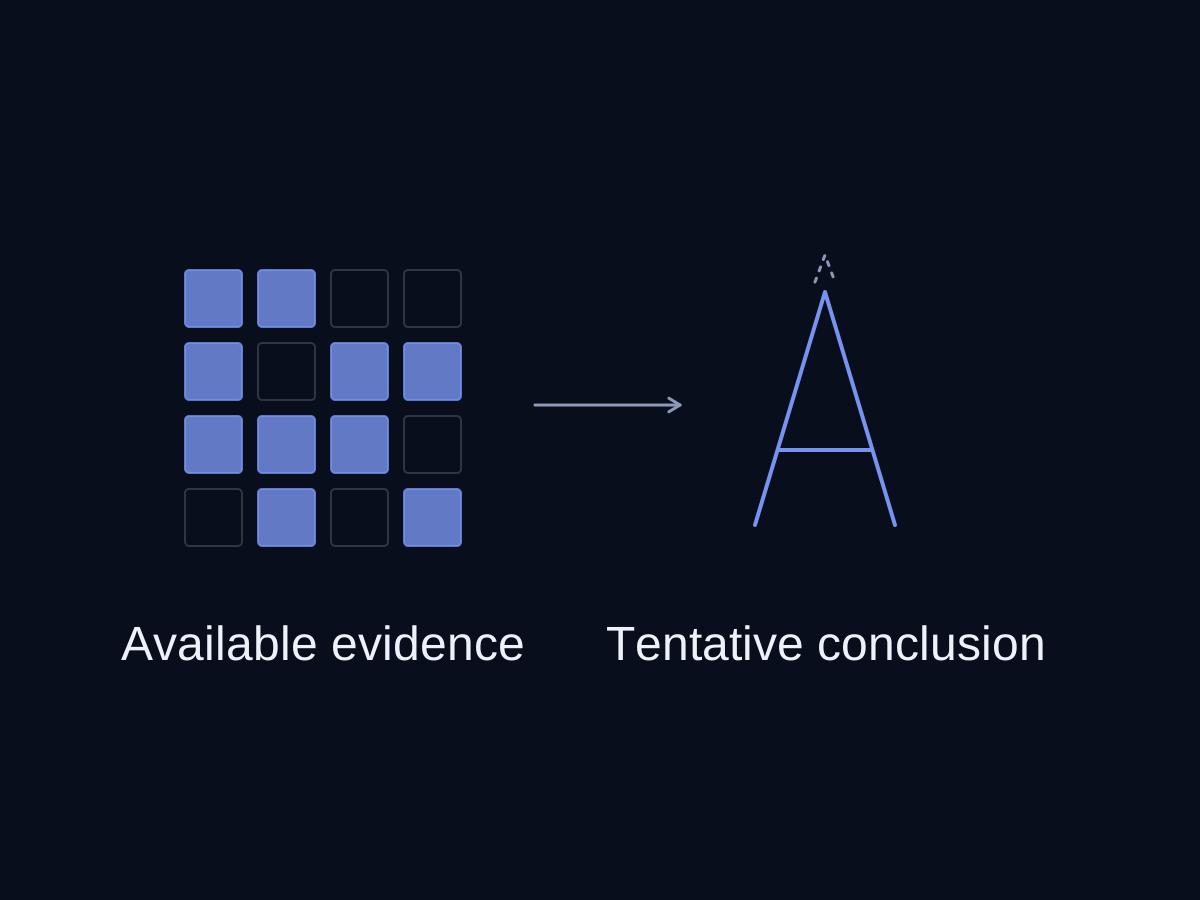
Limited data
Your conclusions depend on the information available to you. Limited information leaves room for error.
Collected note
Original handwriting ↗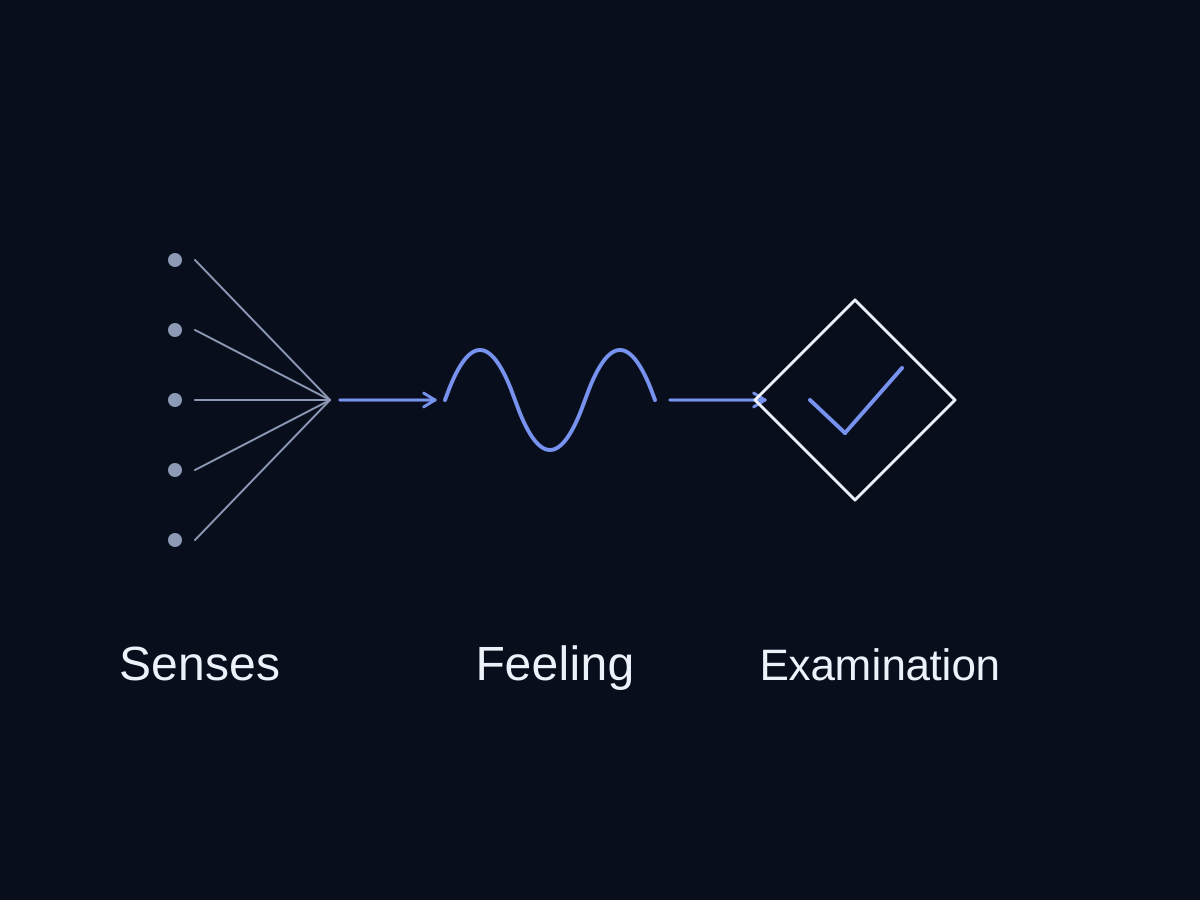
A sketch of experience
A sketch of experience: the senses feed the mind; the mind feels; the intellect reasons and examines thoughts.
Collected note
A philosophical sketch of experience.
Original handwriting ↗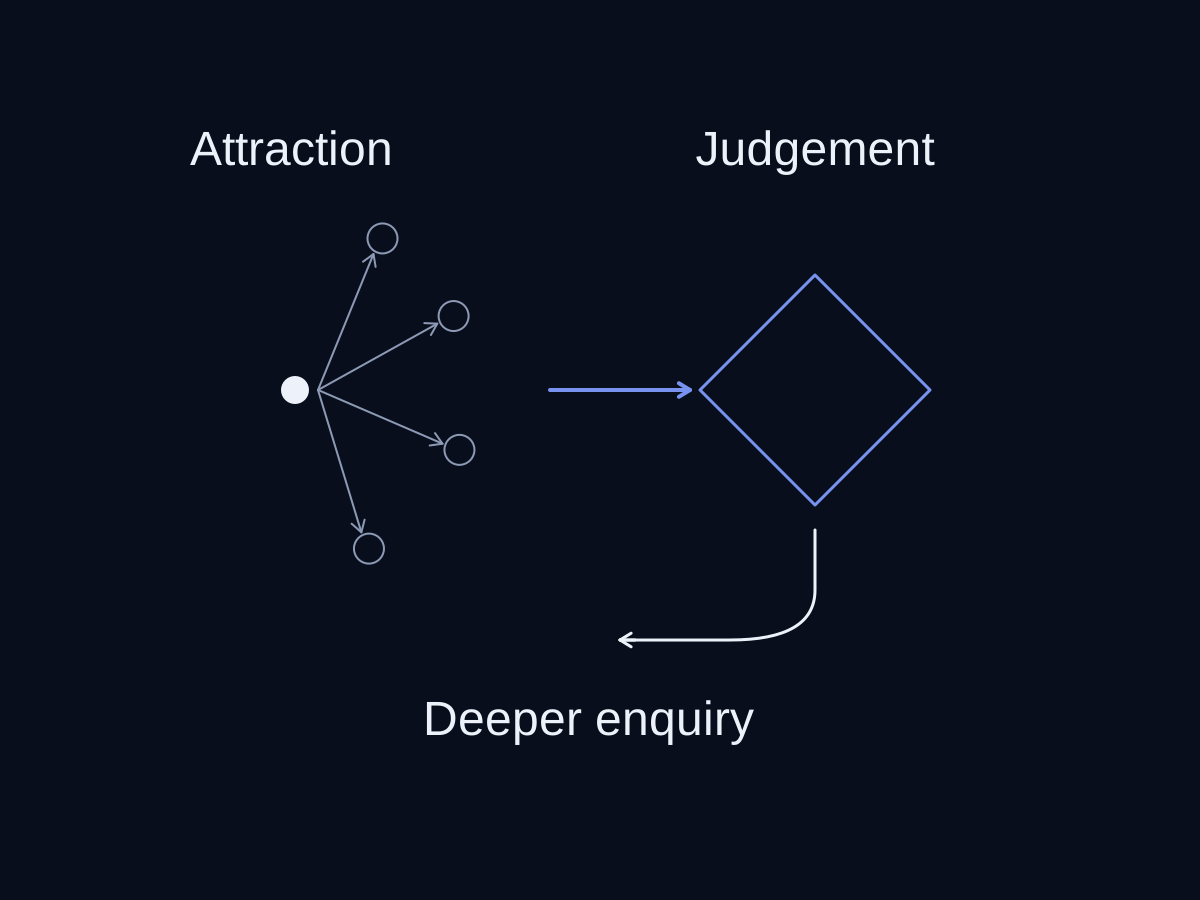
Mind and intellect
In this philosophical model, the mind is attracted and craves. The intellect examines and judges. Subtle enquiry asks what lies beyond the surface.
Collected note
Terms used within a philosophical model.
Original handwriting ↗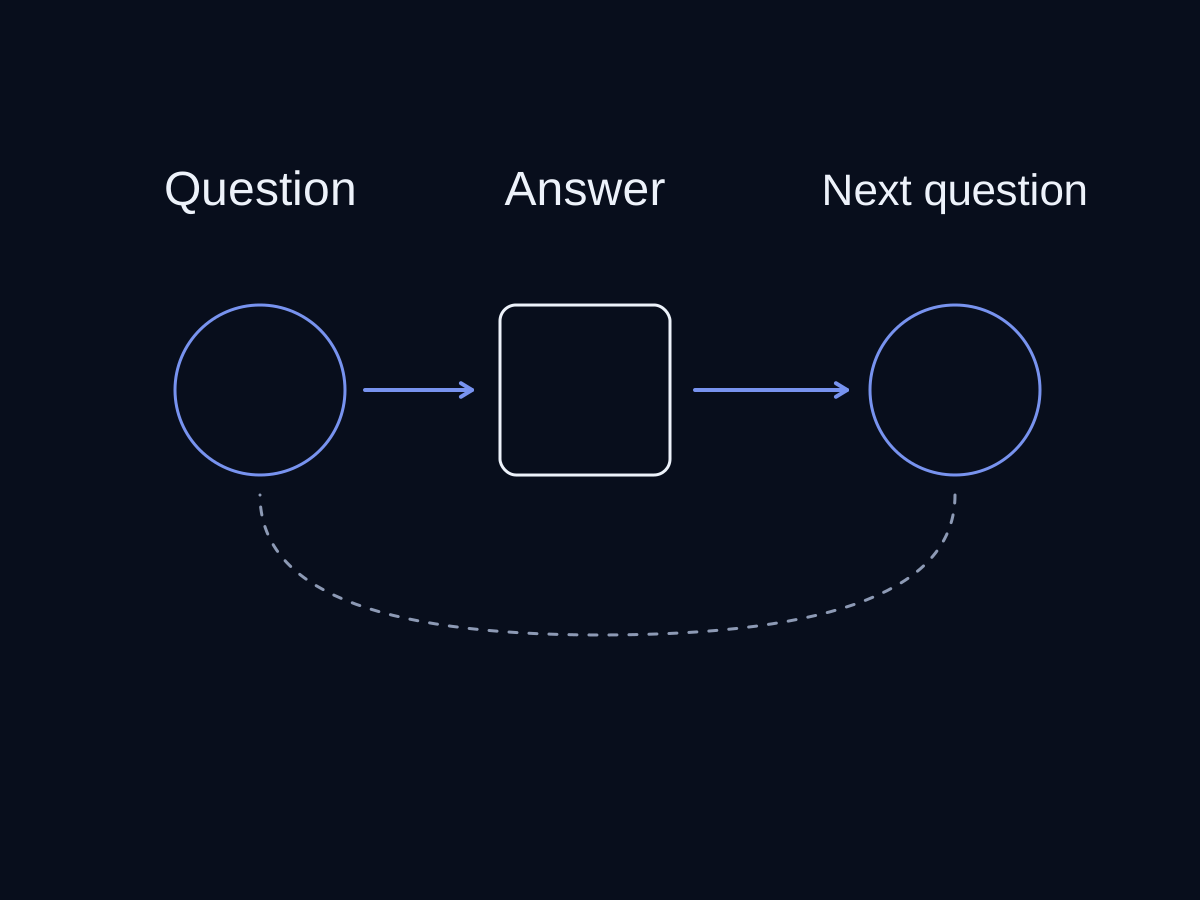
The next question
The mind can keep asking for another answer.
Collected note
Original handwriting ↗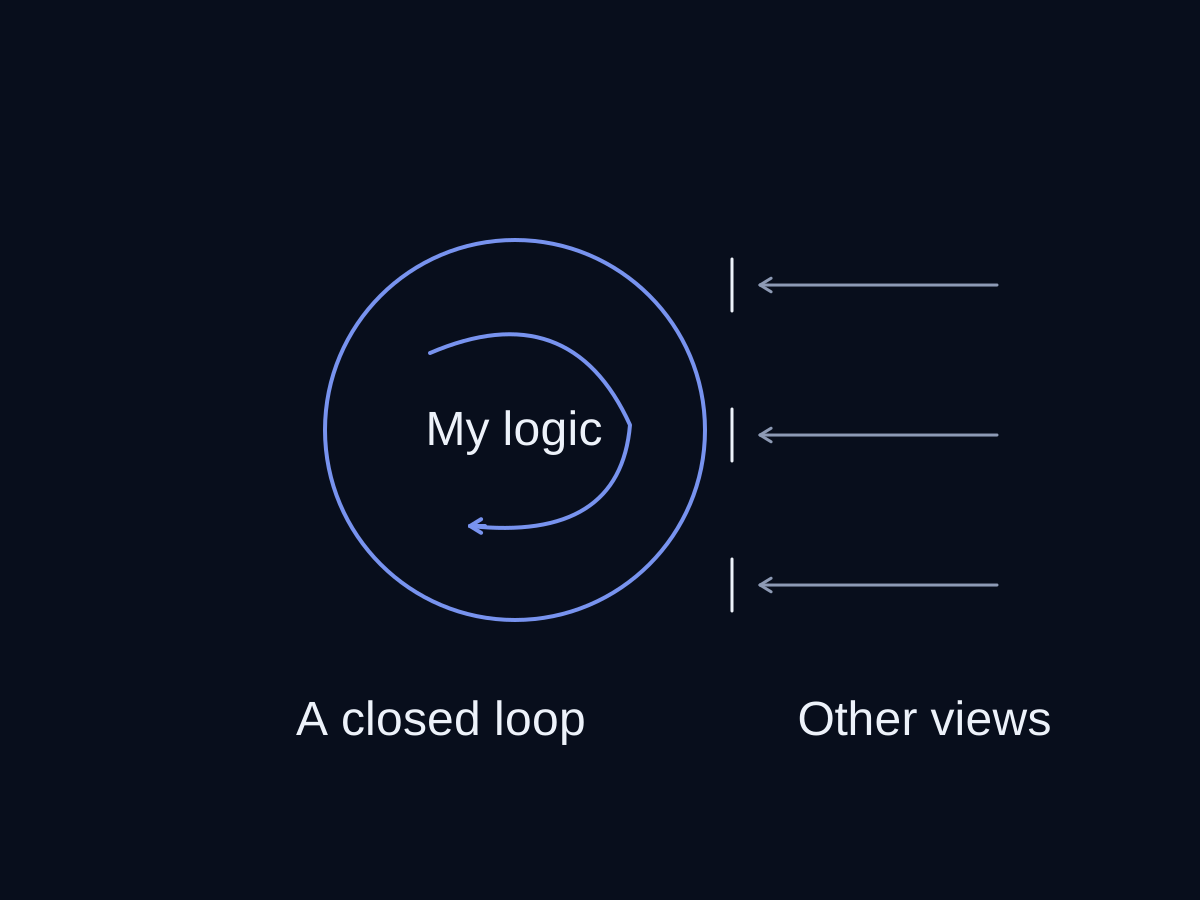
Attached to a view
A person can become so attached to their own logic that every other view looks mistaken. The mind asks, answers and asks again.
Collected note
Original handwriting ↗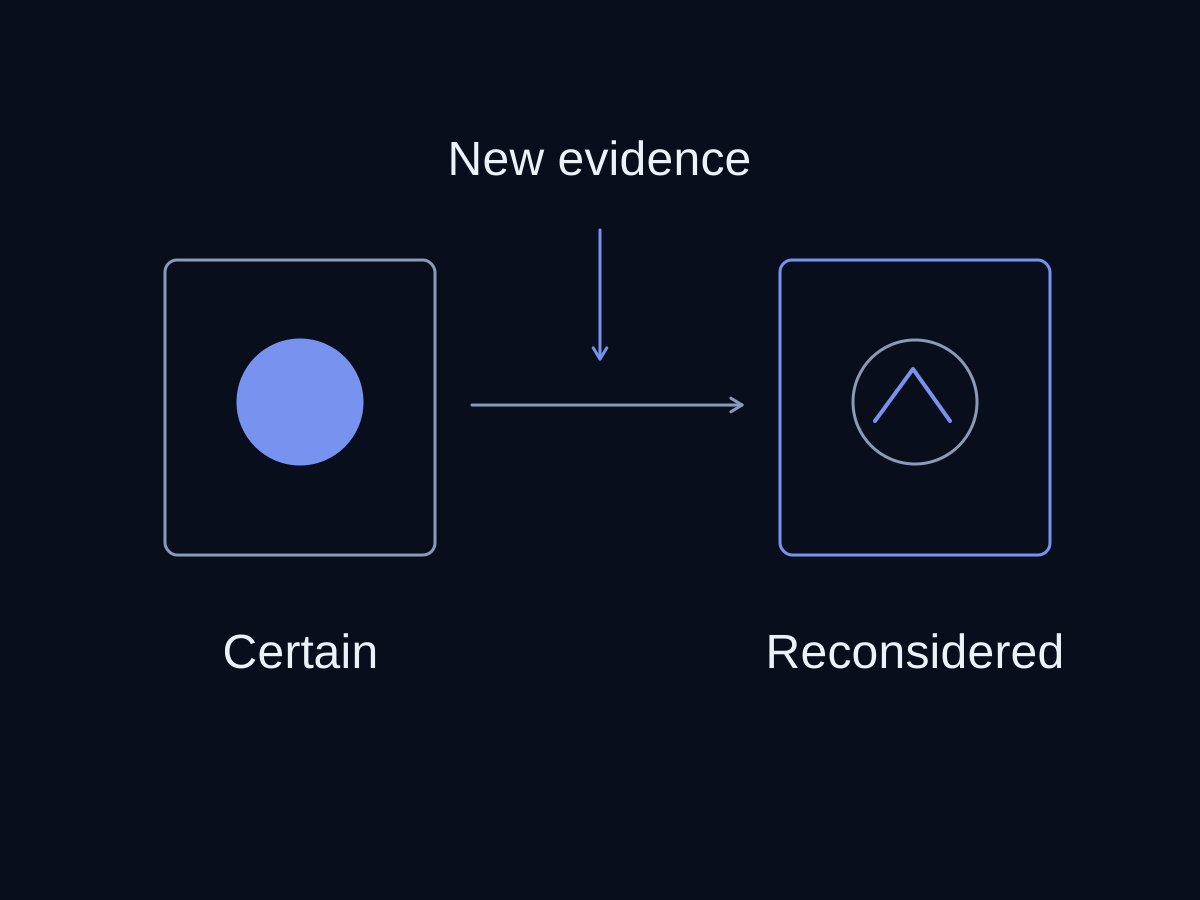
Being wrong
Before discovering that you were wrong, you believed you were right.
Collected note
Original handwriting ↗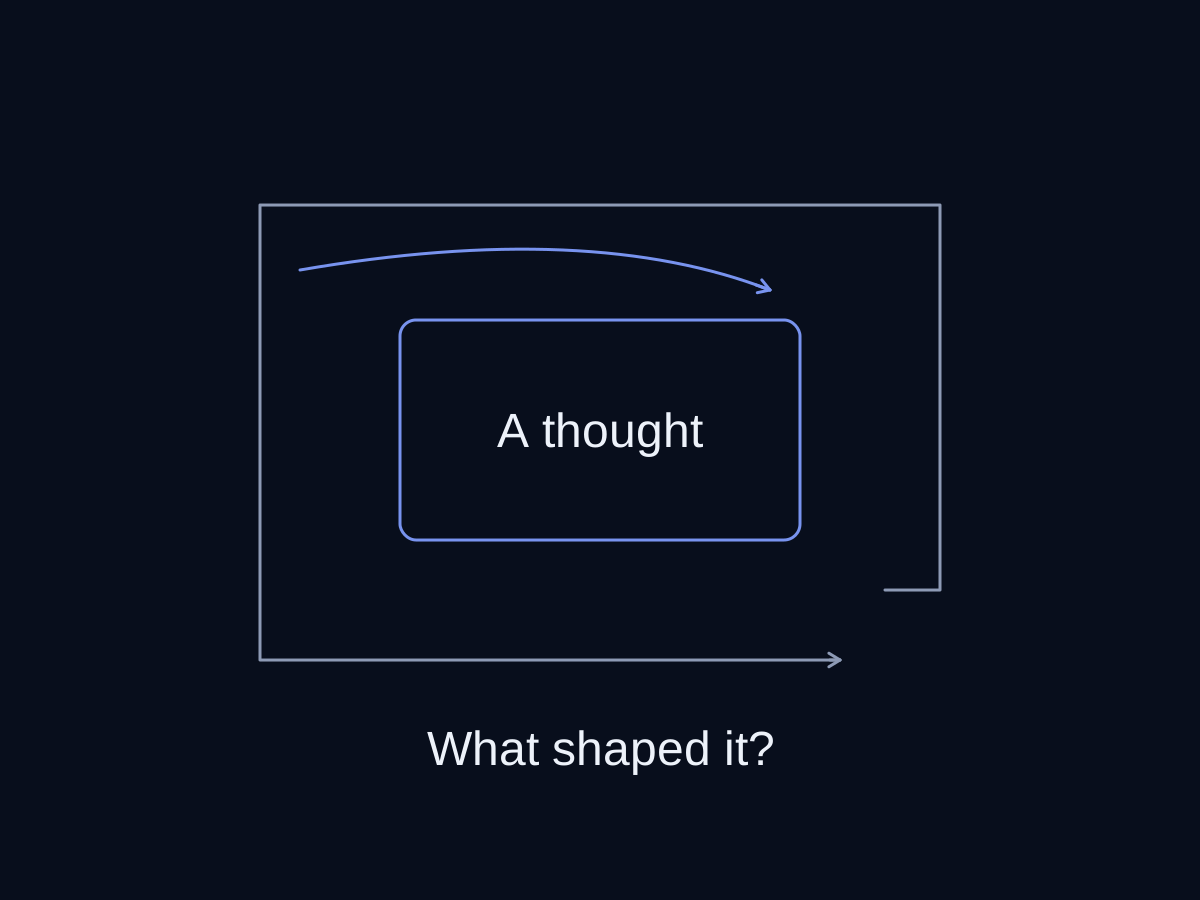
Thinking about thinking
Think about what makes you think.
Collected note
Original handwriting ↗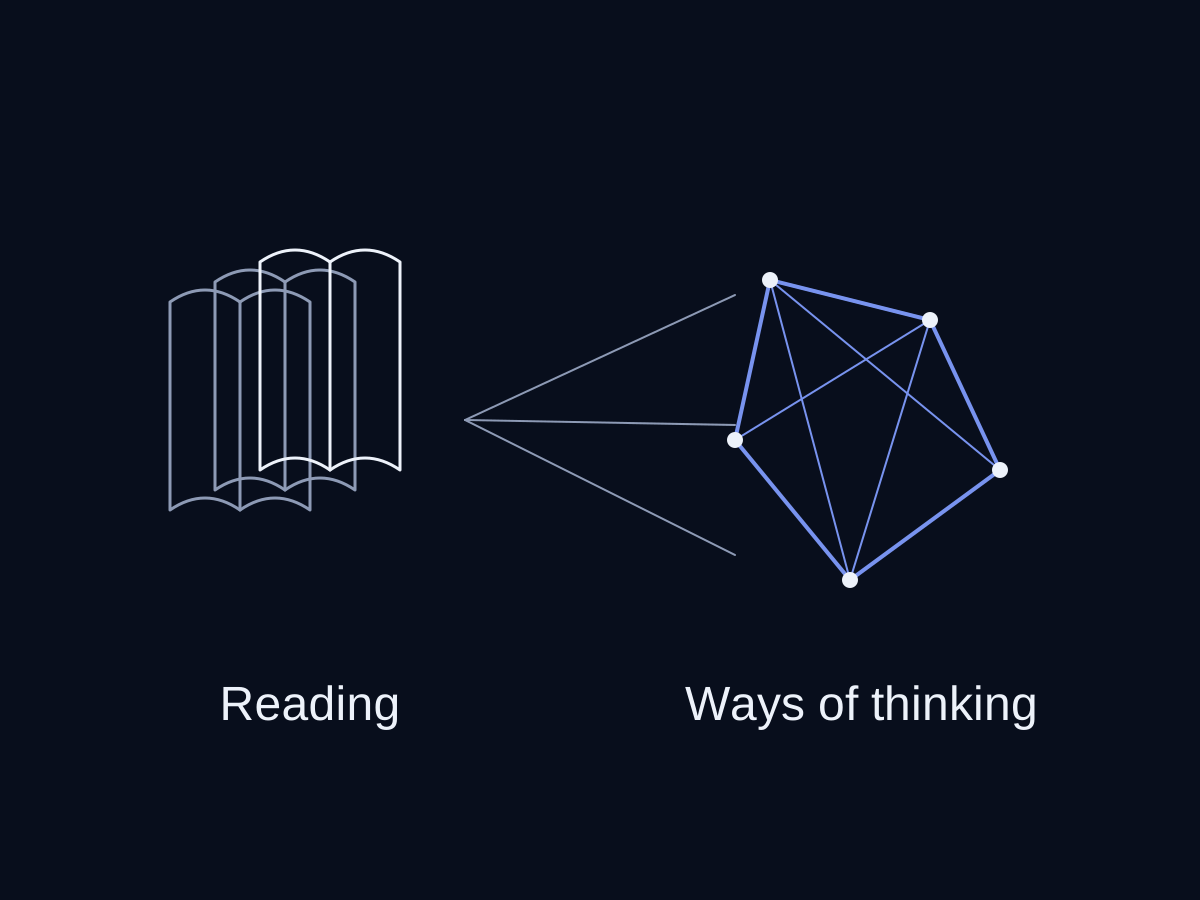
Books and the reader
When someone has an unusual intellect, find out what they read.
After Ralph Waldo Emerson, Quotation and Originality
Original handwriting ↗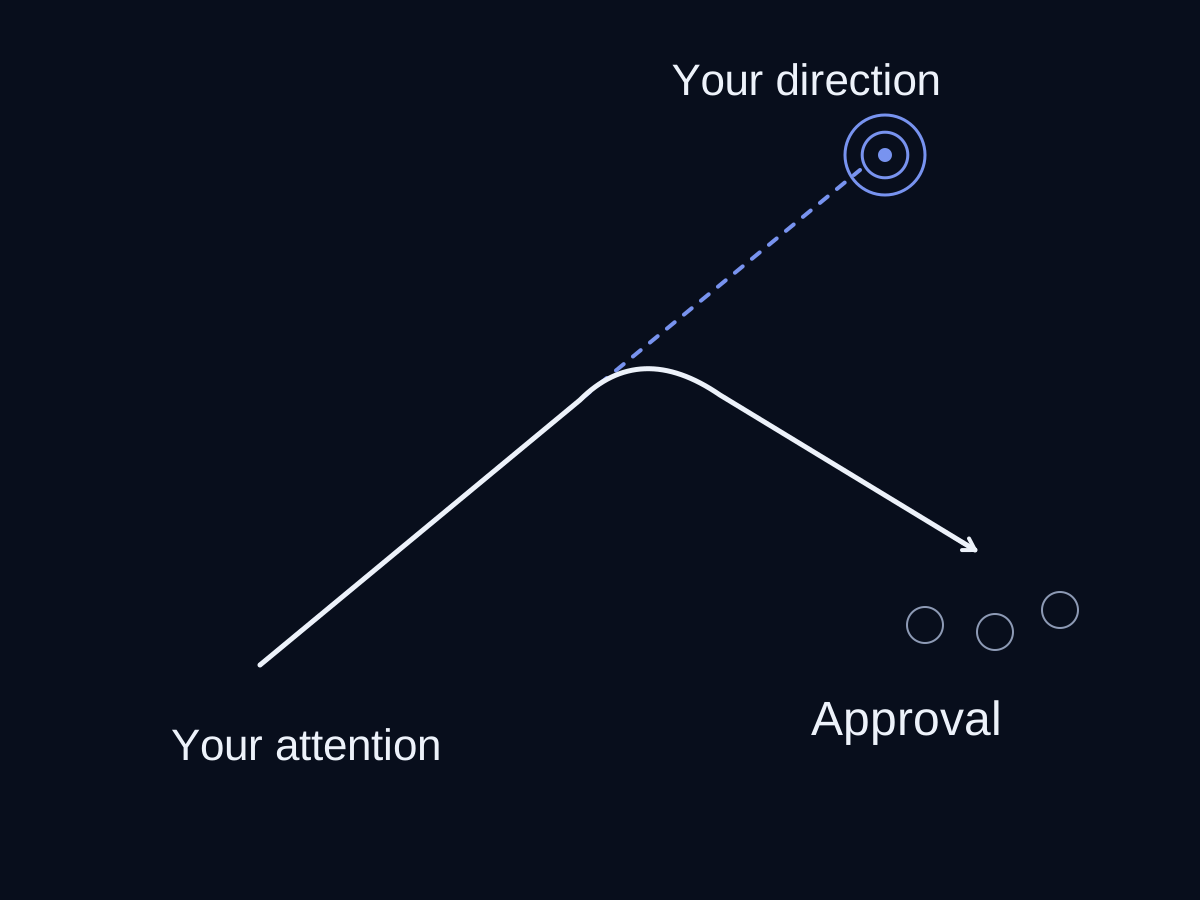
Seeking validation
Your search for validation can divert you from discerning what is uniquely yours.
Collected note
Original handwriting ↗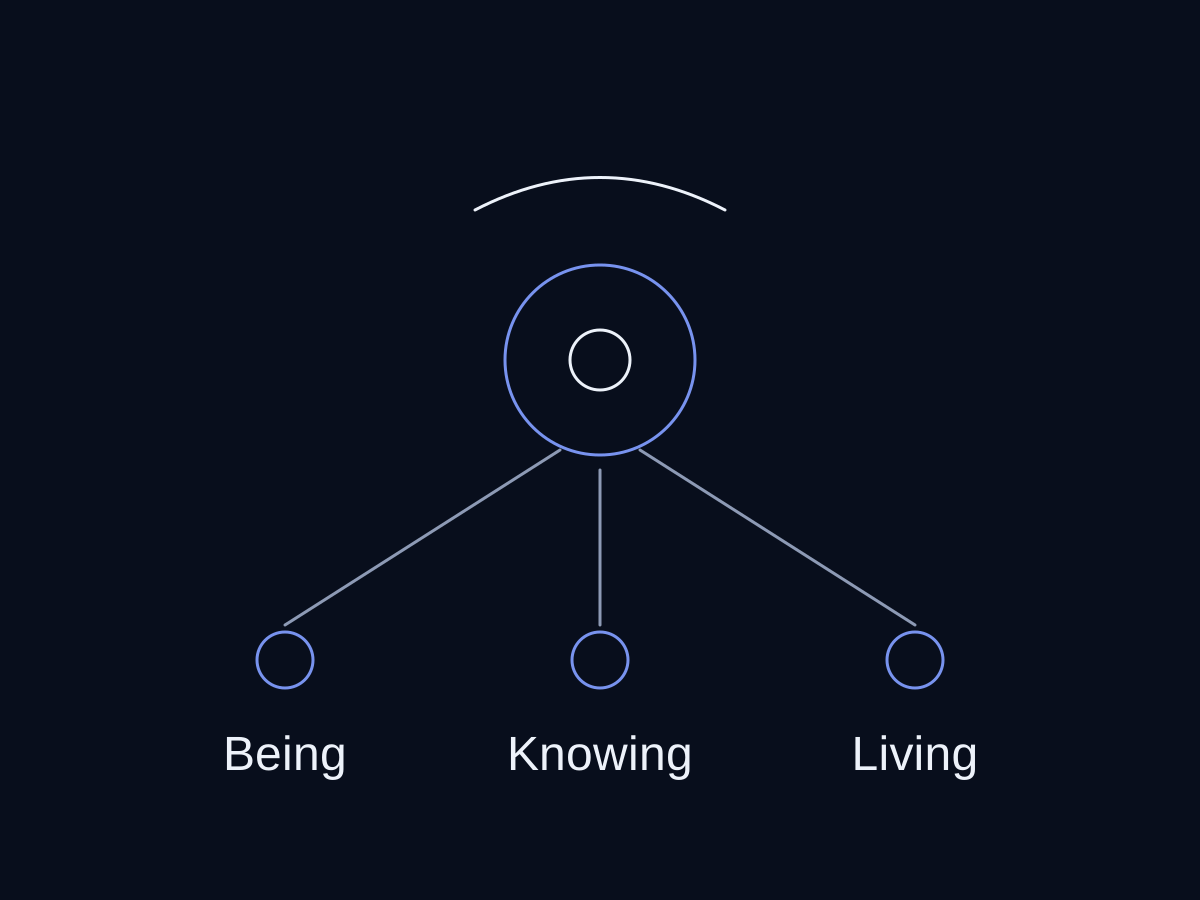
Philosophy
The rational investigation of truths and principles of being, knowledge and conduct.
Collected note
Original handwriting ↗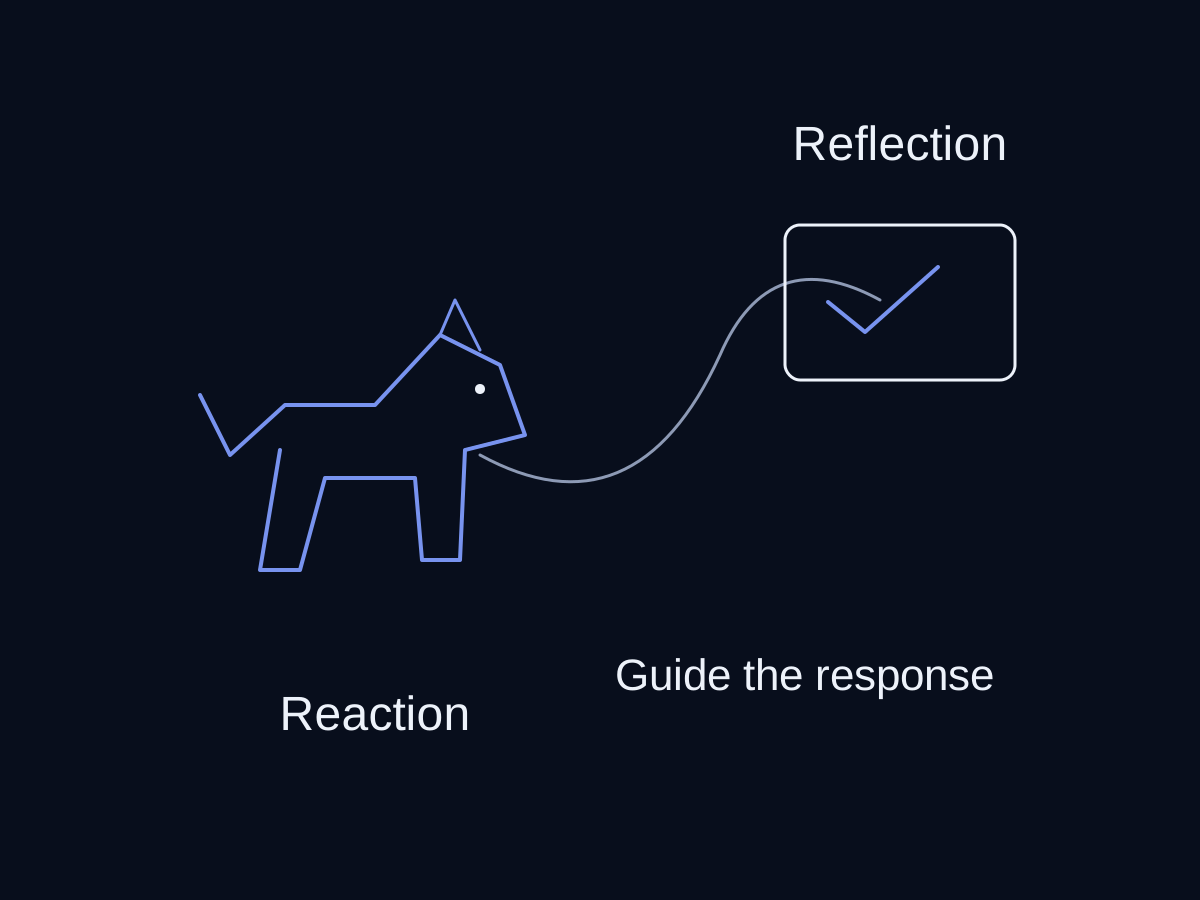
Train the dog
I have a “Rottweiler dog” in my mind. Before it can play, it will assess you and pick up the smallest discrepancy.
I also have an “inspector” who inspects and corrects the dog.
Dog = mind.
Inspector = intellect, the dog trainer.
Collected note
The dog and trainer are a metaphor for reactions and reflection.
Original handwriting ↗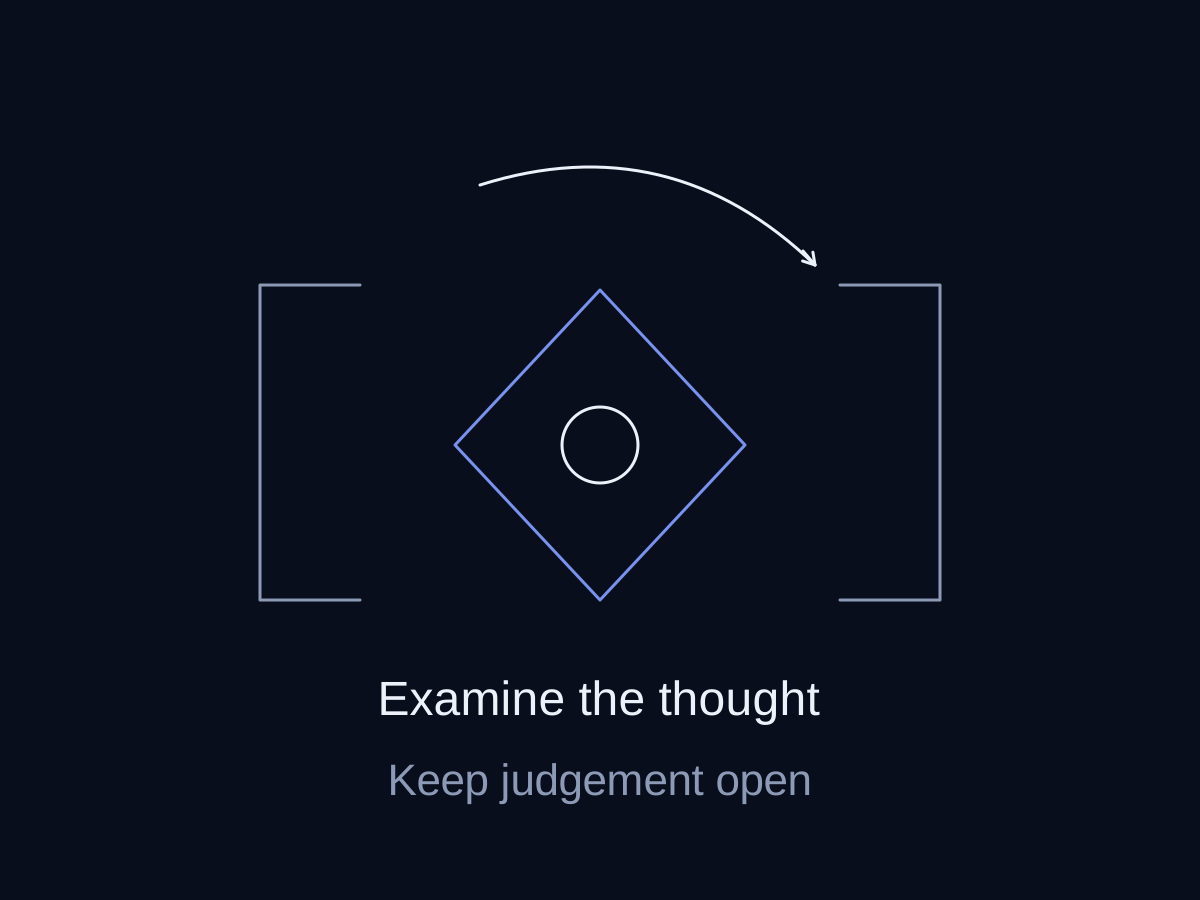
Entertain a thought
Examine a thought while keeping your judgement open. Treat what you read as something to consider and test.
Collected note; original Aristotle attribution unverified
Original handwriting ↗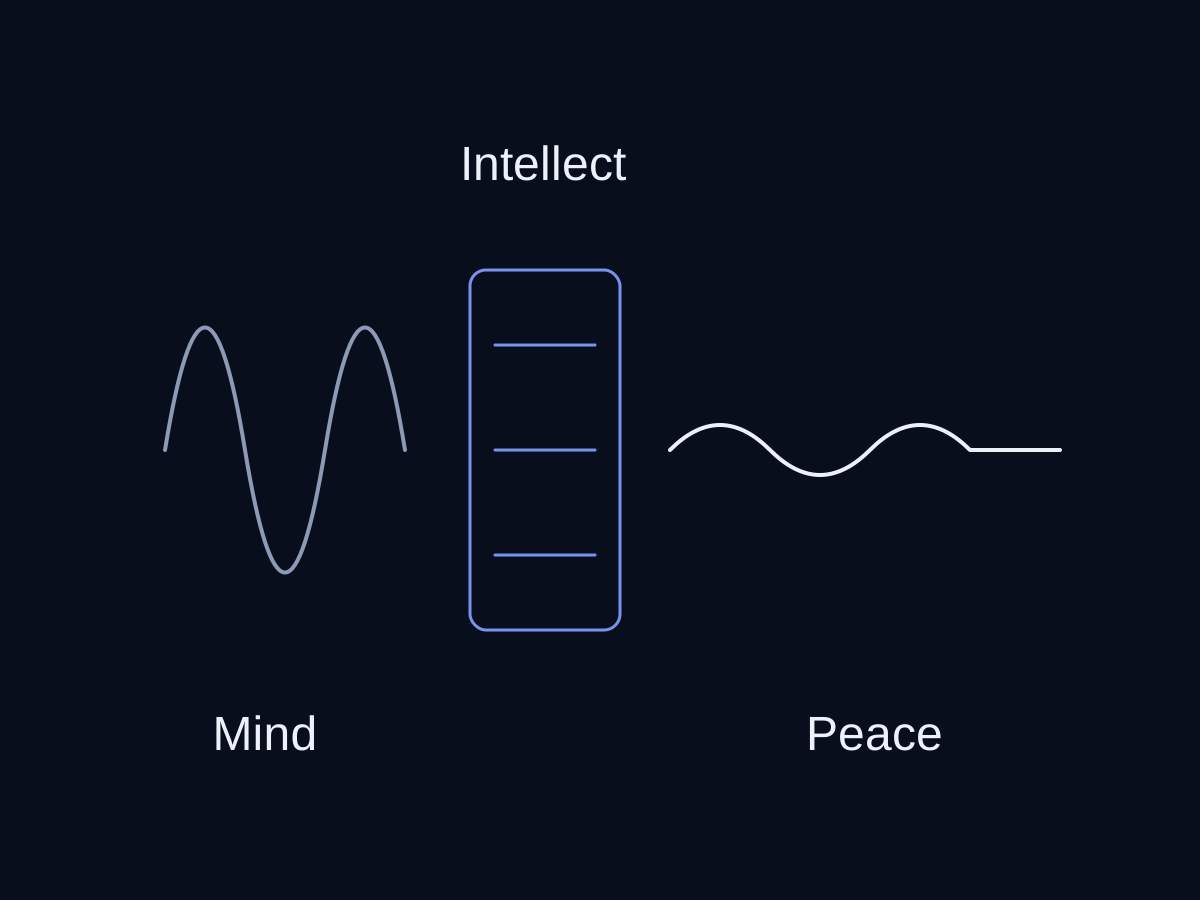
Mind and intellect
My level of peace depends on how much my mind is controlled by my intellect.
Collected note
A philosophical view of mind and intellect.
Original handwriting ↗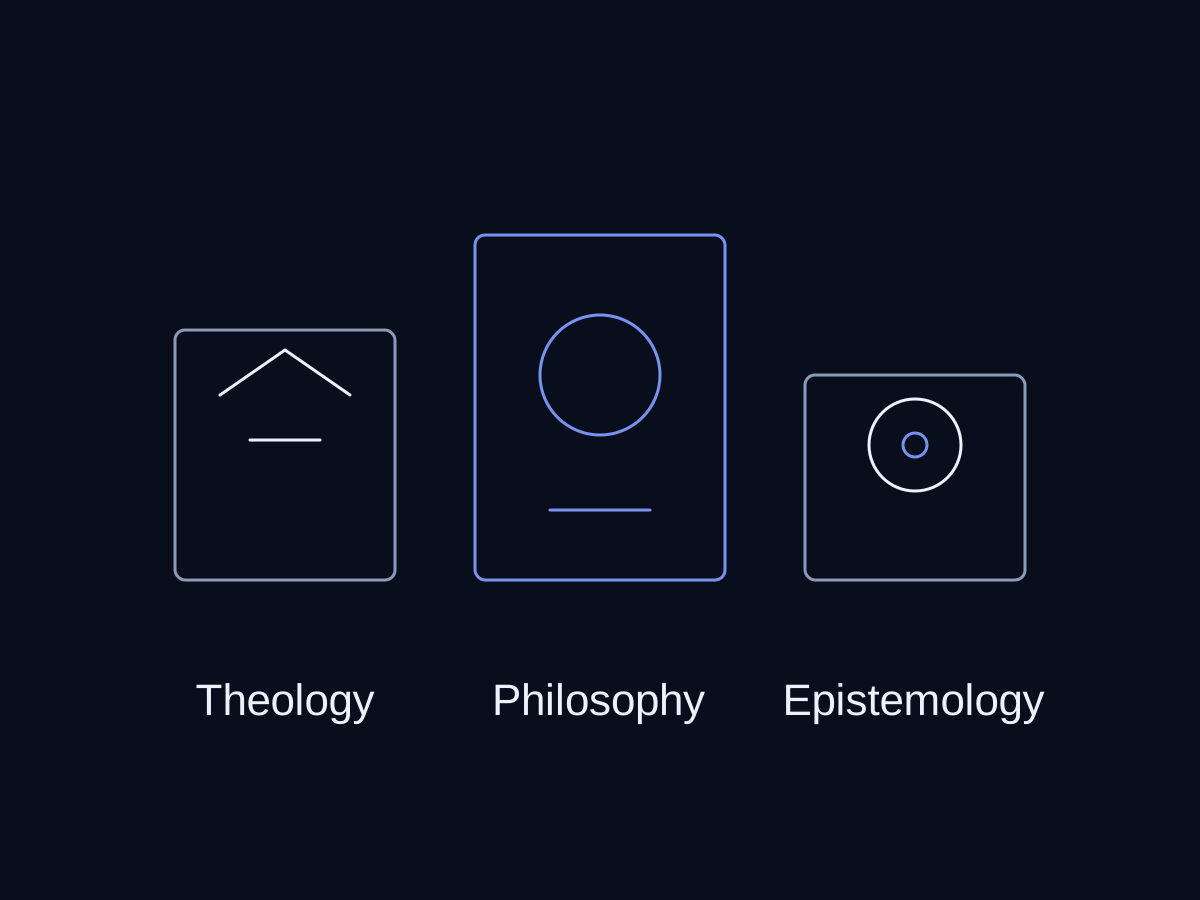
Names for fields of knowledge
Theology studies God and religious belief. Philosophy examines fundamental questions about knowledge, reality and how to live. Epistemology studies knowledge. The Greek word sophia means wisdom.
Collected note
The Greek word sophia means wisdom. The edited reading corrects the handwritten gloss.
Original handwriting ↗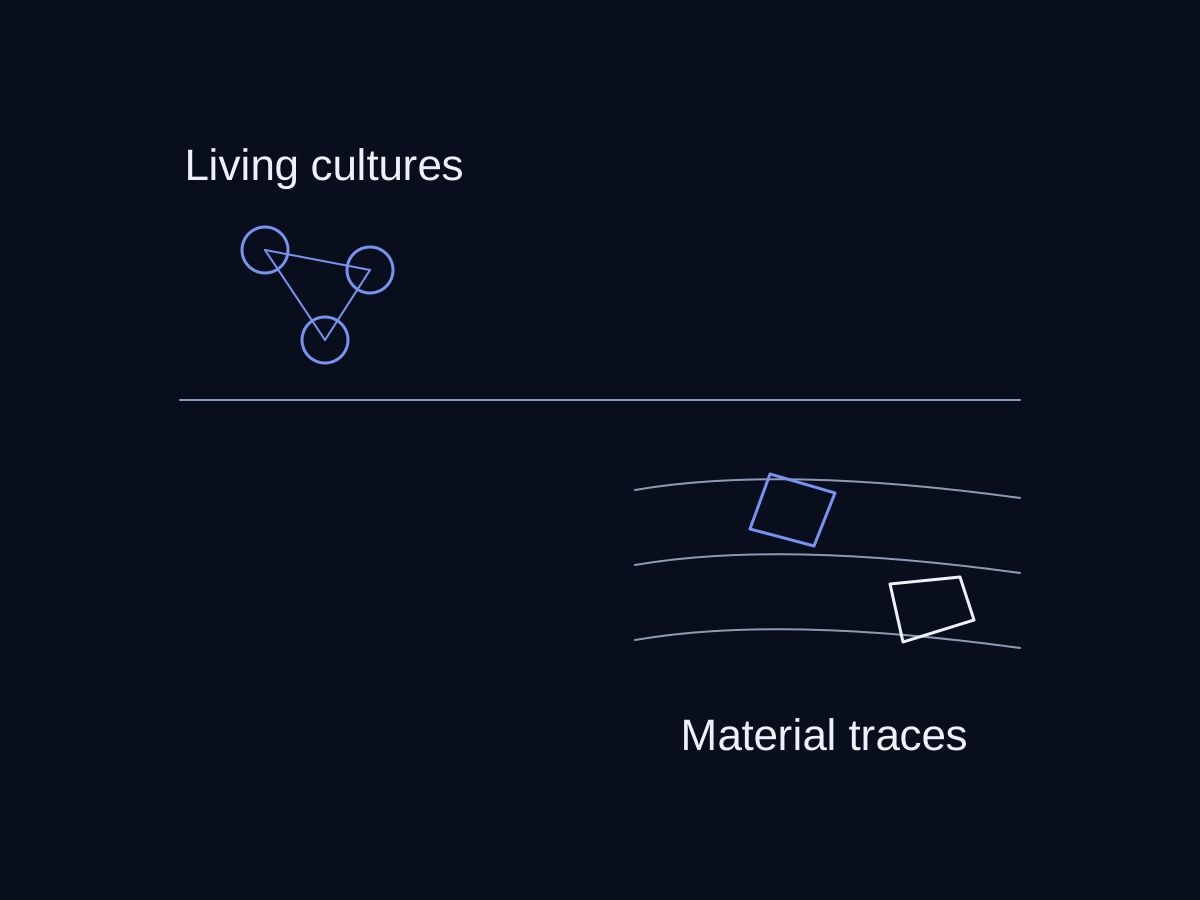
Anthropology and archaeology
Anthropology studies human beings, societies and cultures. Archaeology studies the human past through material remains.
Collected note
Original handwriting ↗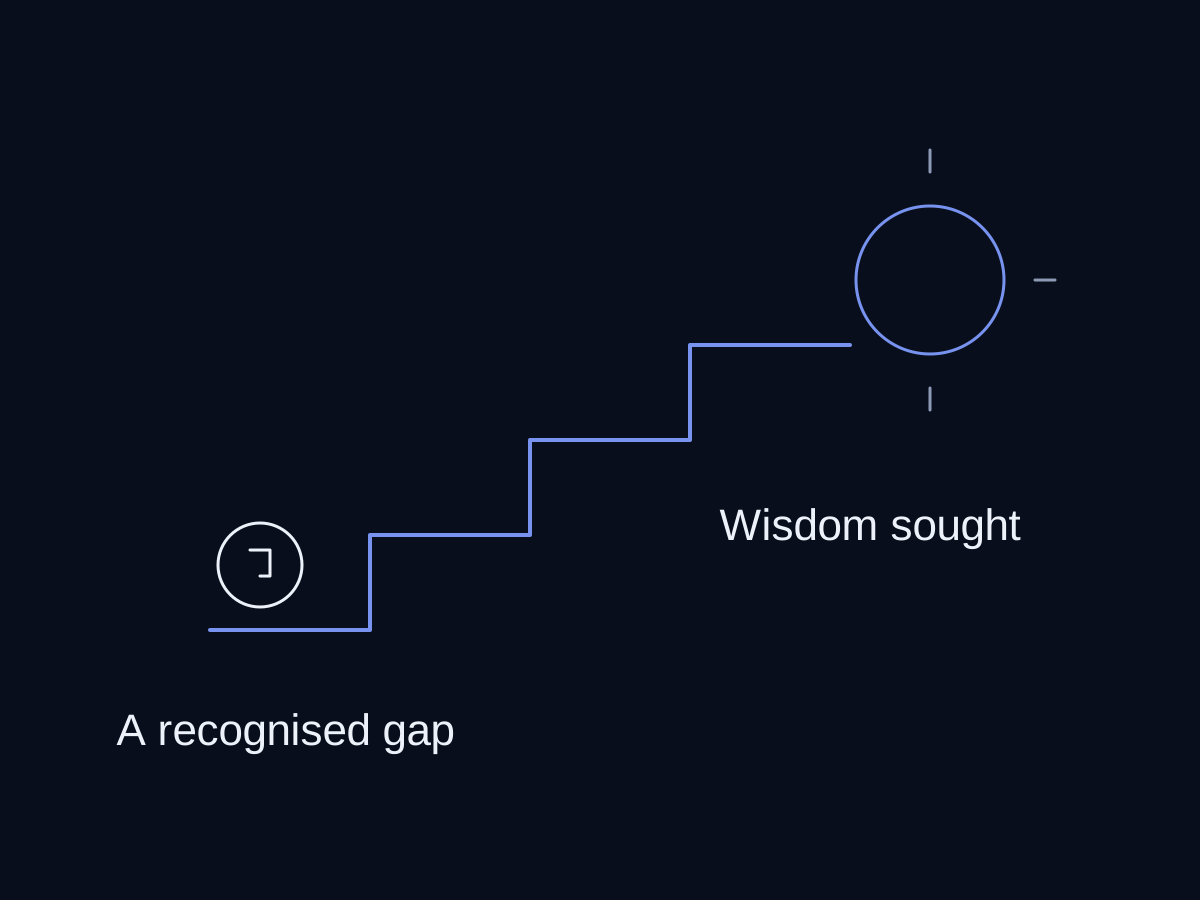
The philosopher and the sage
In Plato's Symposium, Diotima presents the philosopher as someone who recognises a lack of wisdom and therefore seeks it.
After Plato, Symposium 204a-b; Diotima through Socrates
Original handwriting ↗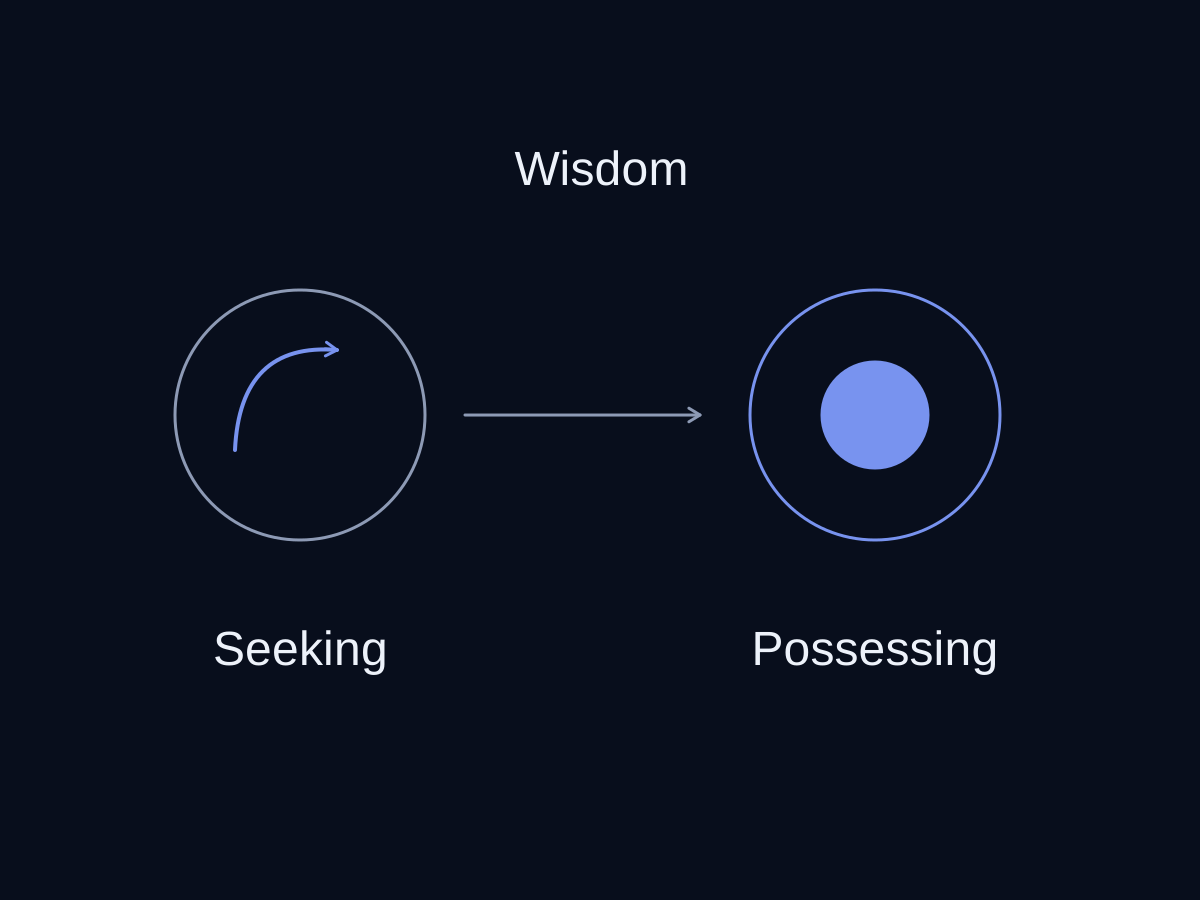
What the philosopher seeks
The philosopher seeks wisdom. In the card's contrast, the sage already possesses it.
After Plato, Symposium 204a-b
Original handwriting ↗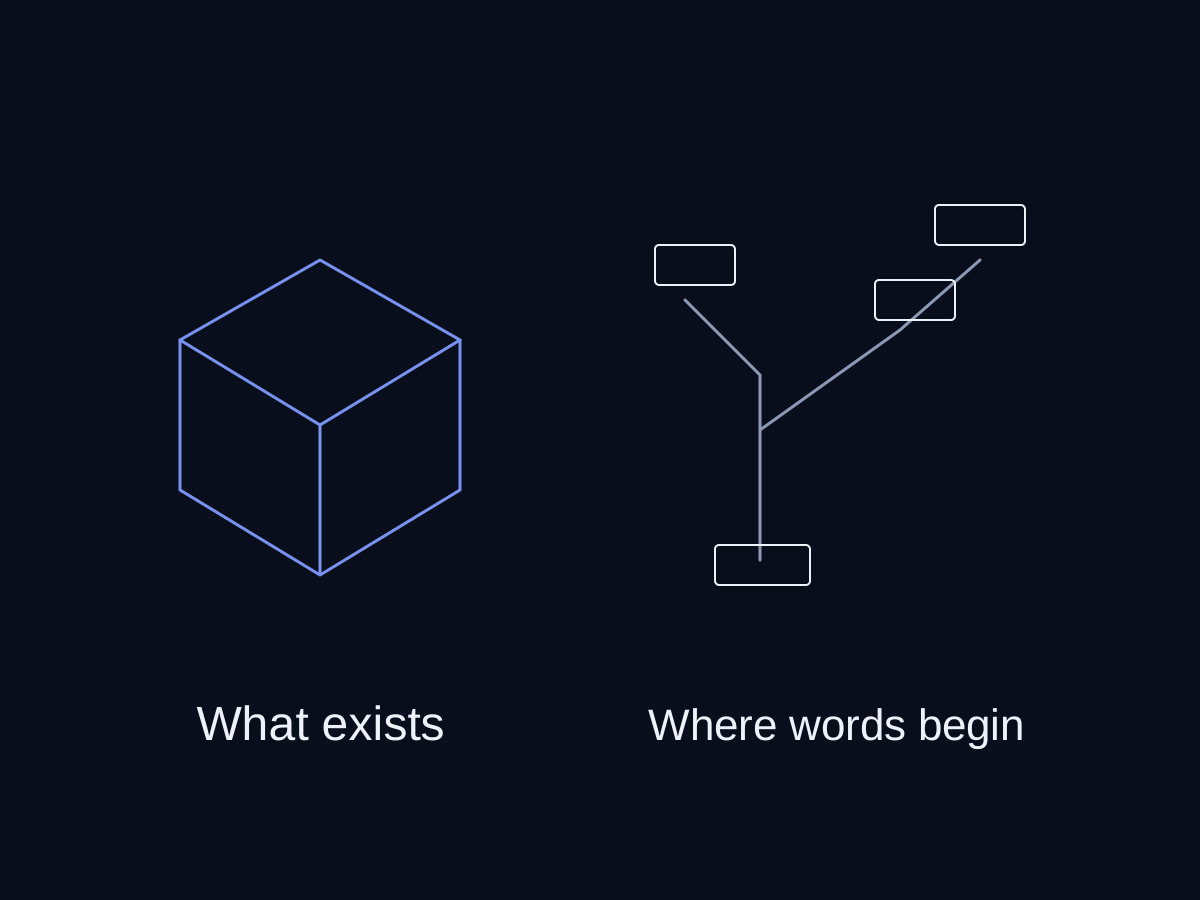
Being and the origins of words
Ontology studies being and existence. Etymology studies word origins and how their meanings develop.
Collected note
Original handwriting ↗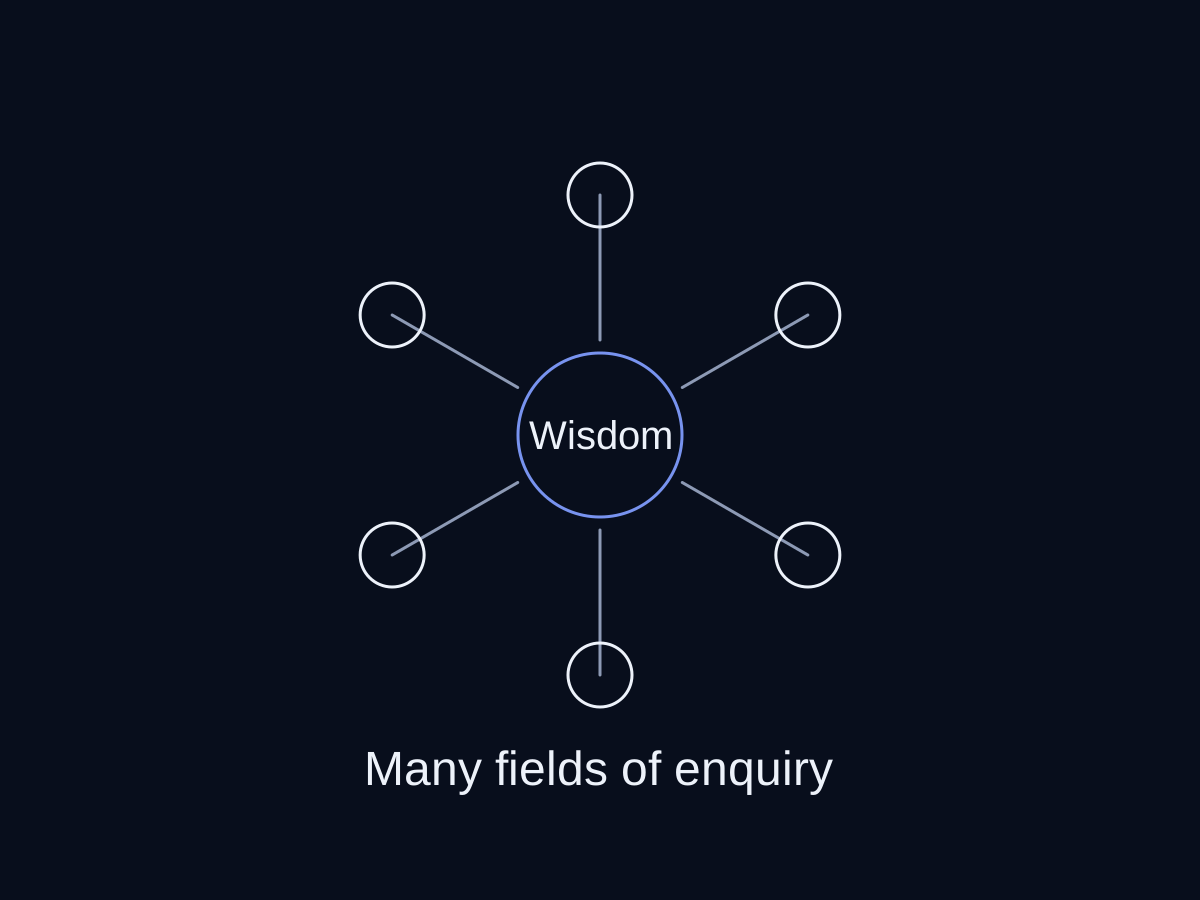
Philosophy and its subjects
Philosophy means love of wisdom. Its subjects include aesthetics, knowledge, logic, metaphysics, social theory and political philosophy.
Collected note
Original handwriting ↗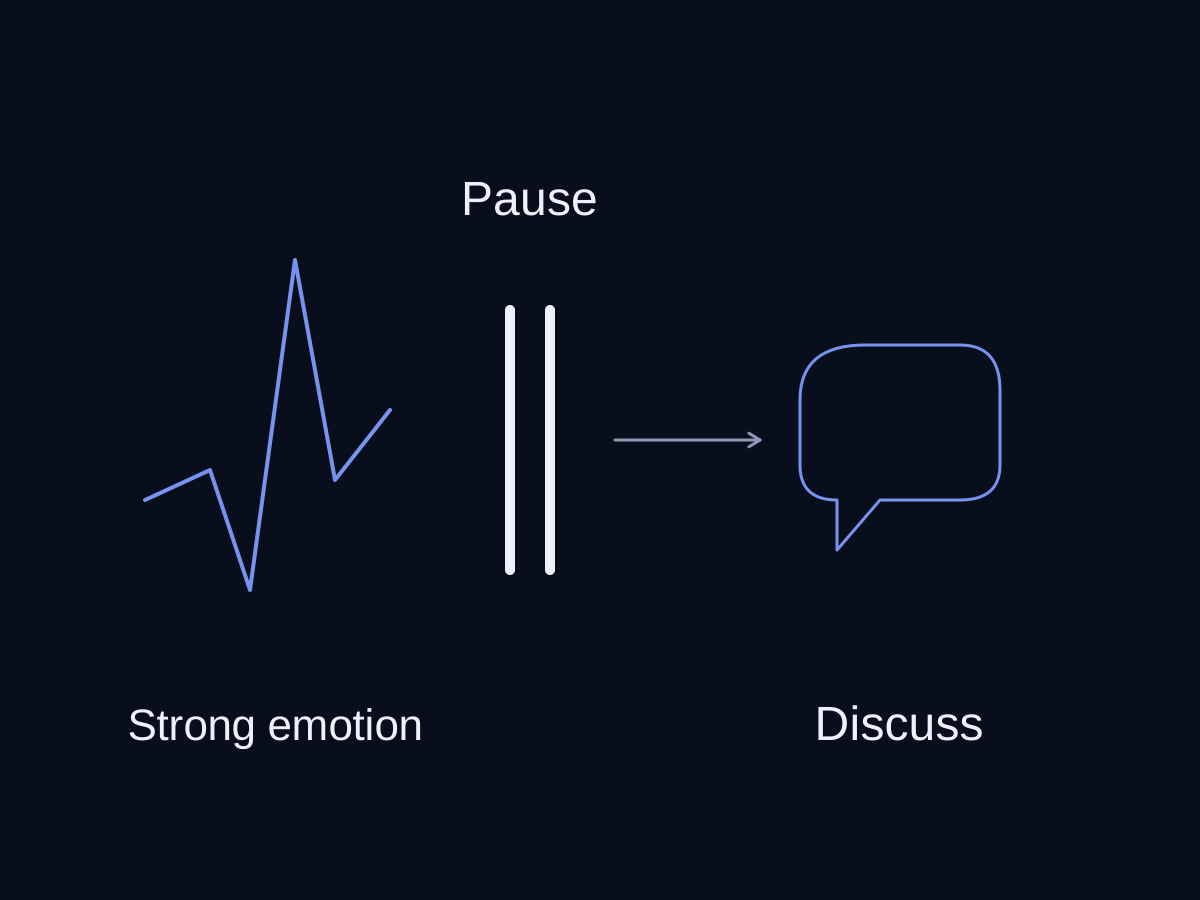
Emotion and intellect
When emotion is strong, give your judgement time to work. Encourage doubt. Invite discussion.
Collected note
Original handwriting ↗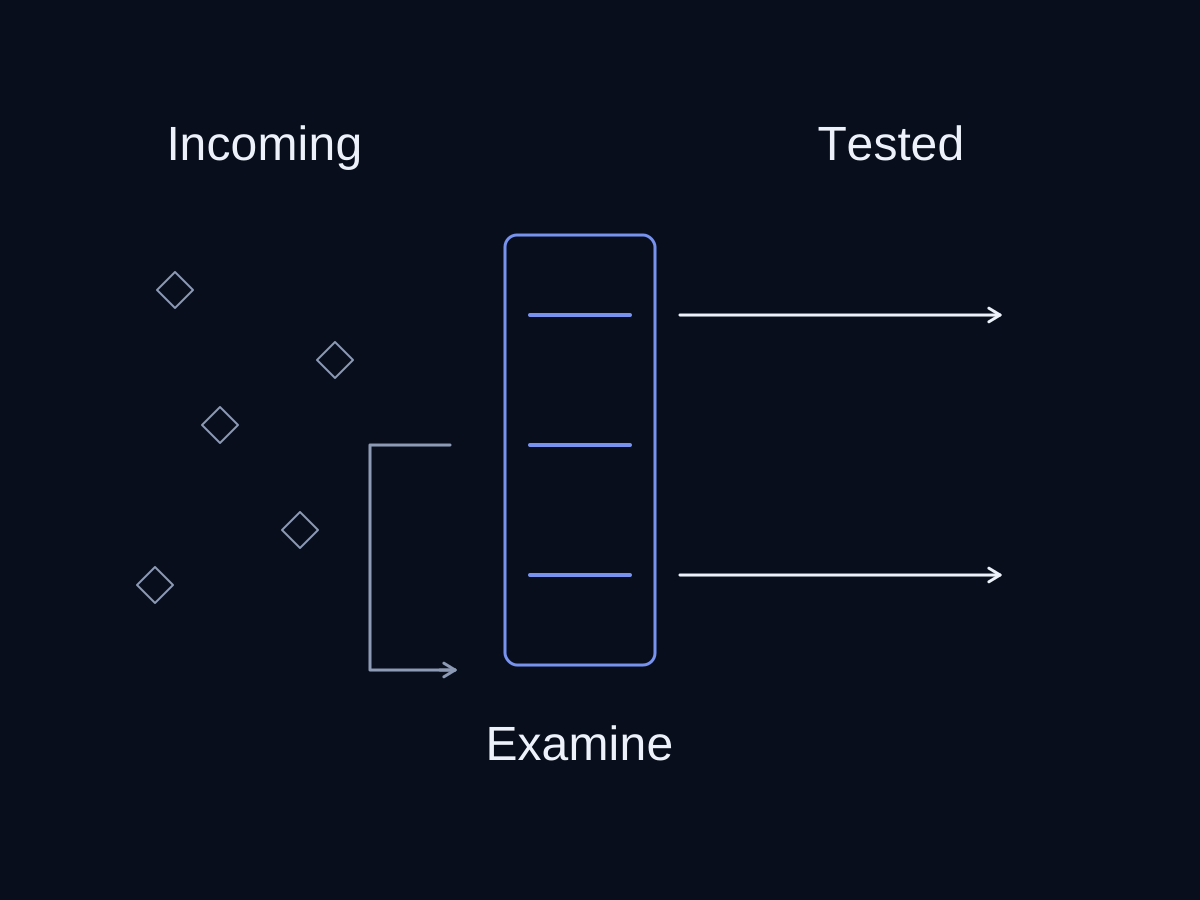
Intellect as a firewall
The intellect can unpack, validate, test and analyse incoming information. The card compares it to a computer firewall, and old patterns to code that can be examined and revised.
Collected note
The computing language is an analogy. The source scan clips part of the handwriting at the left edge.
Original handwriting ↗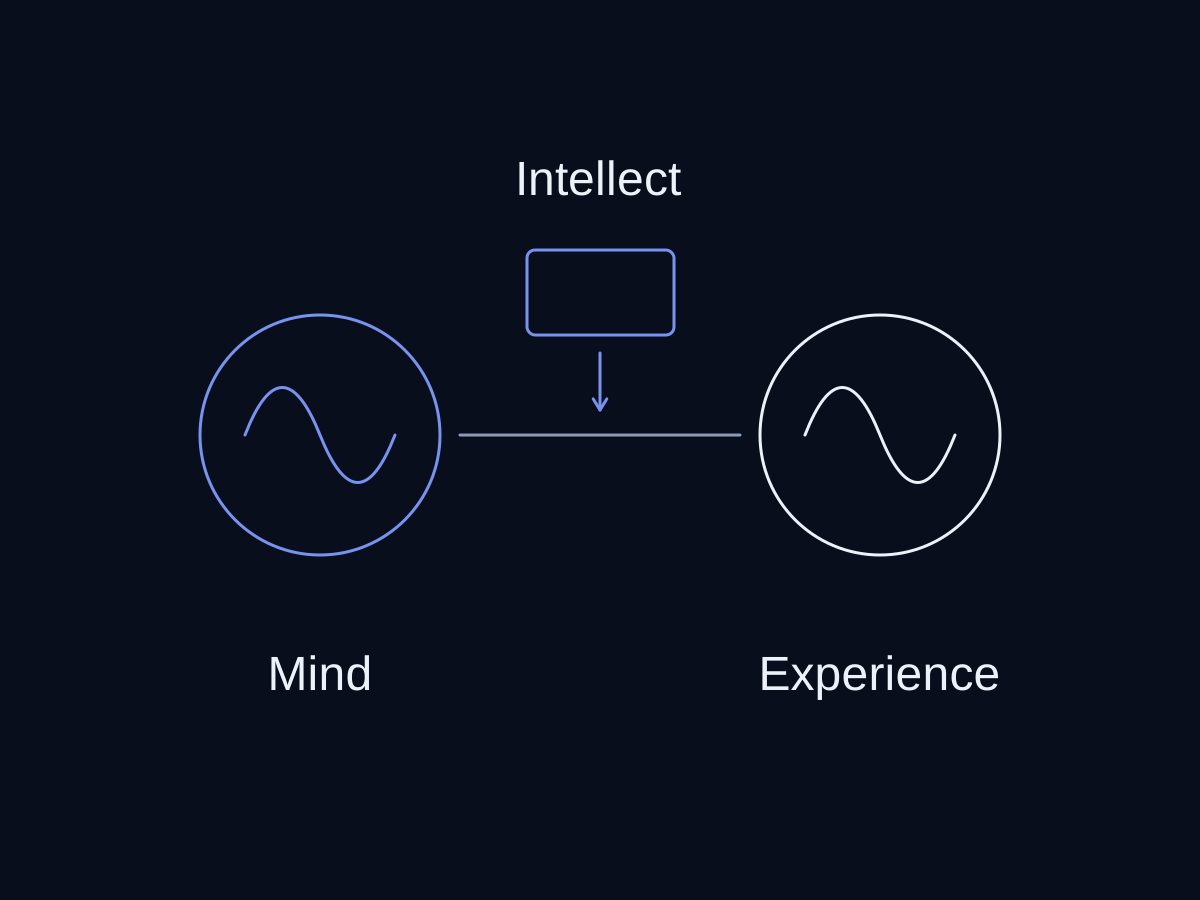
As the mind, so the individual
The card links the condition of the mind to the person's experience. It uses the Vedantic terms buddhi for intellect and manas for mind.
Collected note
A Vedantic model used in the notes.
Original handwriting ↗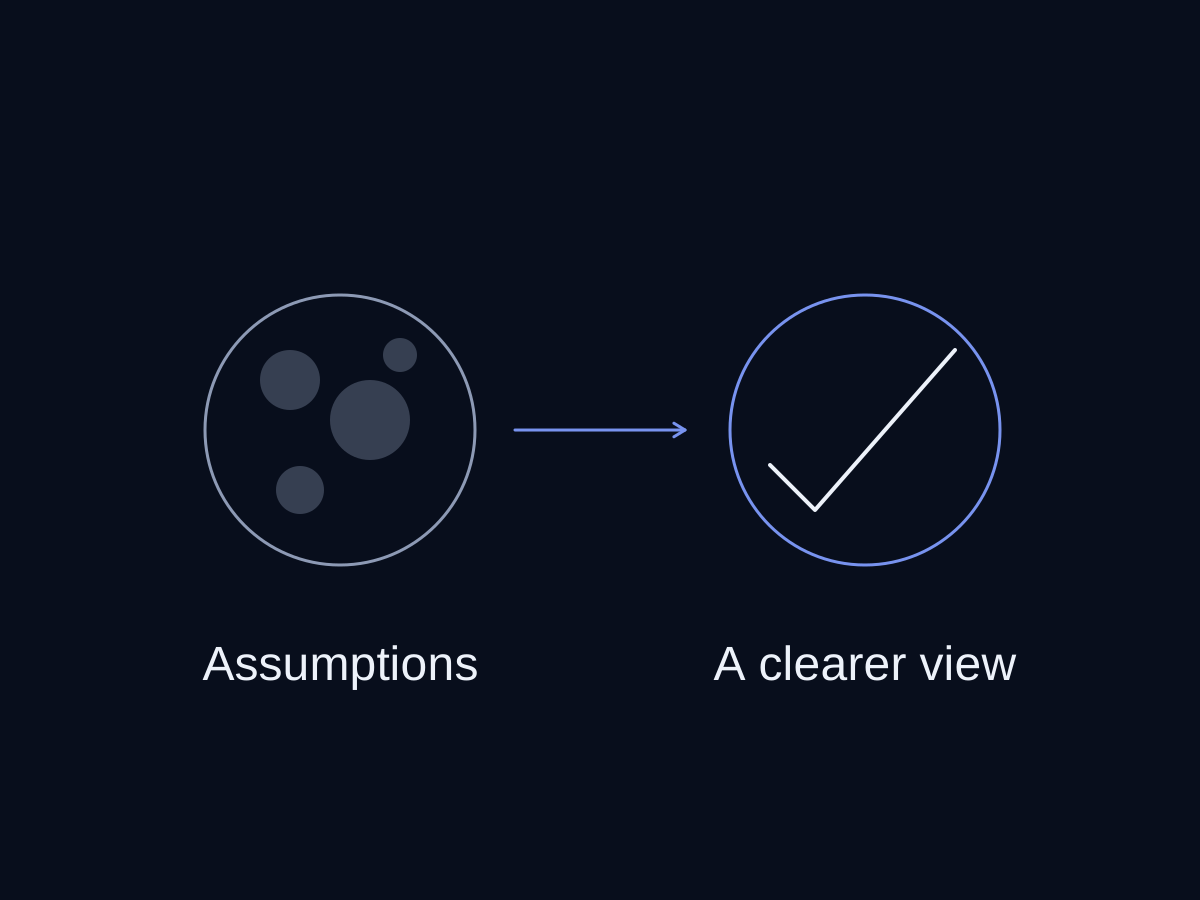
Clean your lens
“Clean your lens.”
Collected note
Original handwriting ↗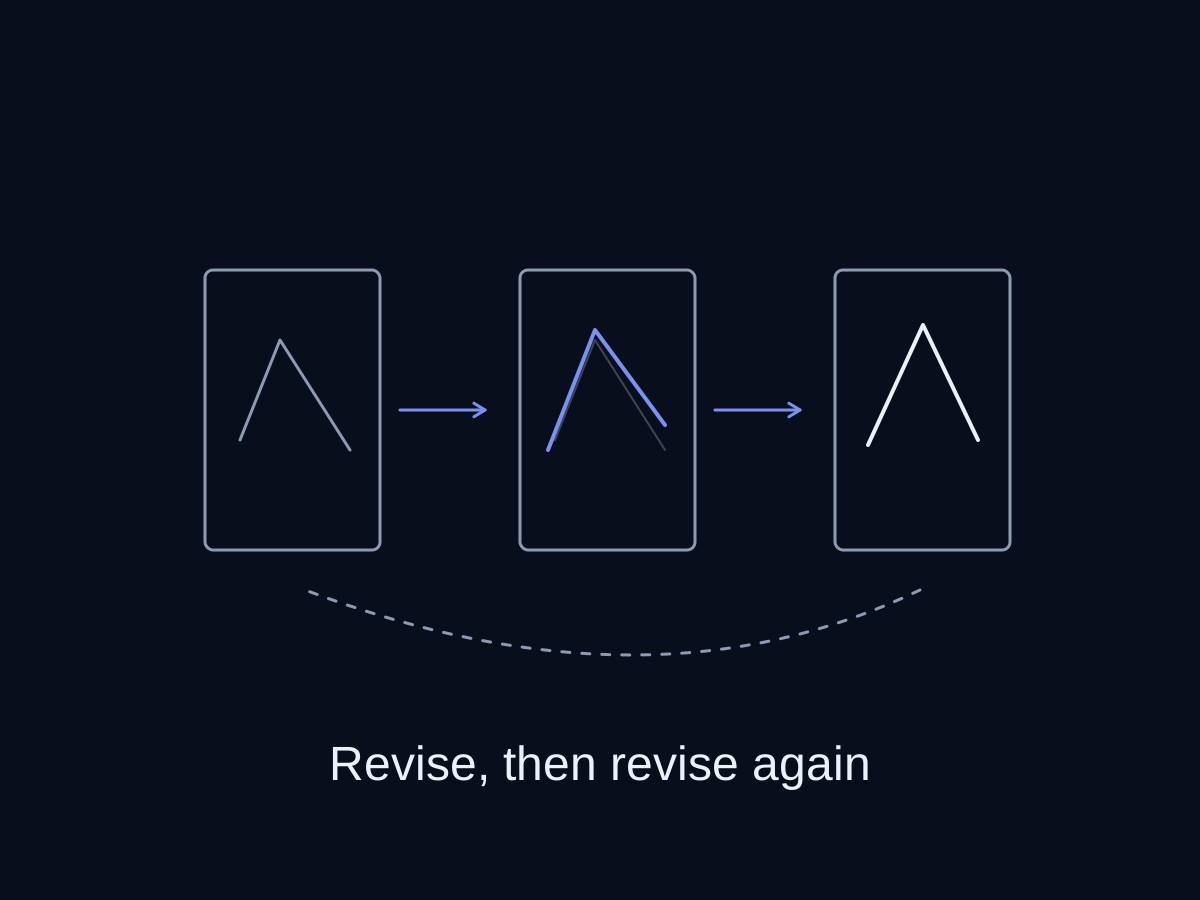
Self-revision
The process of self-revision and self-correction is so common that we don’t even notice.
Reading note after Steven Pressfield, The War of Art
Original handwriting ↗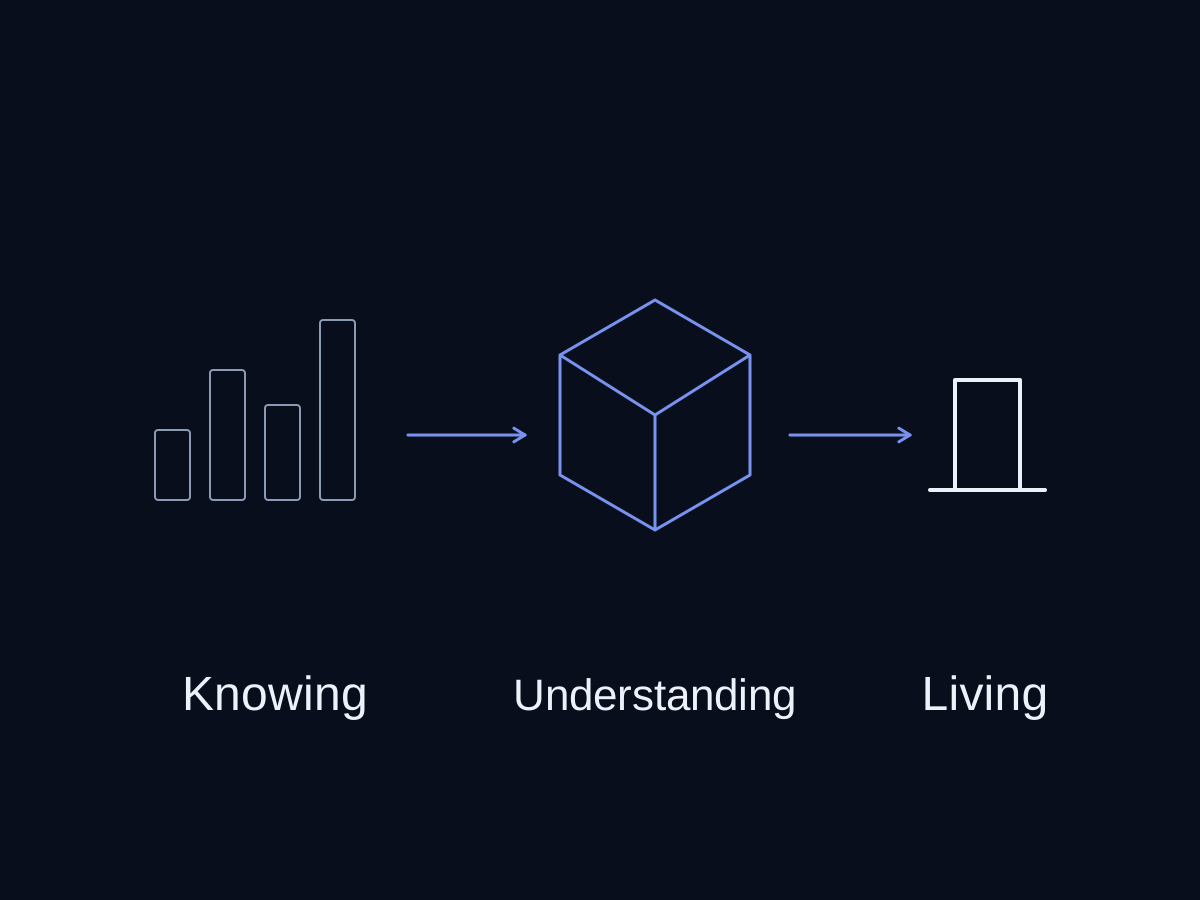
Information and wisdom
Information becomes useful when you understand it and carry it into how you live. The card calls this the move from knowing to owning.
Collected note
The source of the information-and-wisdom saying remains unconfirmed. The knowing-and-owning diagram is preserved as a notebook reflection.
Original handwriting ↗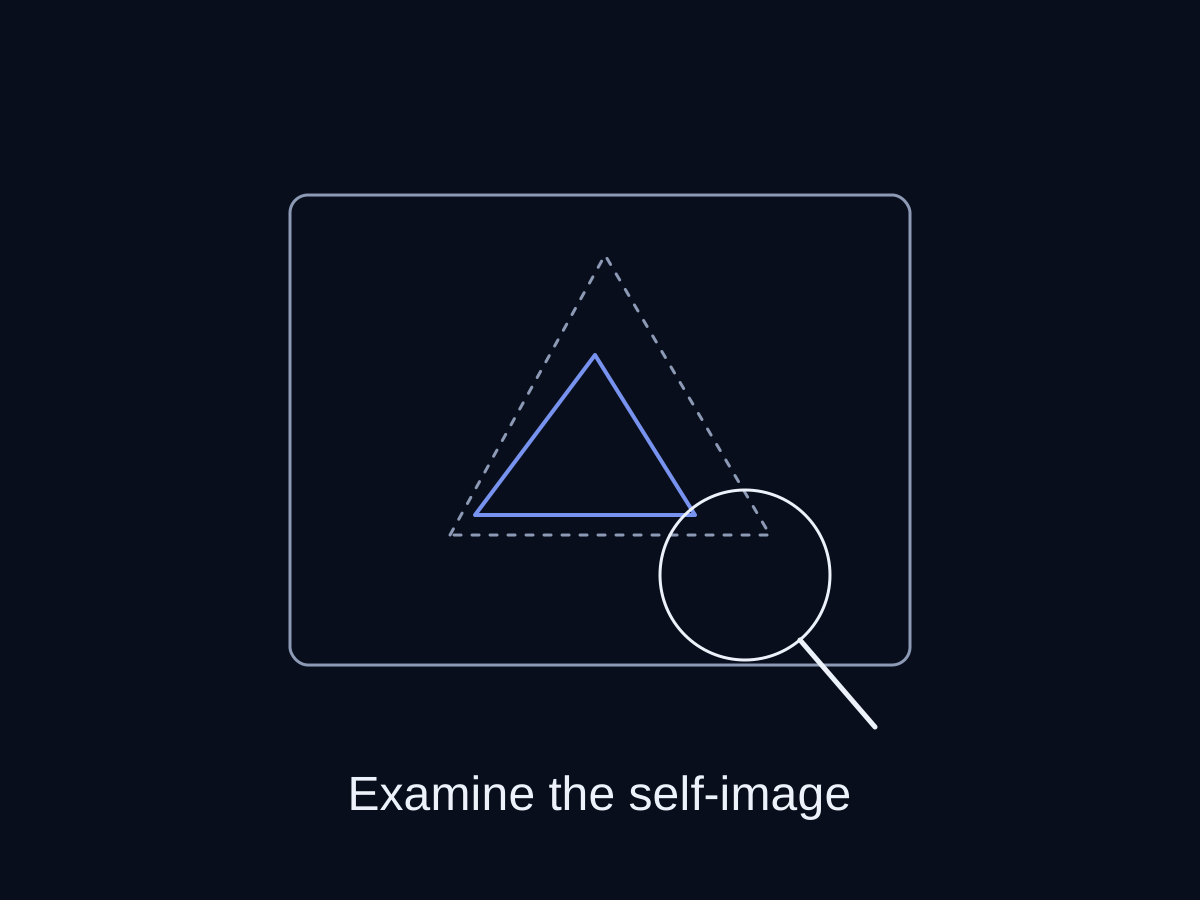
Illusions about myself
Examine the illusions you may hold about yourself.
After Epictetus, Discourses 2.21.9
Original handwriting ↗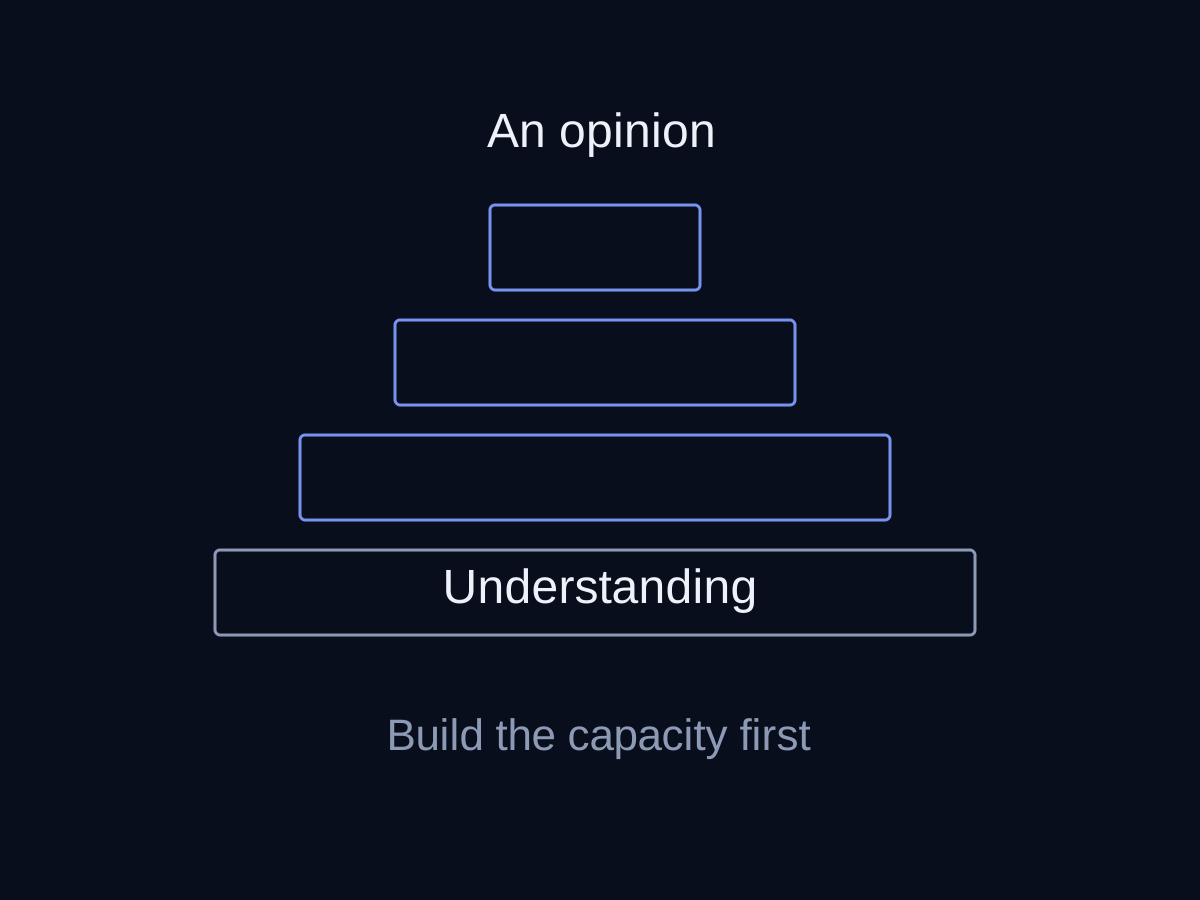
Capacity before opinion
Develop the capacity to understand a subject before settling on an opinion.
Collected note
Original handwriting ↗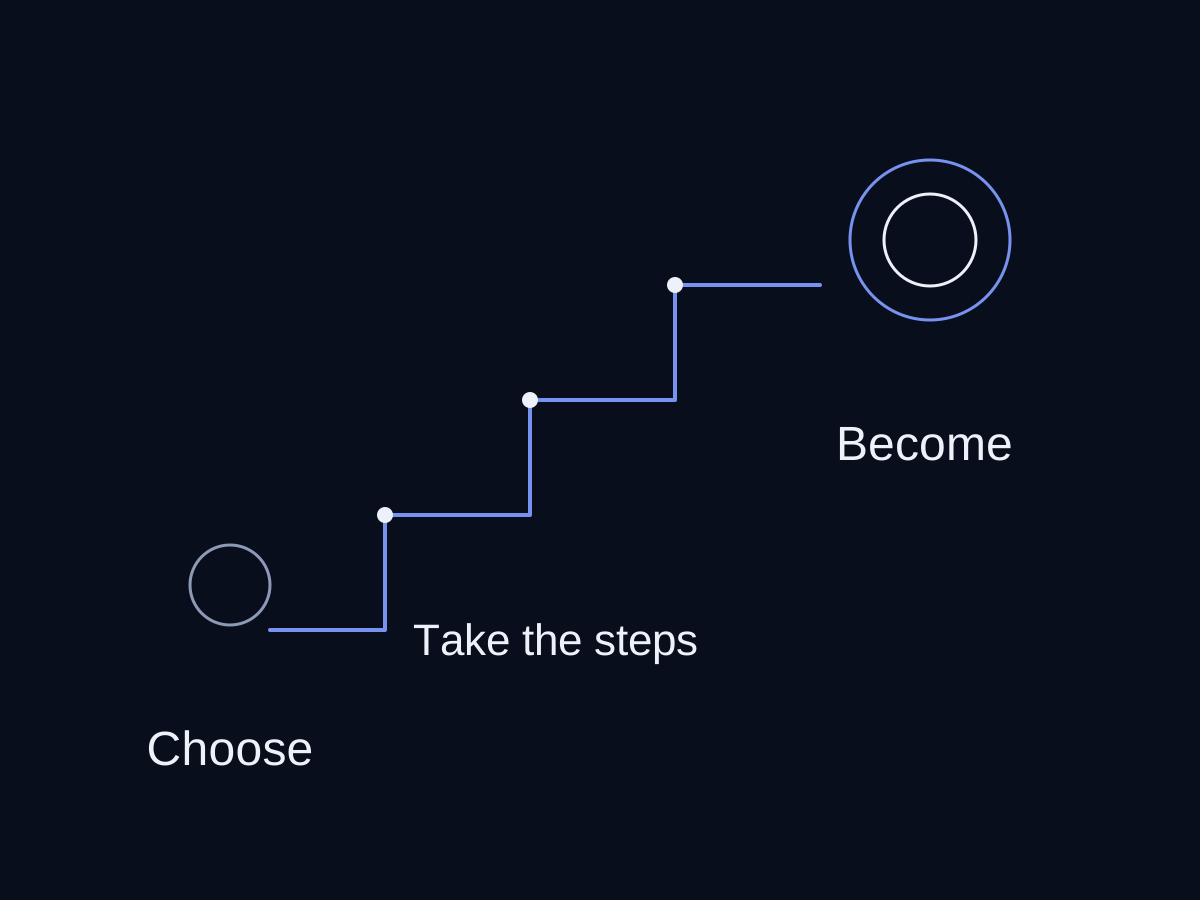
Becoming what you want to be
Why can't you decide what you want to be and take the steps to do what you have to do, to become that which you want to become?
Collected note
Original handwriting ↗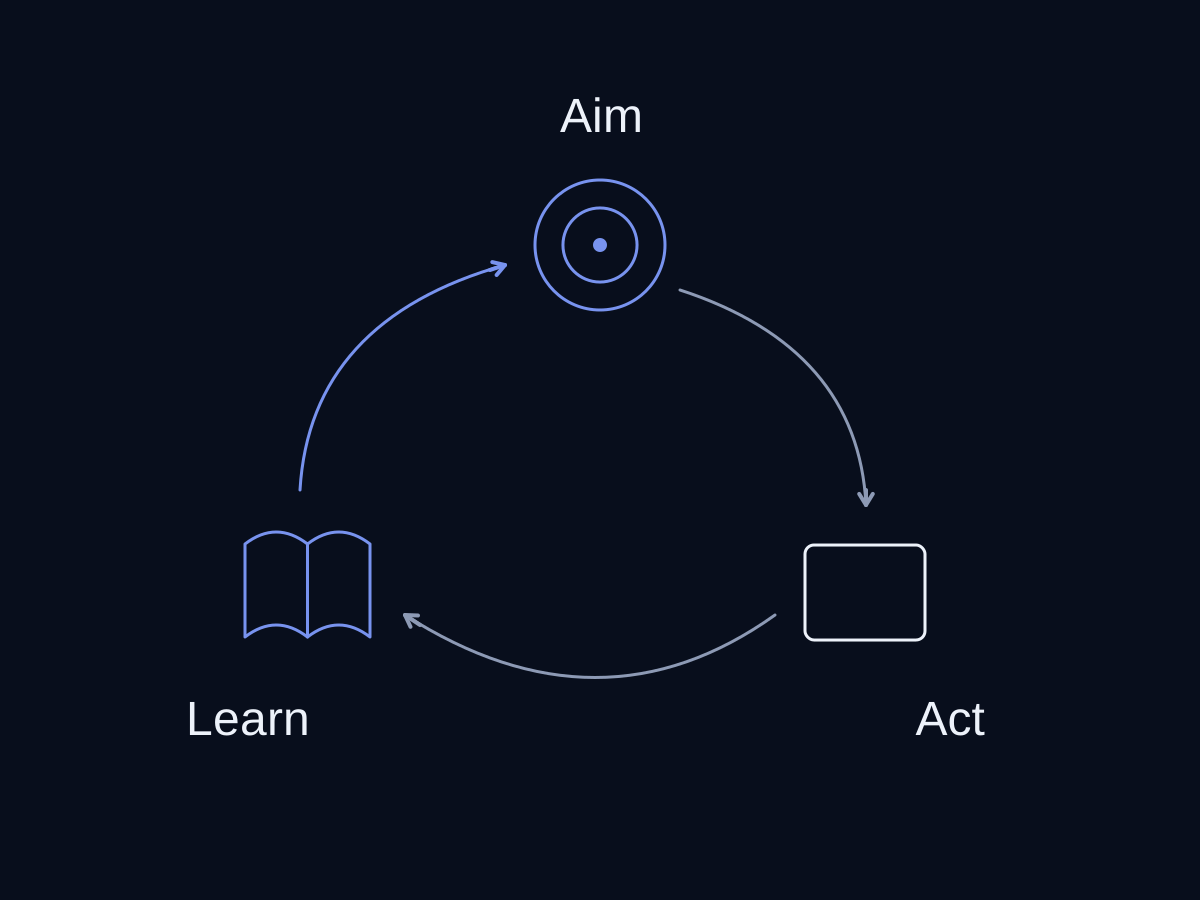
Aim, act and learn
Choose an aim. Find the courage to act. Learn from what happens, then adjust the aim.
Collected note
Original handwriting ↗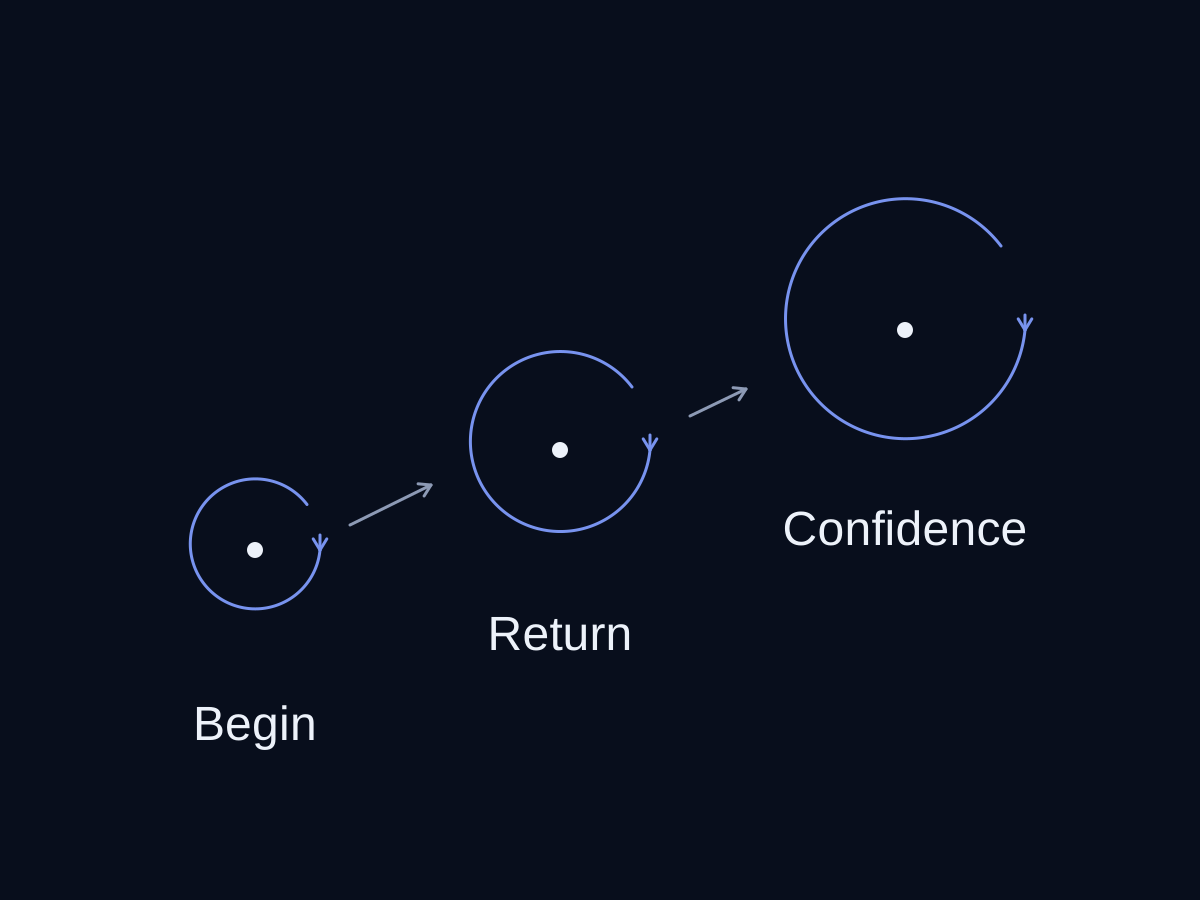
Confidence through action
Confidence can develop through this loop: aim, find courage, act, learn and aim again. Allow room for the awkwardness of beginning.
Collected note
Original handwriting ↗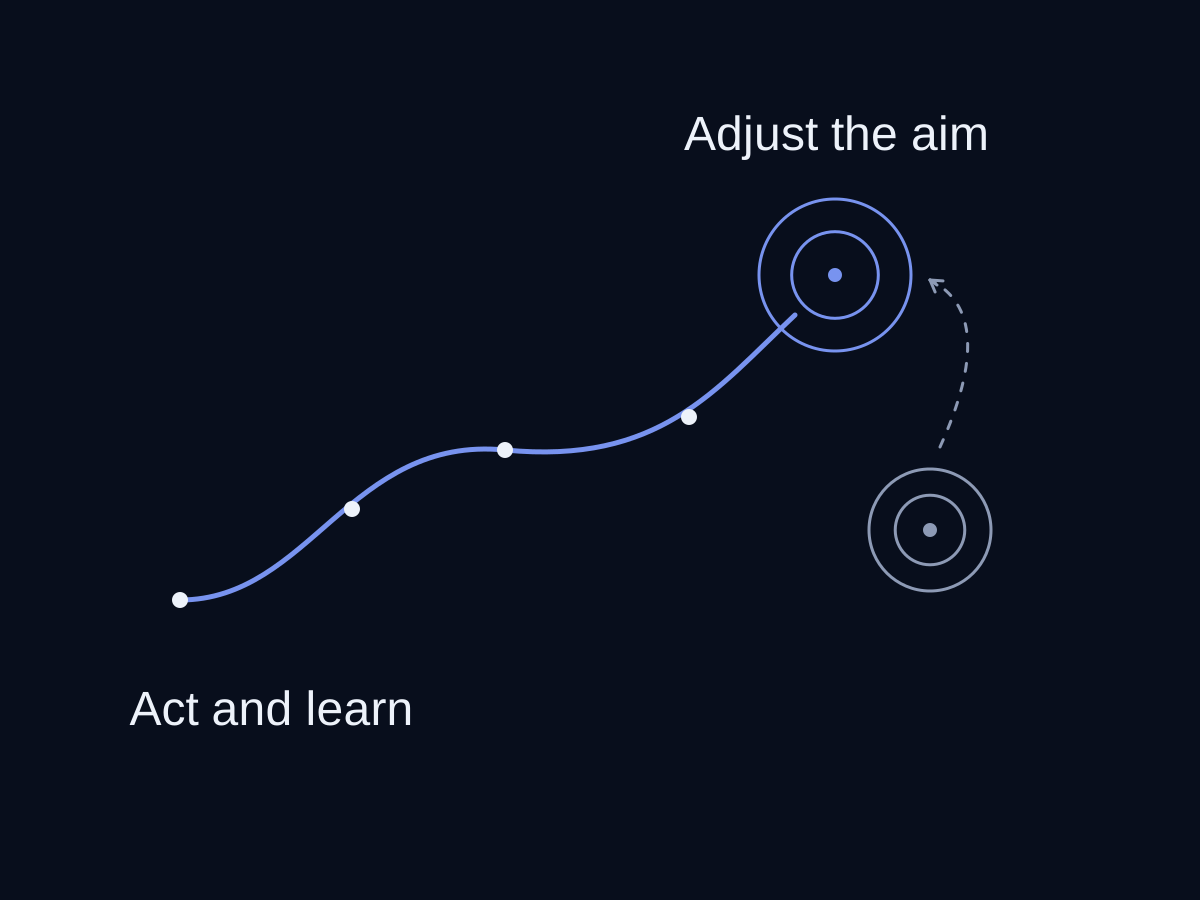
Move towards the target
Move towards the target. Be willing to move the target as you learn. Keep an ideal in view.
Collected note
The final handwritten fragment is unfinished. The edited reading draws on the three complete prompts.
Original handwriting ↗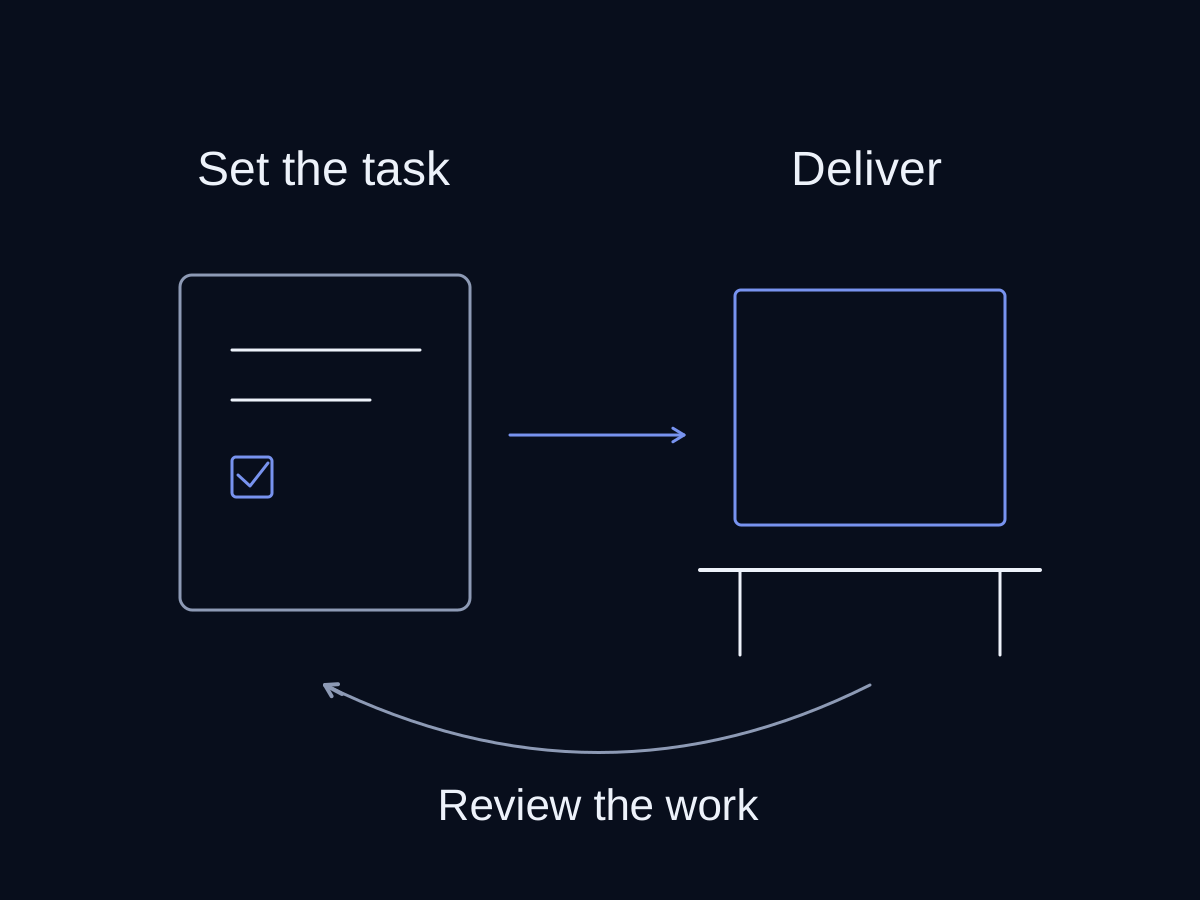
Employ yourself
Employ yourself.
Employ Shahzad to deliver.
Self-employed!
Personal reminder; exact source unconfirmed
Original handwriting ↗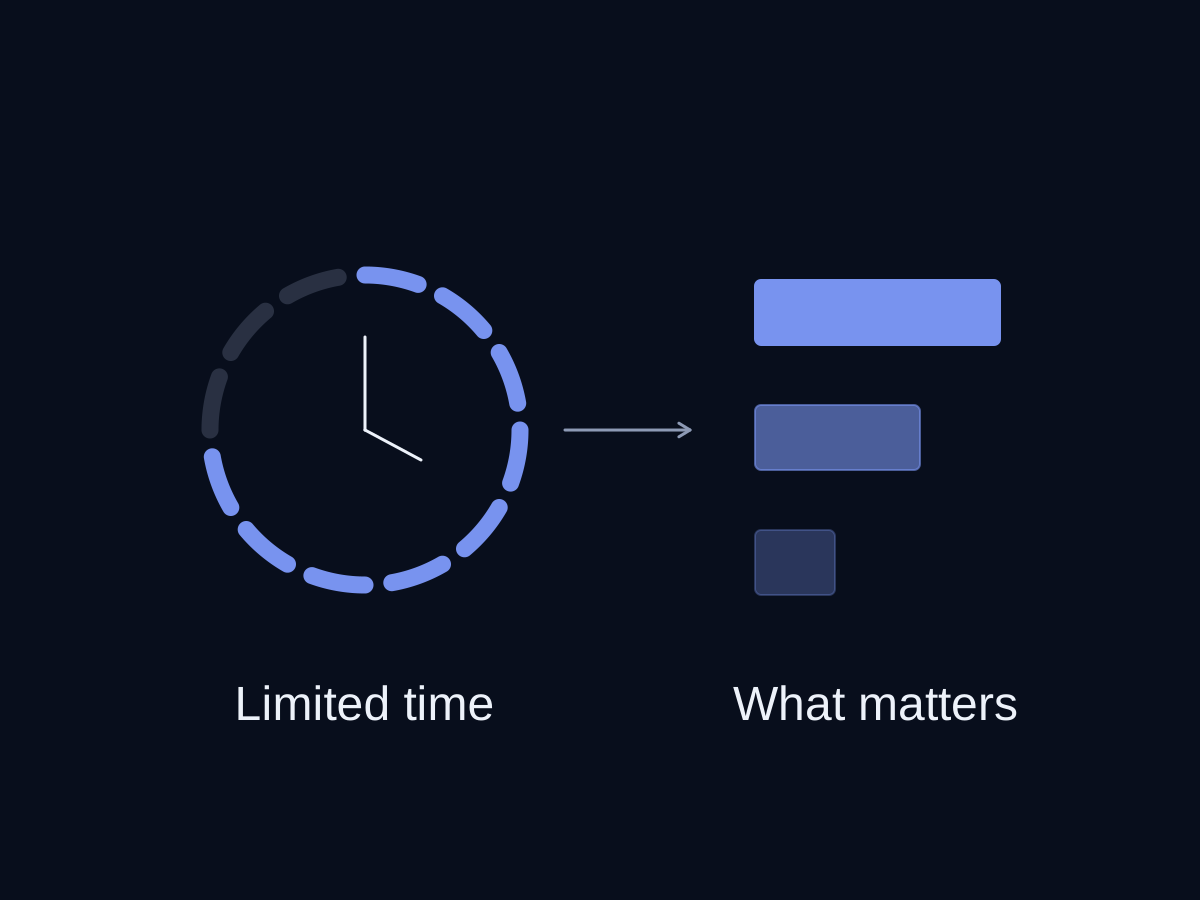
What matters
An awareness of limited time can change what seems important. The card imagines having one year to live and looking again at your priorities.
Reading note after Steven Pressfield, The War of Art
Original handwriting ↗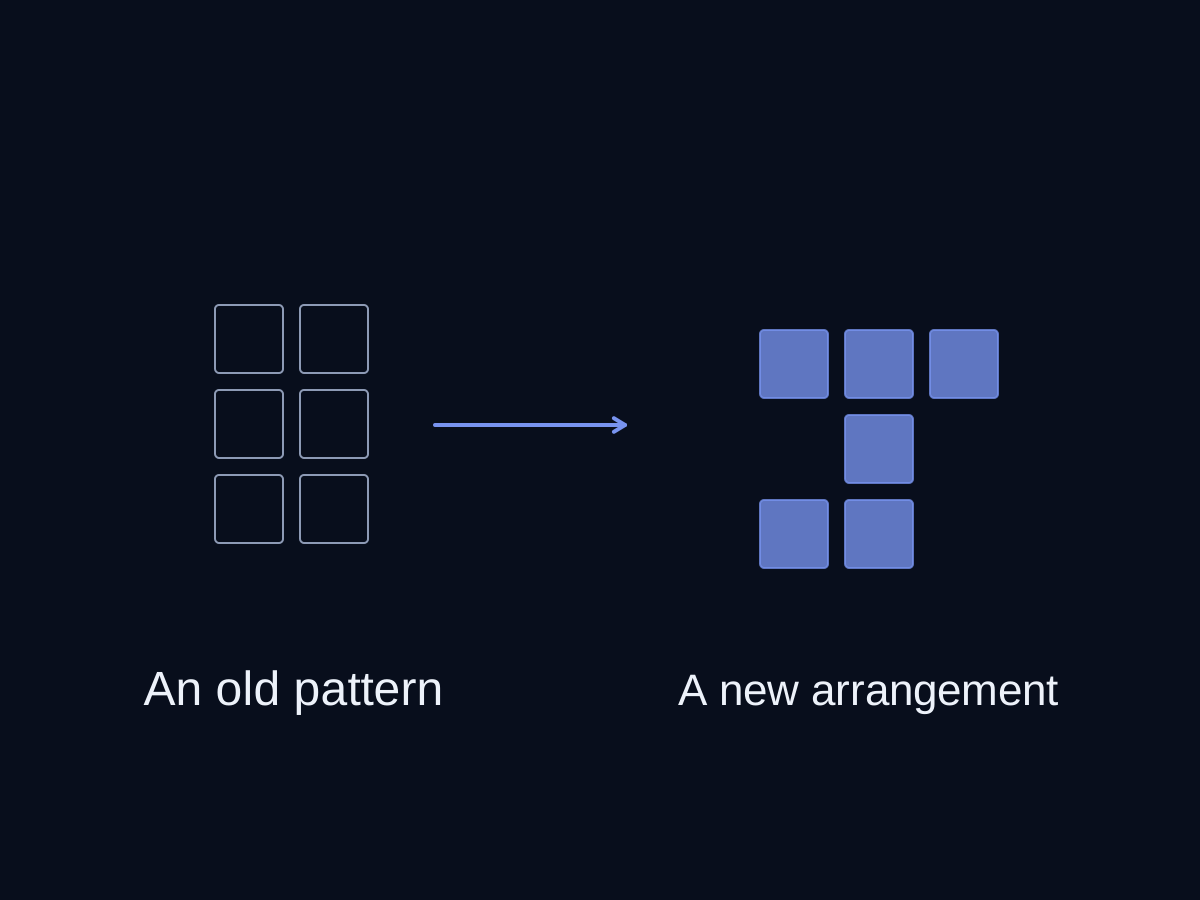
Reinvent yourself
Don’t be shy to reinvent yourself.
Reading note after Steven Pressfield, The War of Art
Original handwriting ↗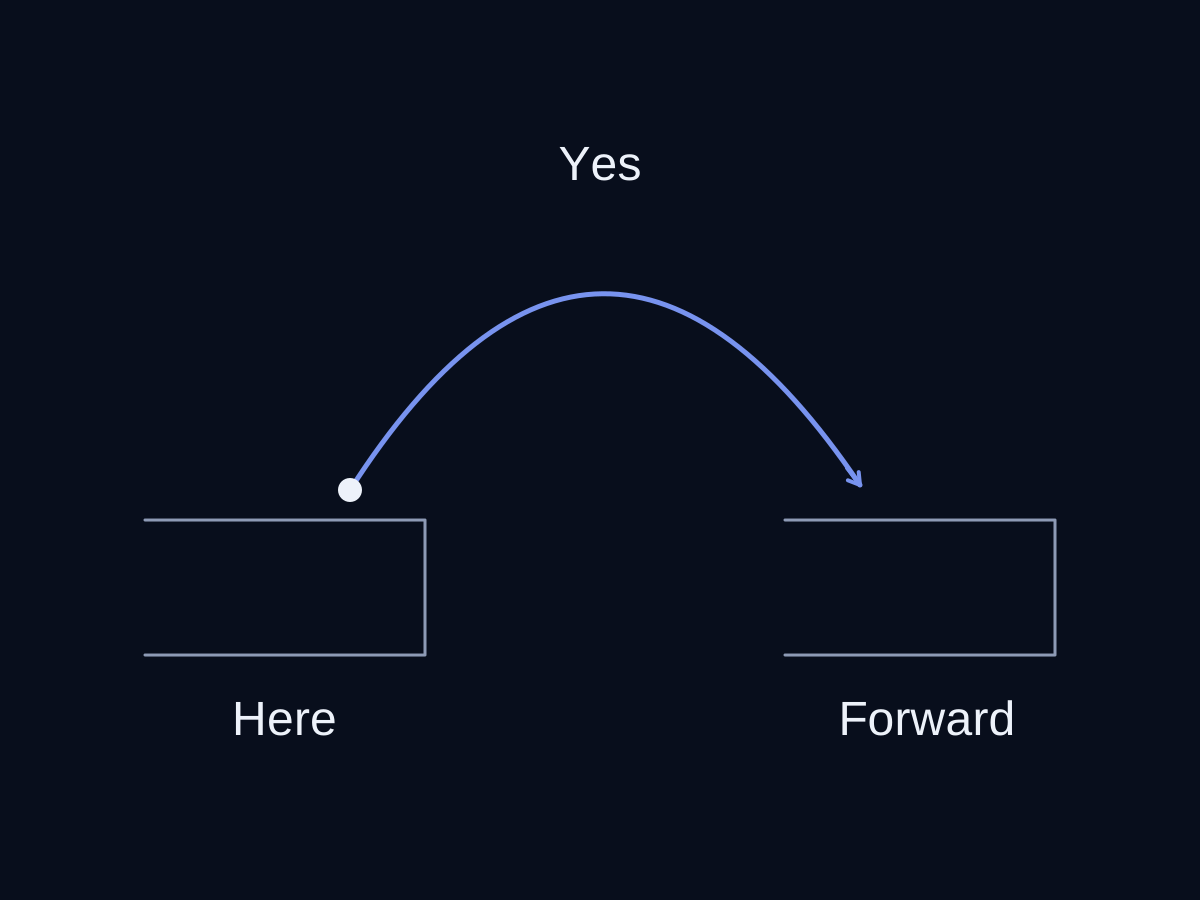
A leap of faith
Saying yes can involve a leap of faith. The card connects that choice with moving forward.
Collected note
Original handwriting ↗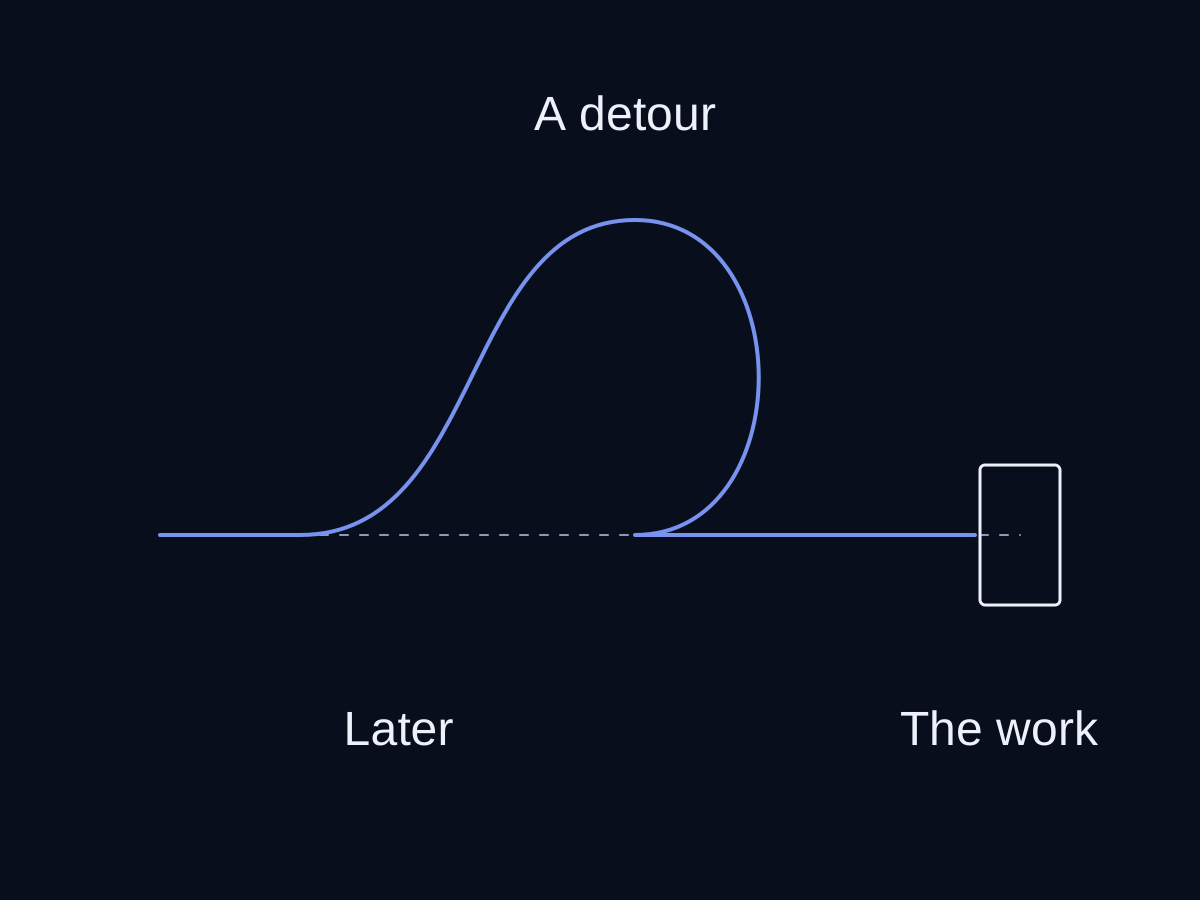
Procrastination
Putting something off can be one way resistance appears.
Reading note after Steven Pressfield, The War of Art
Original handwriting ↗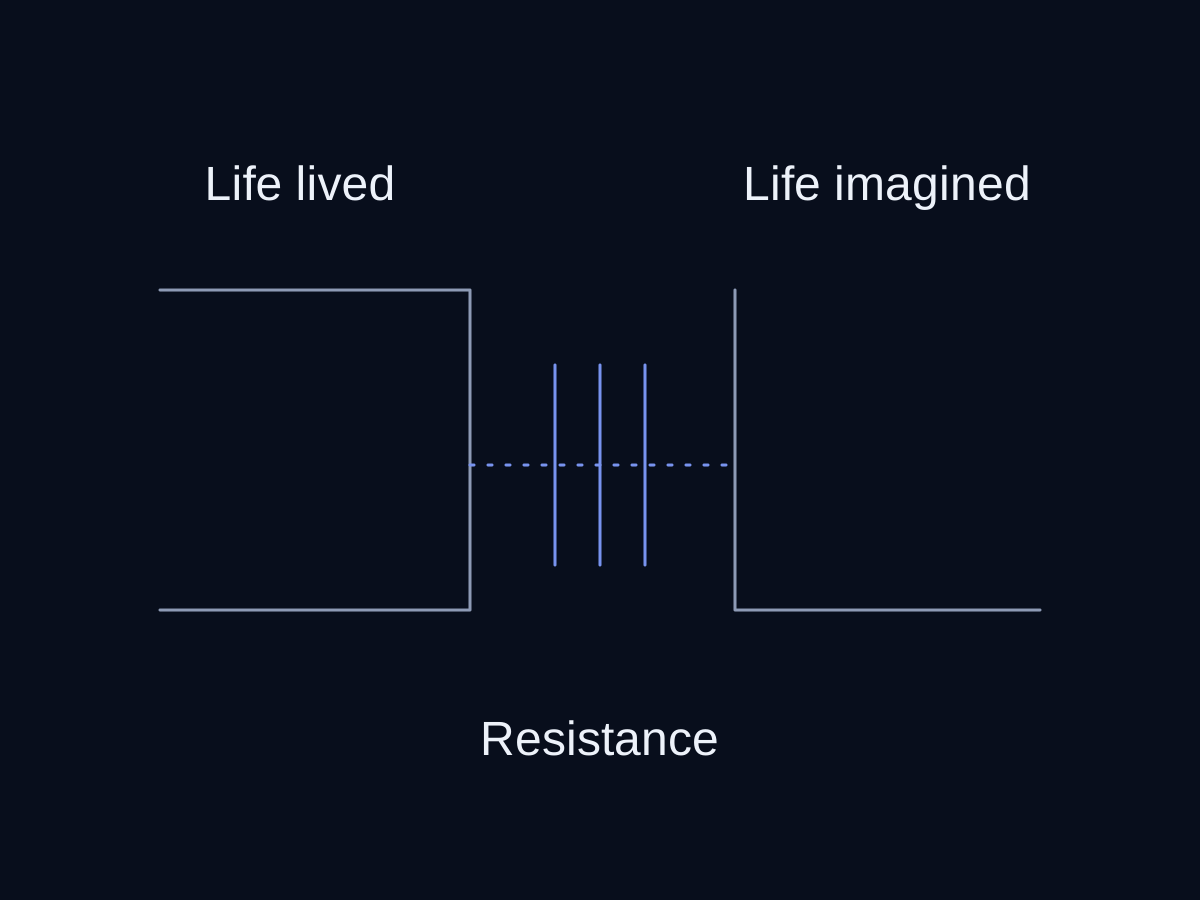
The unlived life
Pressfield describes a gap between the life we live and the life we imagine living. Resistance stands in that gap.
Reading note after Steven Pressfield, The War of Art
Original handwriting ↗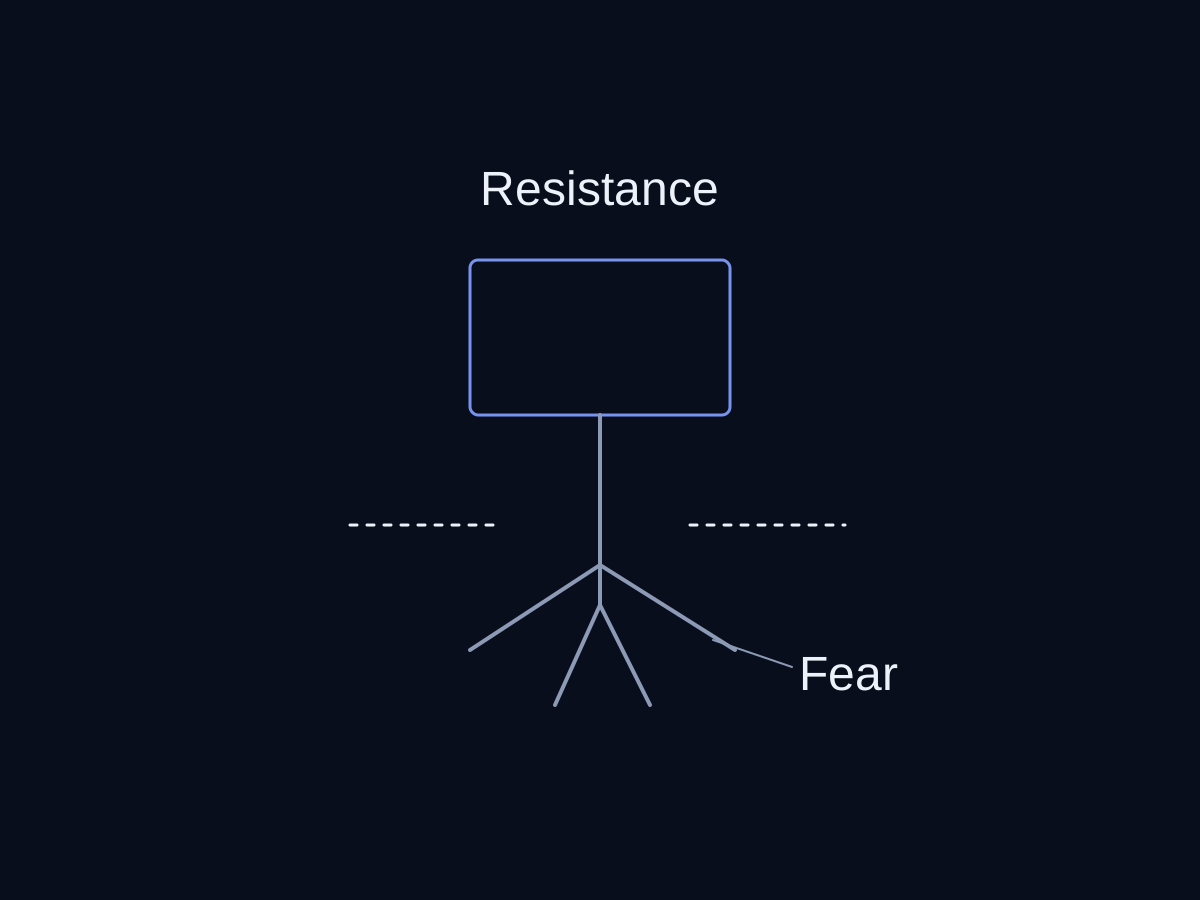
Resistance and fear
Resistance needs fear to survive.
Master the fear, conquer resistance.
Reading note after Steven Pressfield, The War of Art
Original handwriting ↗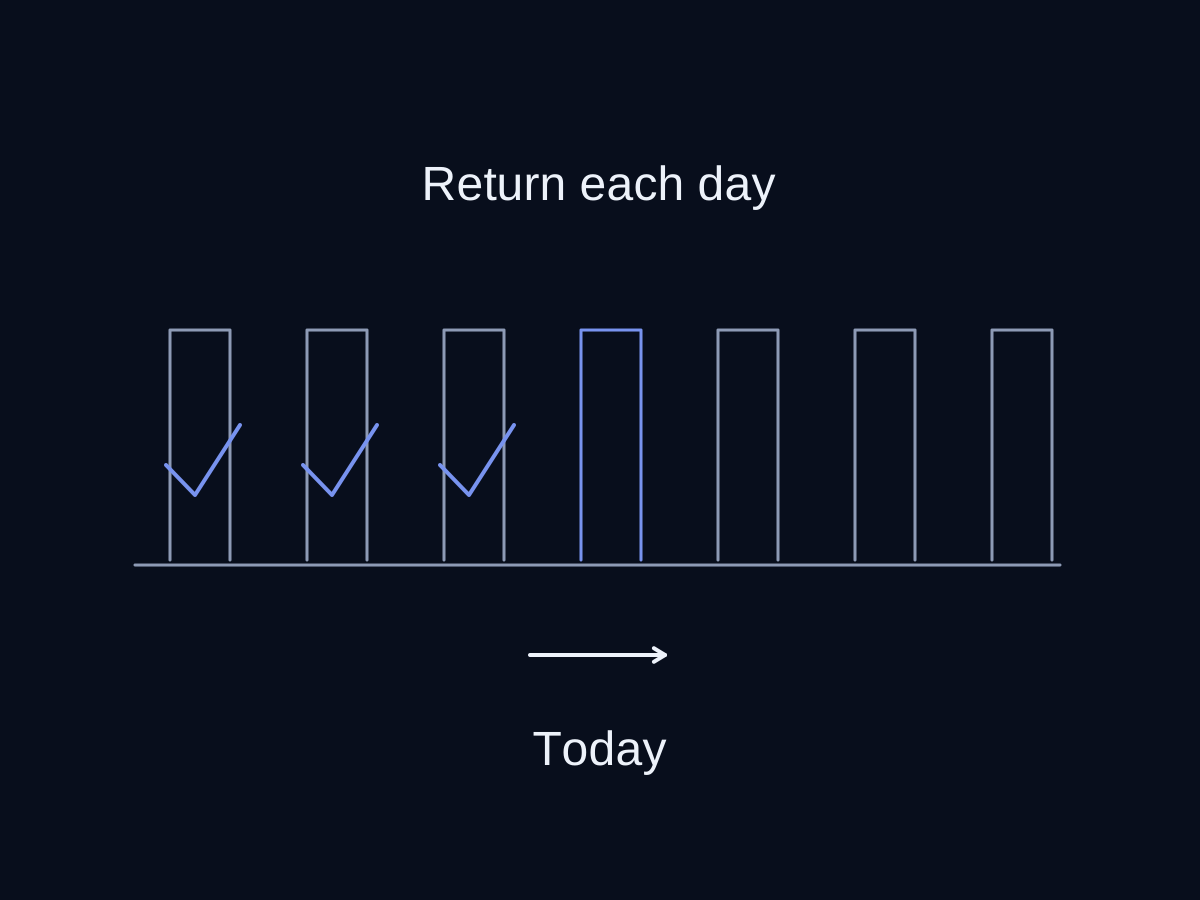
The daily battle
The battle against resistance must be fought every day.
Reading note after Steven Pressfield, The War of Art
Original handwriting ↗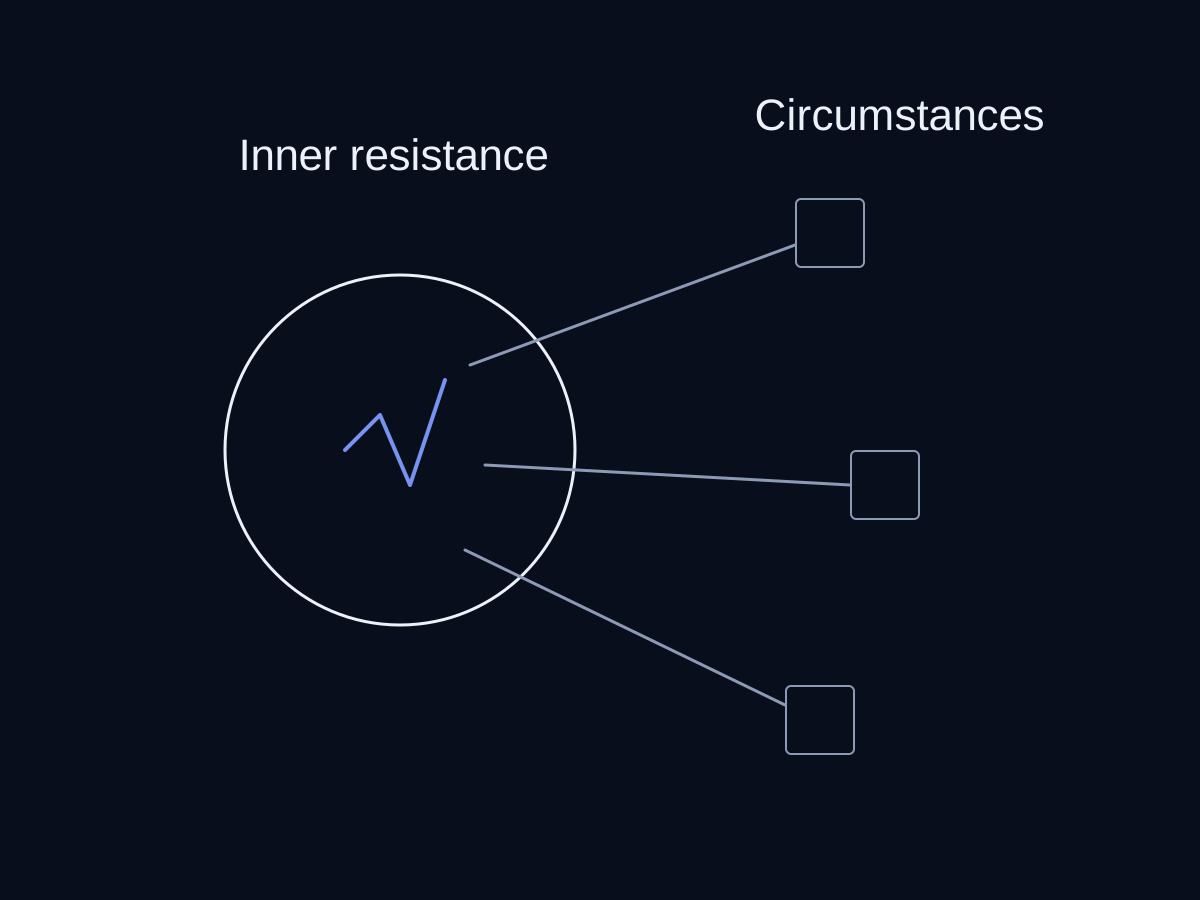
Where resistance appears
Pressfield describes resistance as arising within us. We can project it onto circumstances and relationships. In his account, work that matters deeply can stir a strong urge to avoid it.
Reading note after Steven Pressfield, The War of Art
Original handwriting ↗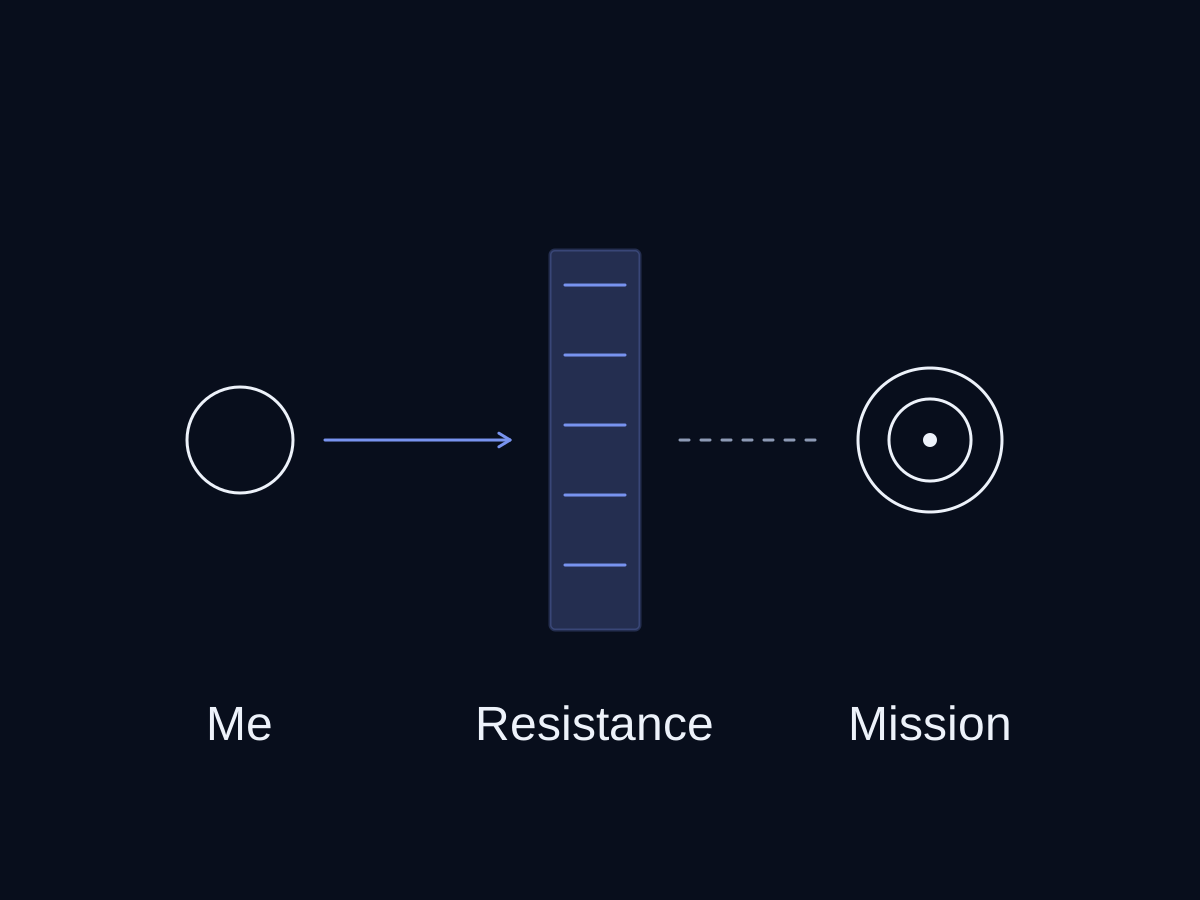
Between me and the mission
Resistance stands between me and my mission.
Personal diagram using Steven Pressfield’s Resistance framework
Original handwriting ↗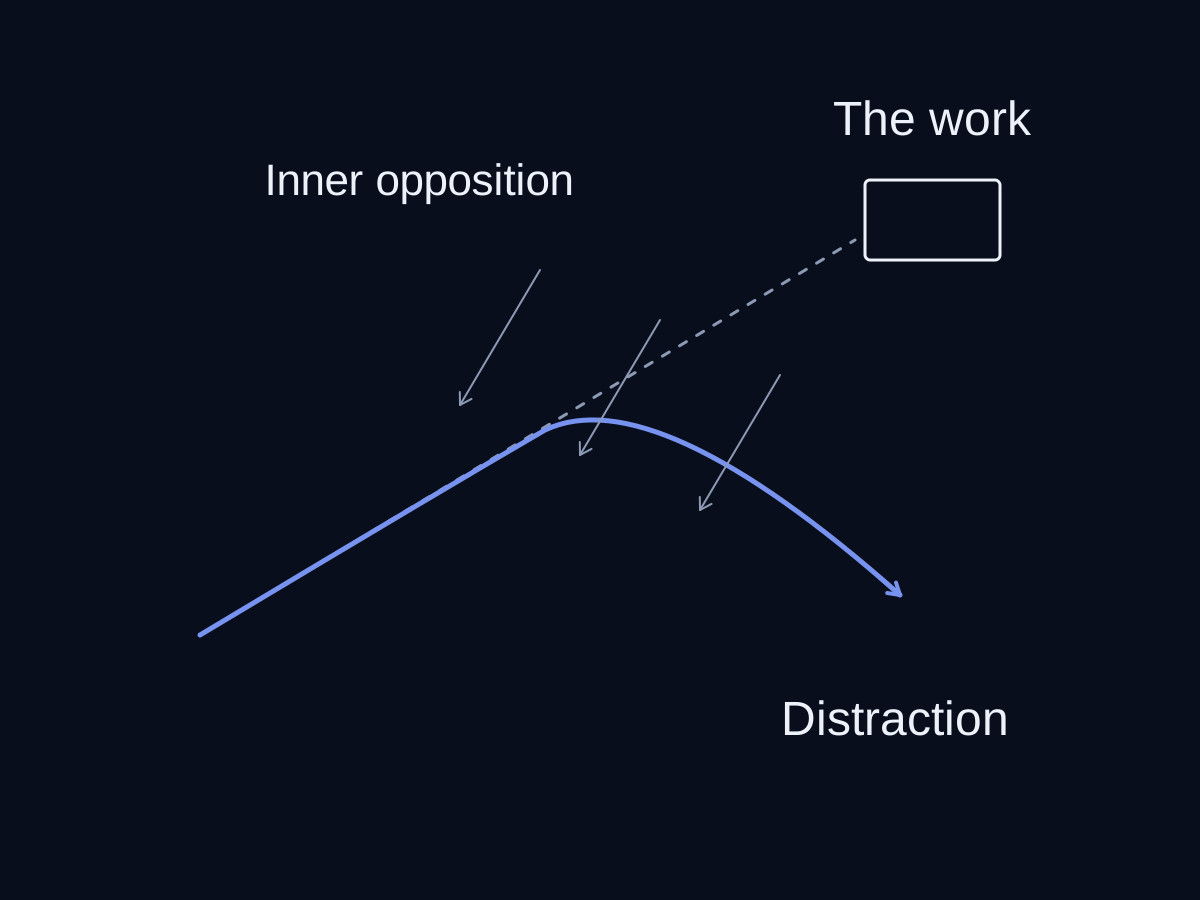
The invisible force
Resistance is Pressfield's name for the inner opposition that distracts us from doing work we care about.
Reading note after Steven Pressfield, The War of Art
Original handwriting ↗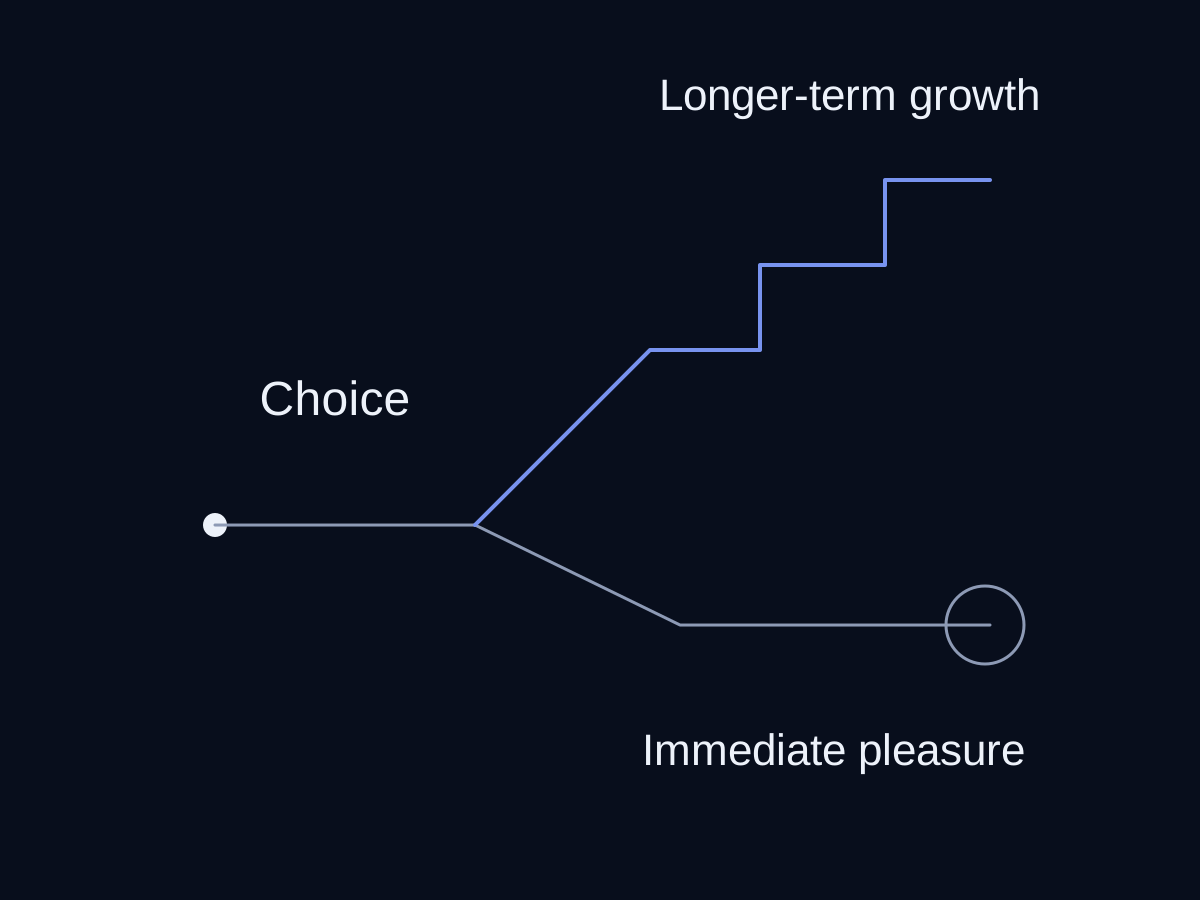
Immediate gratification
Long-term growth, health and integrity can require giving up an immediate pleasure. Pressfield places resistance in that moment of choice.
Reading note after Steven Pressfield, The War of Art
Original handwriting ↗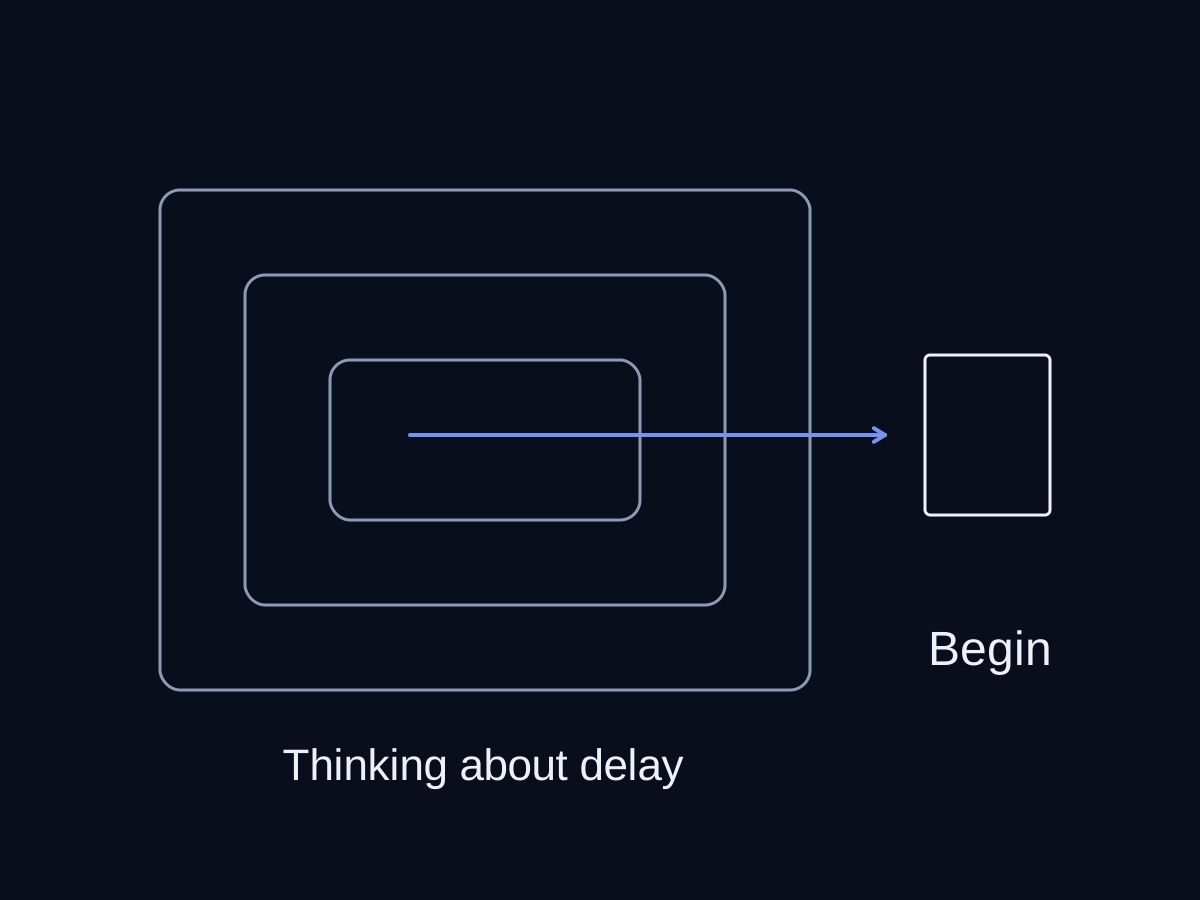
Procrastinating about procrastination
Even thinking about procrastination can become another way of putting off the work.
After Robert McKee, foreword to The War of Art
Original handwriting ↗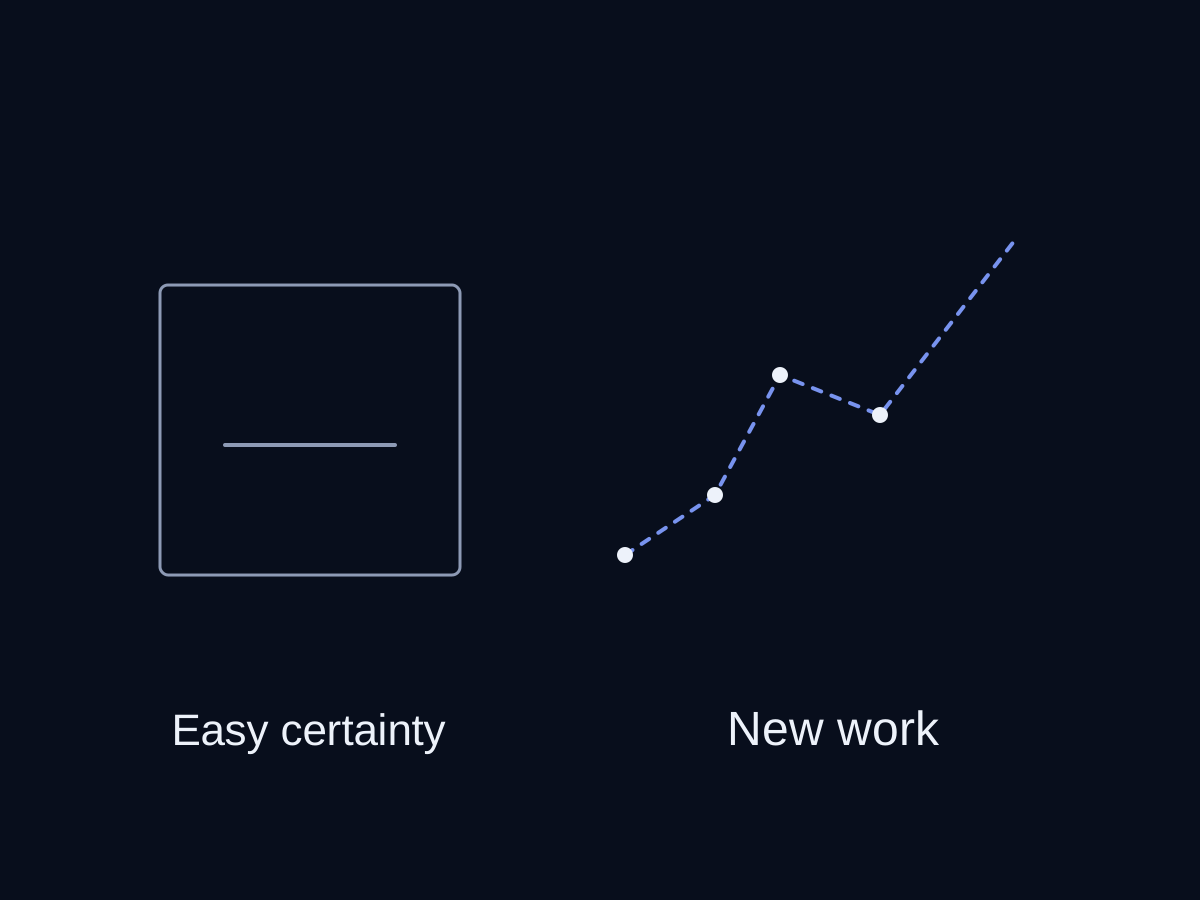
Confidence and uncertainty
Pressfield contrasts the certainty of the counterfeit innovator with the fear experienced by someone attempting new work.
Reading note after Steven Pressfield, The War of Art
The handwritten Dunning–Kruger association is a personal annotation. The edited reading concerns Pressfield’s description of creative uncertainty.
Original handwriting ↗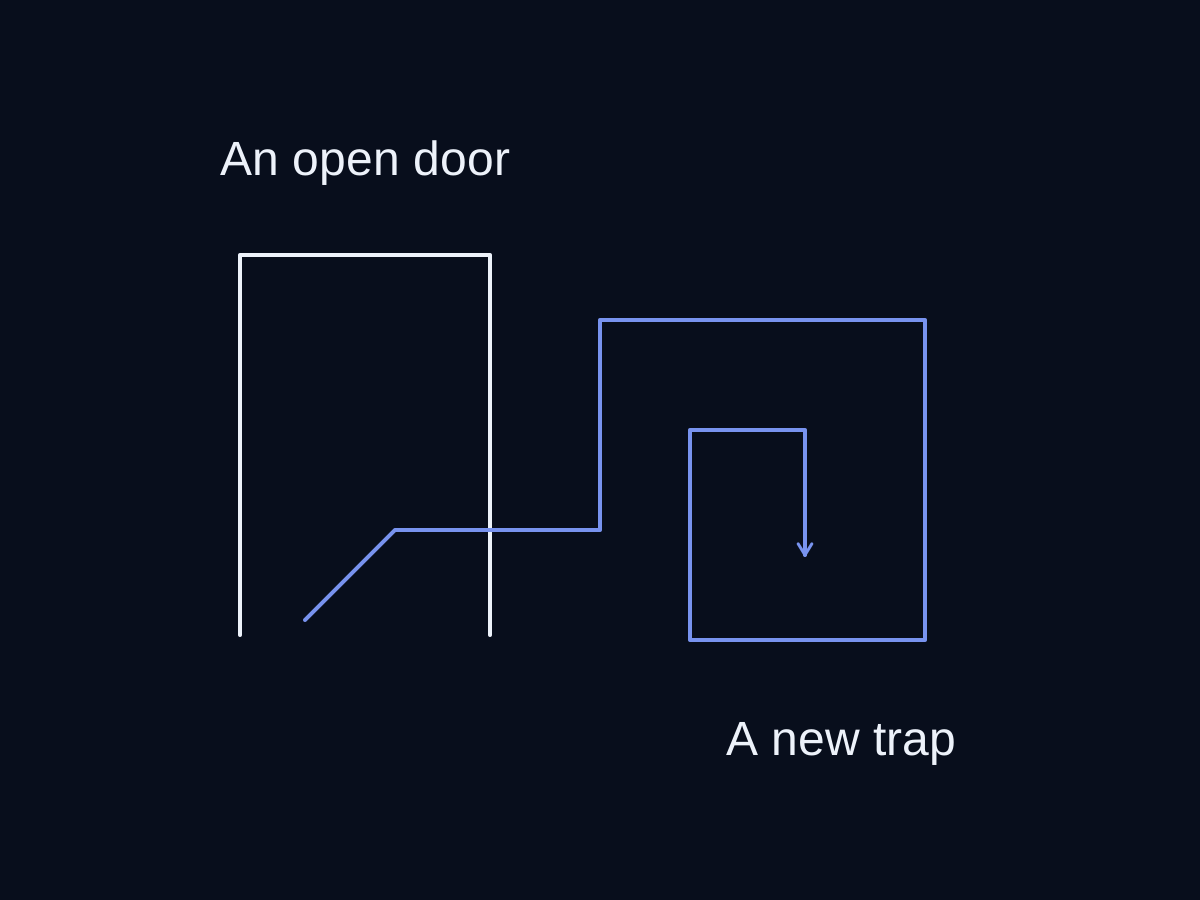
A new trap
Every new trap appears as freedom.
Collected note
Original handwriting ↗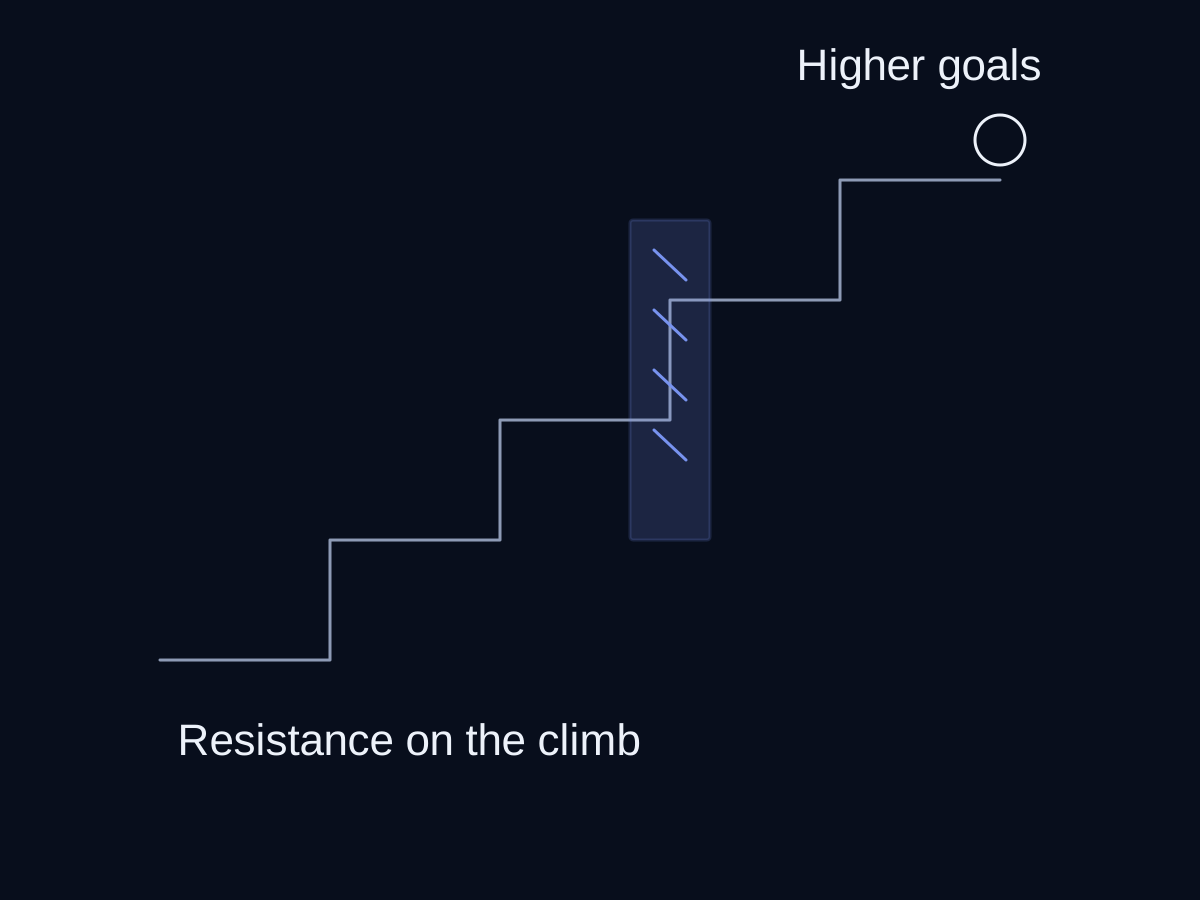
Resistance and higher goals
Resistance obstructs higher goals.
Collected note related to Steven Pressfield’s Resistance framework; exact source unconfirmed
Original handwriting ↗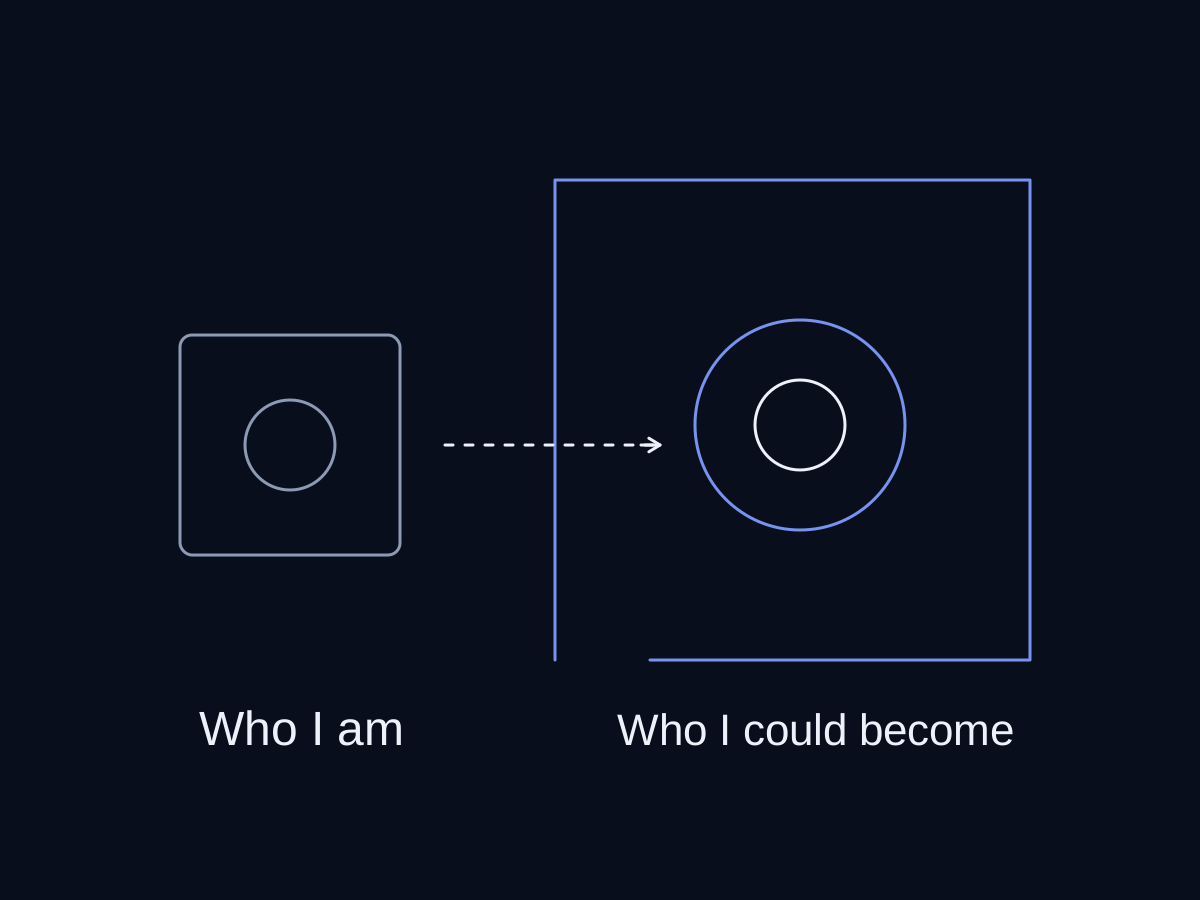
Fear of success
Pressfield suggests that success can feel frightening because it asks us to revise our idea of who we are.
Reading note after Steven Pressfield, The War of Art
Pressfield’s interpretation of resistance.
Original handwriting ↗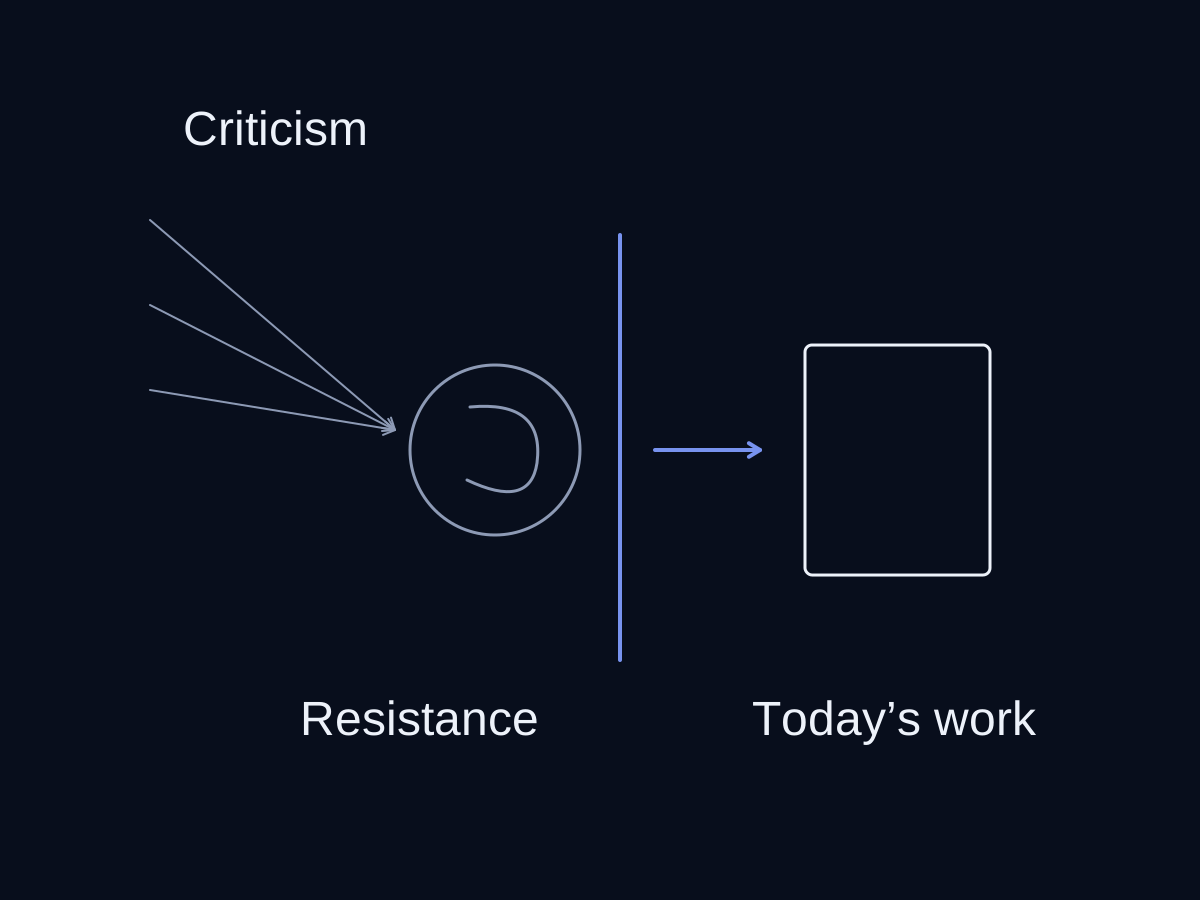
Sovereignty over the moment
Criticism can give inner resistance more material. Keep your attention on the work in front of you.
Reading note after Steven Pressfield, The War of Art
Original handwriting ↗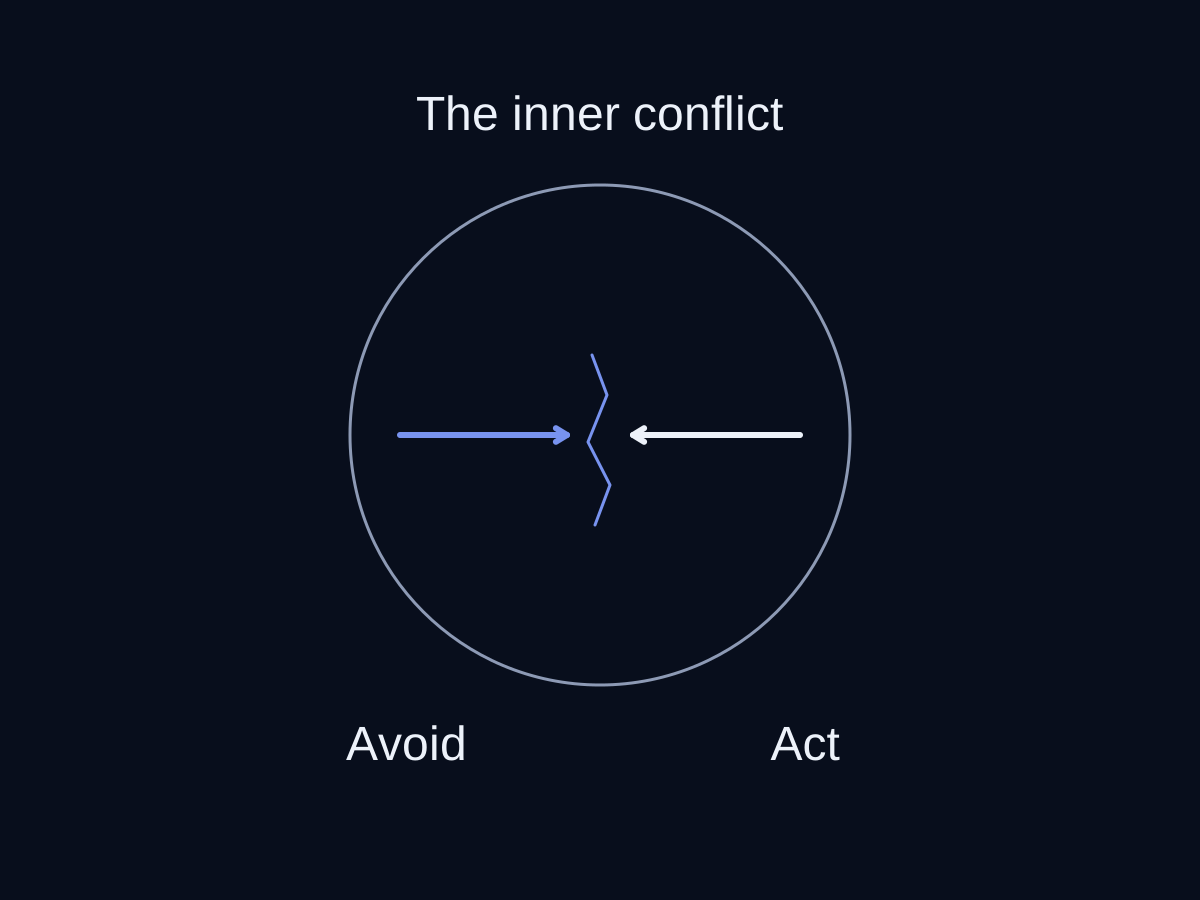
The inner battle
Resistance is the enemy, and the battle is inside our heads.
Reading note after Steven Pressfield, The War of Art
Original handwriting ↗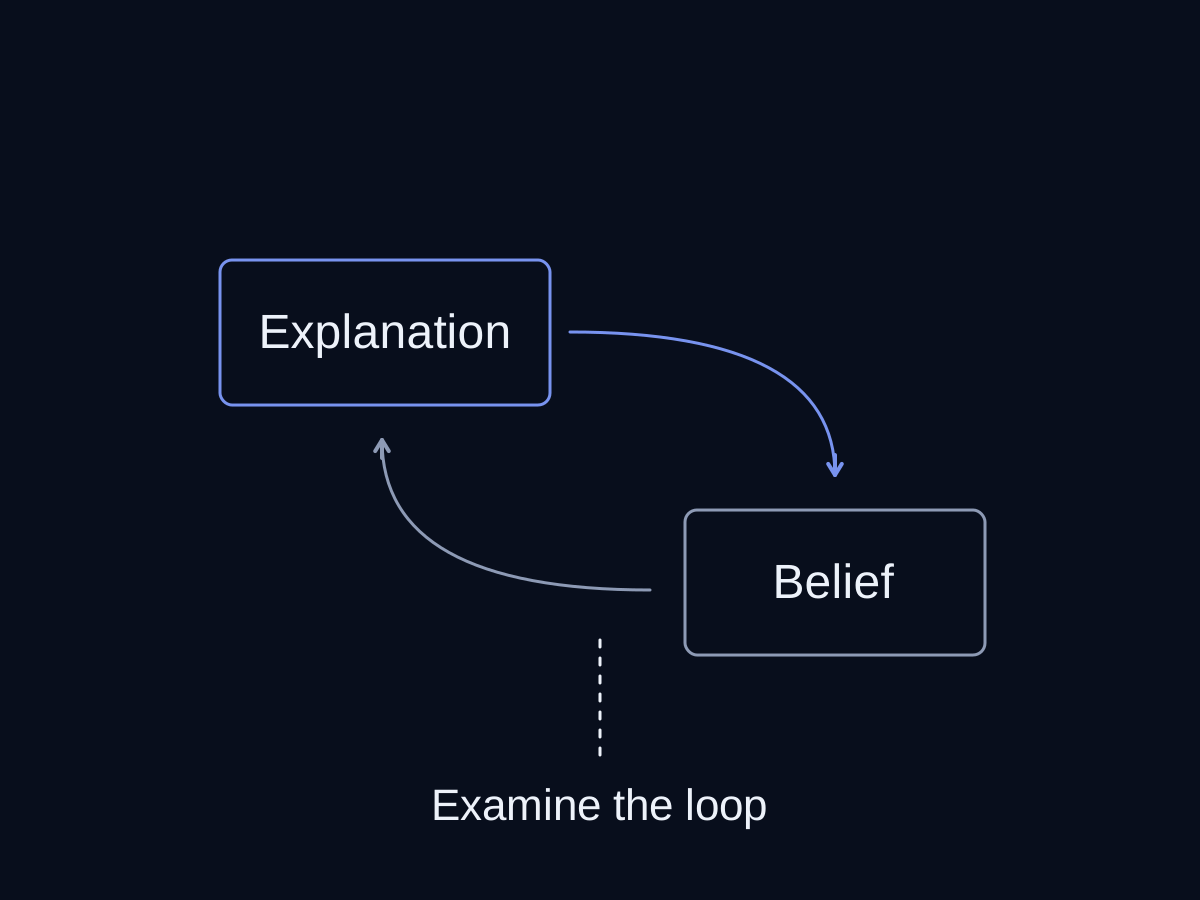
Rationalisation
Notice when you have begun to believe your own rationalisations.
Reading note after Steven Pressfield, The War of Art
Original handwriting ↗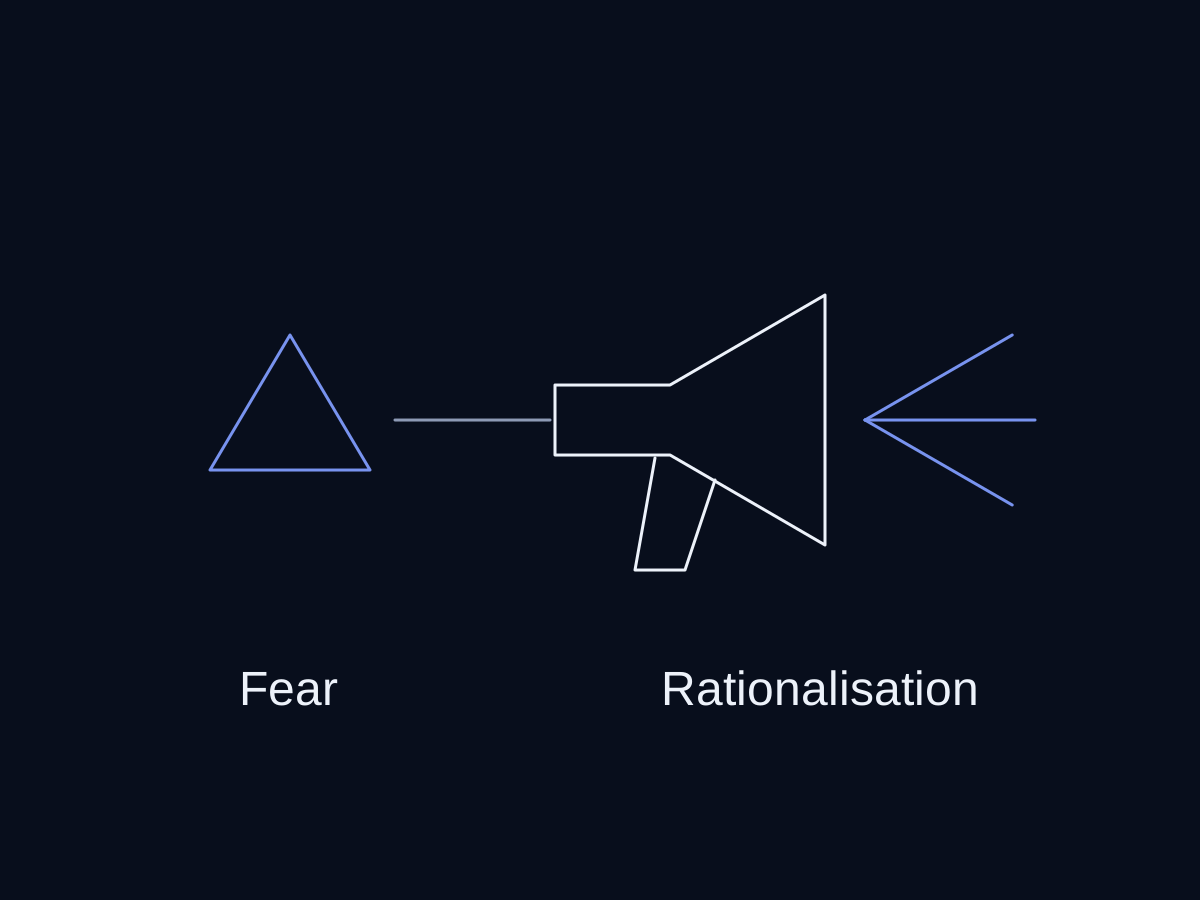
Fear and rationalisation
Resistance = fear.
Rationalisation is its PR person!
Reading note after Steven Pressfield, The War of Art
Original handwriting ↗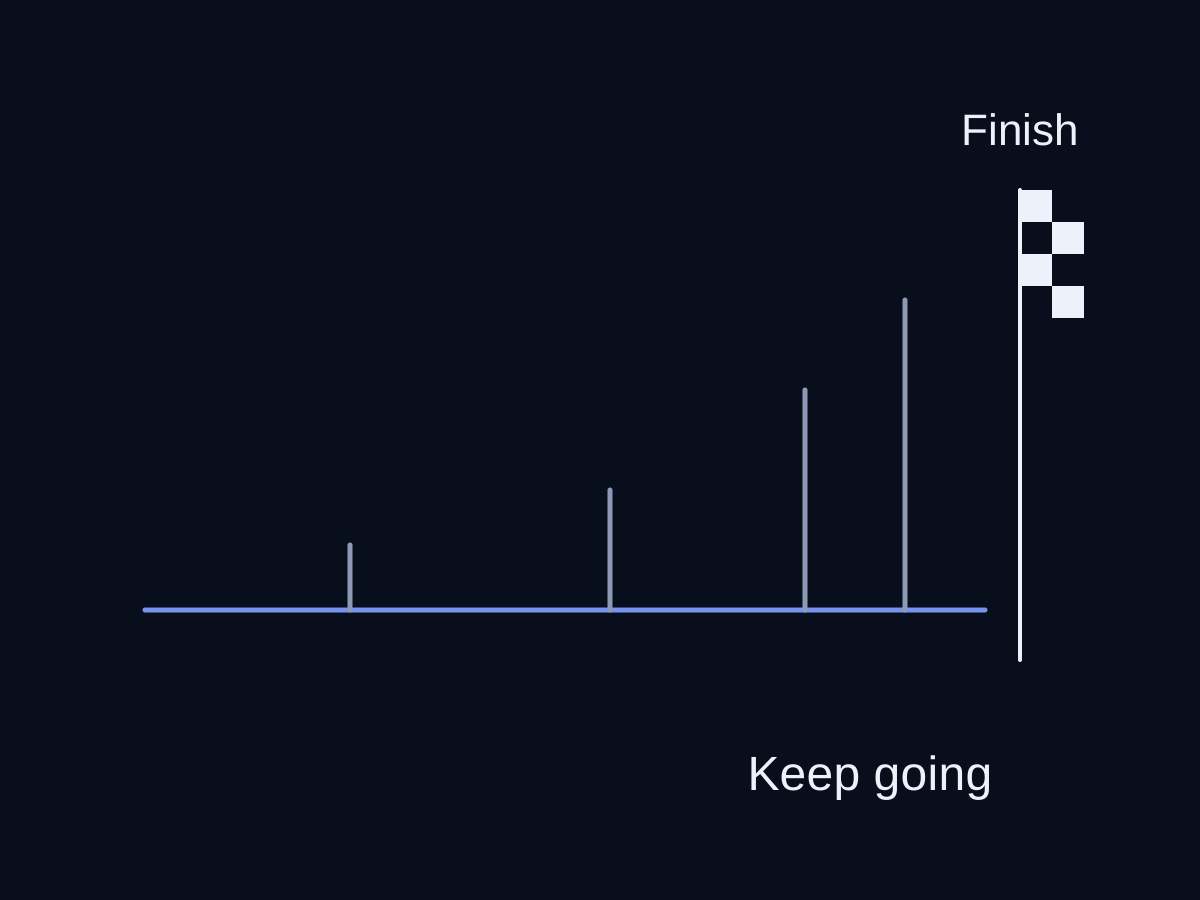
Near the finish line
Resistance is most powerful near the finish line.
Reading note after Steven Pressfield, The War of Art
A creative-work heuristic within Pressfield’s Resistance framework.
Original handwriting ↗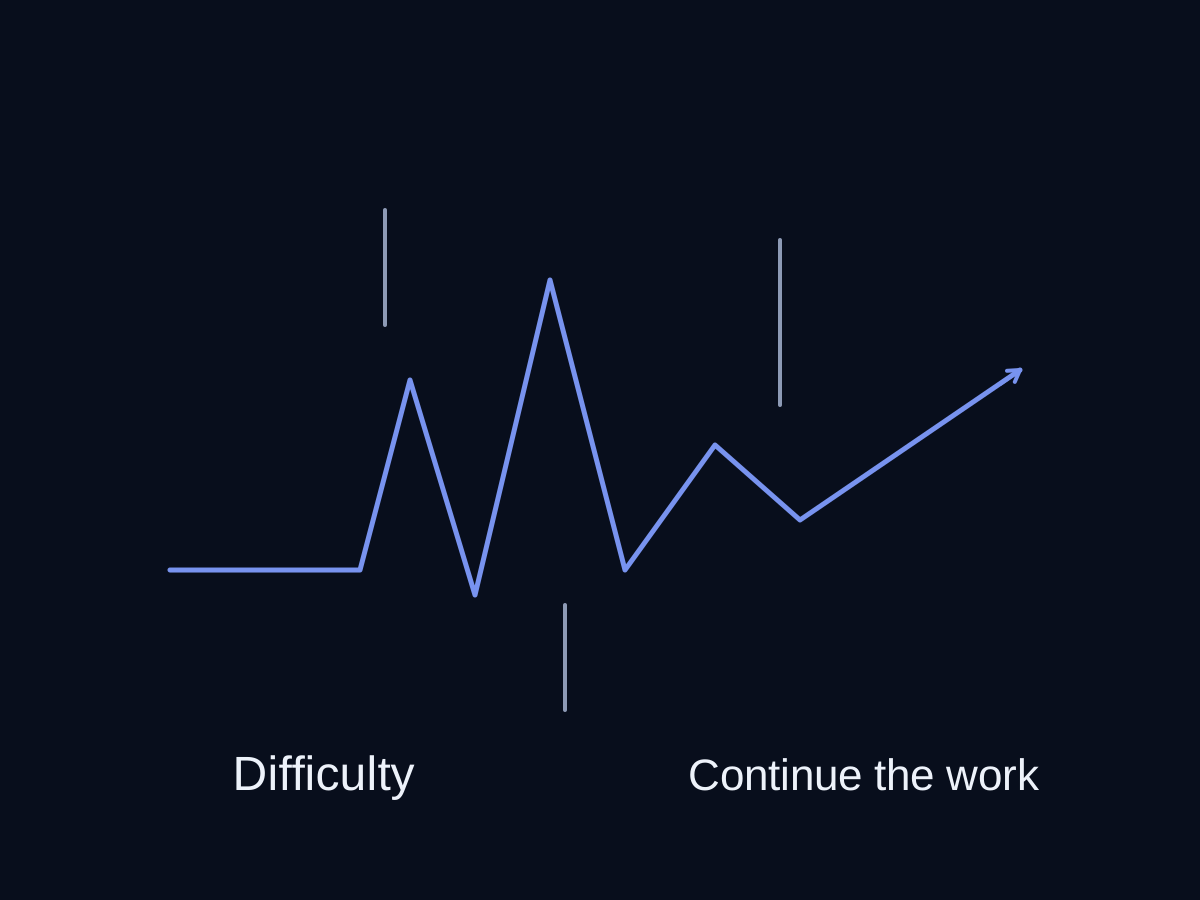
The difficult part
Creative work can bring rejection, self-doubt and humiliation. The card uses the image of a battle to describe continuing through that difficulty.
Reading note after Steven Pressfield, The War of Art
Original handwriting ↗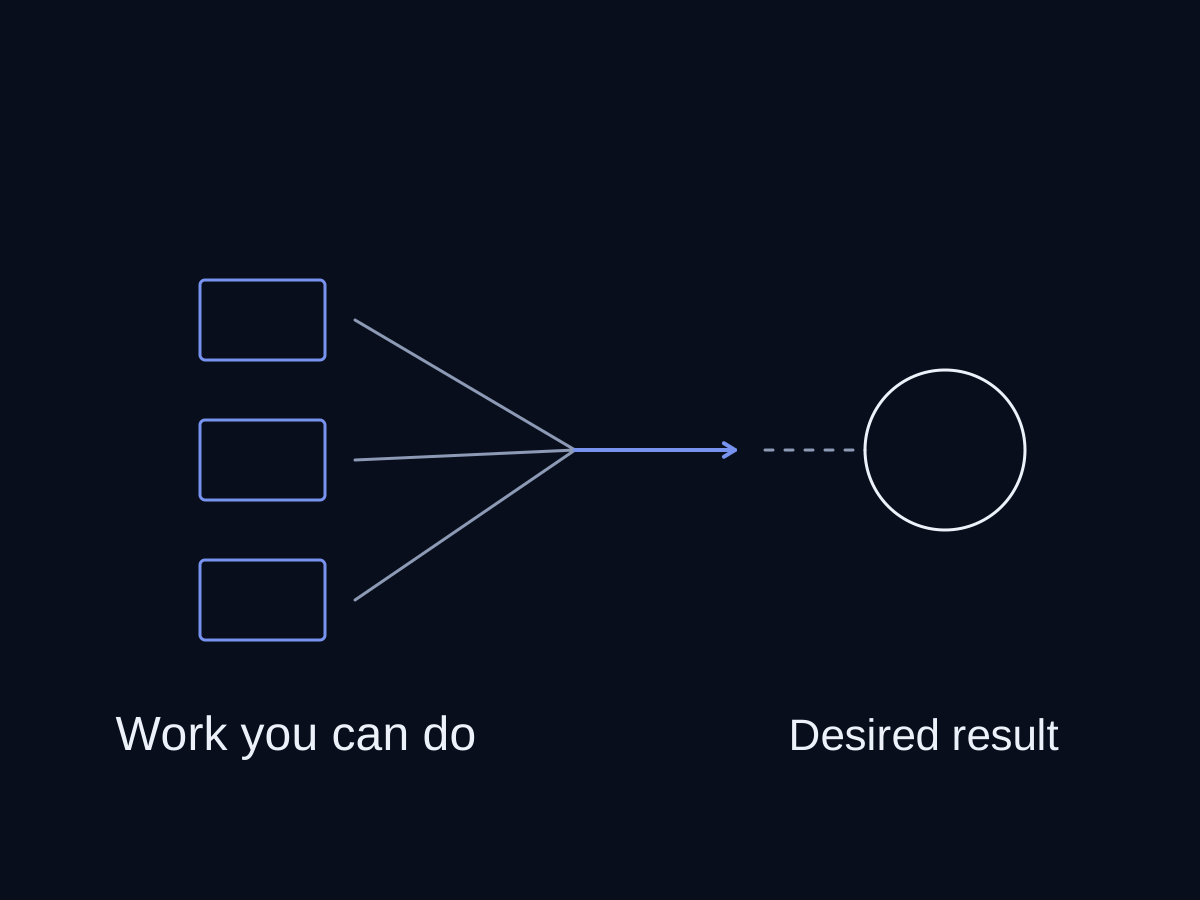
Work and results
Put your attention into the work that can contribute to the result you want.
Collected note
Original handwriting ↗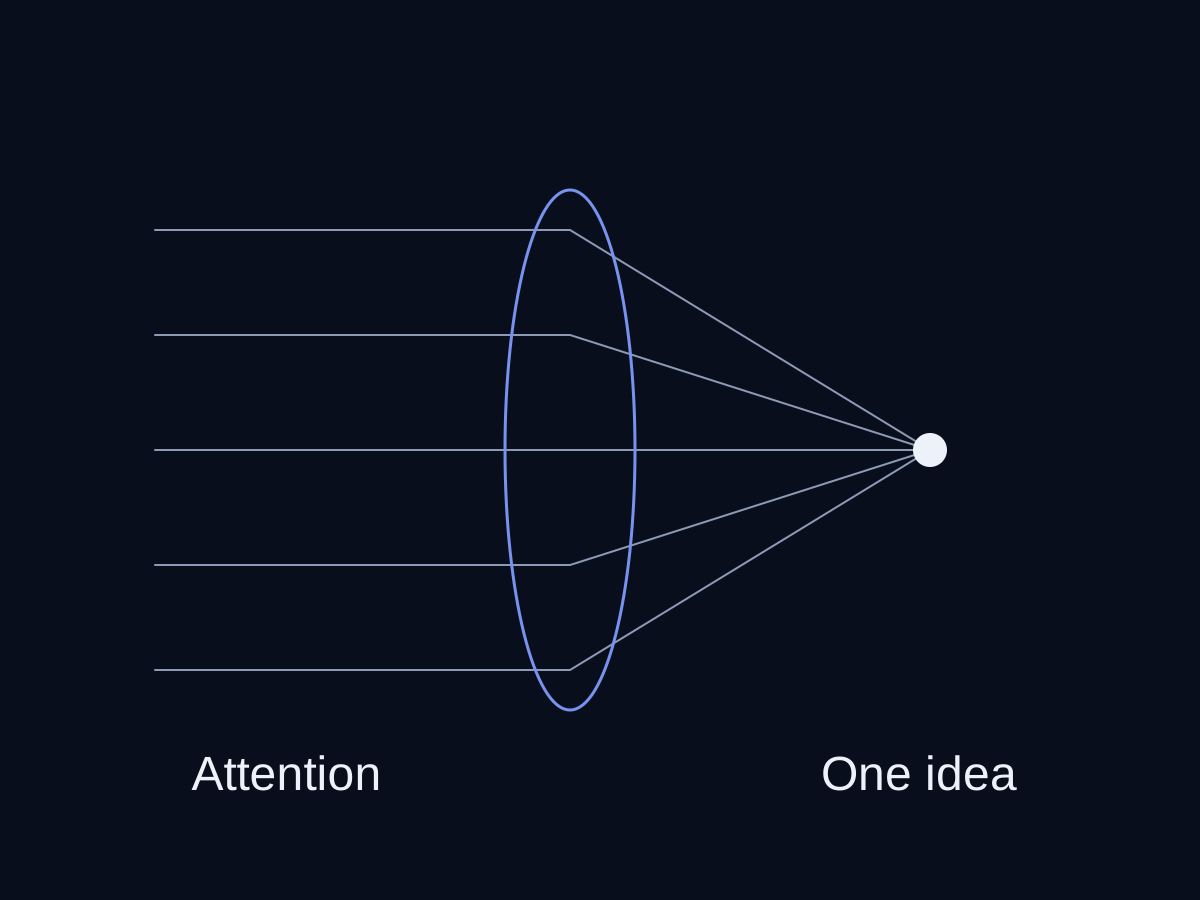
A lens of attention
Concentrated attention gathers the mind around one idea. Sertillanges describes it as a lens bringing rays of attention together.
After A. G. Sertillanges, The Intellectual Life; Mary Ryan translation
Original handwriting ↗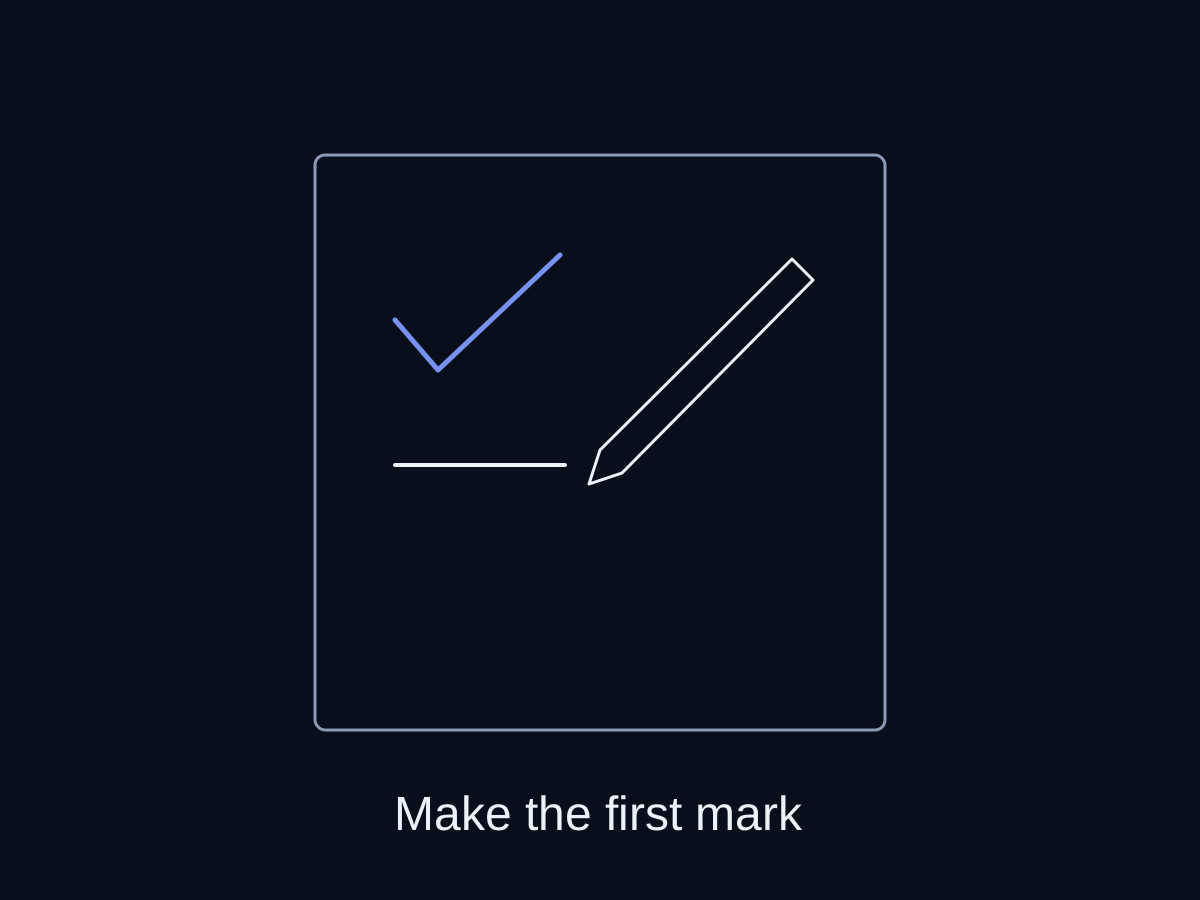
Begin
Begin. Action gives an idea a chance to become something you can learn from. The card applies this to starting a business.
After Patricia Ryan Madson, Improv Wisdom
Original handwriting ↗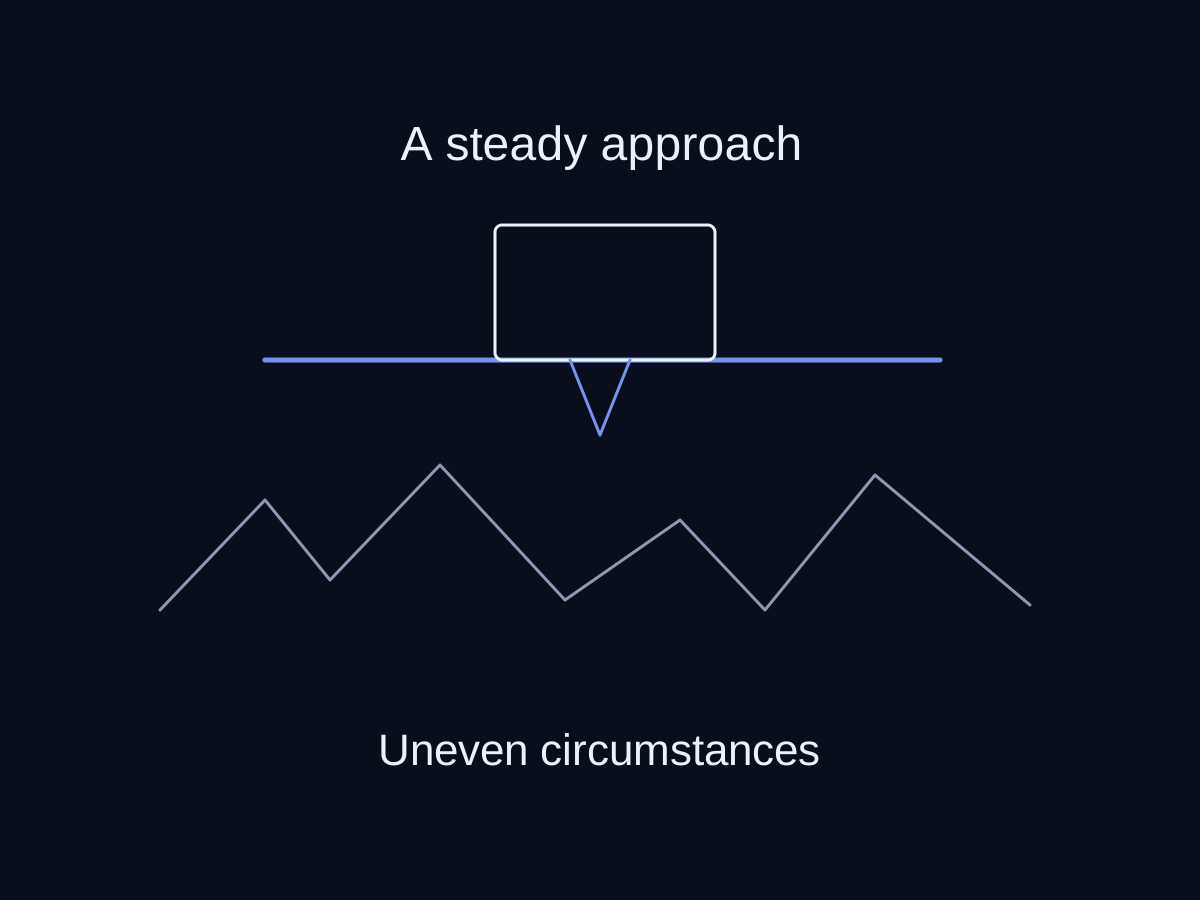
Handle yourself steadily
Handle yourself steadily through the work and its setbacks.
Reading note after Steven Pressfield, The War of Art
Original handwriting ↗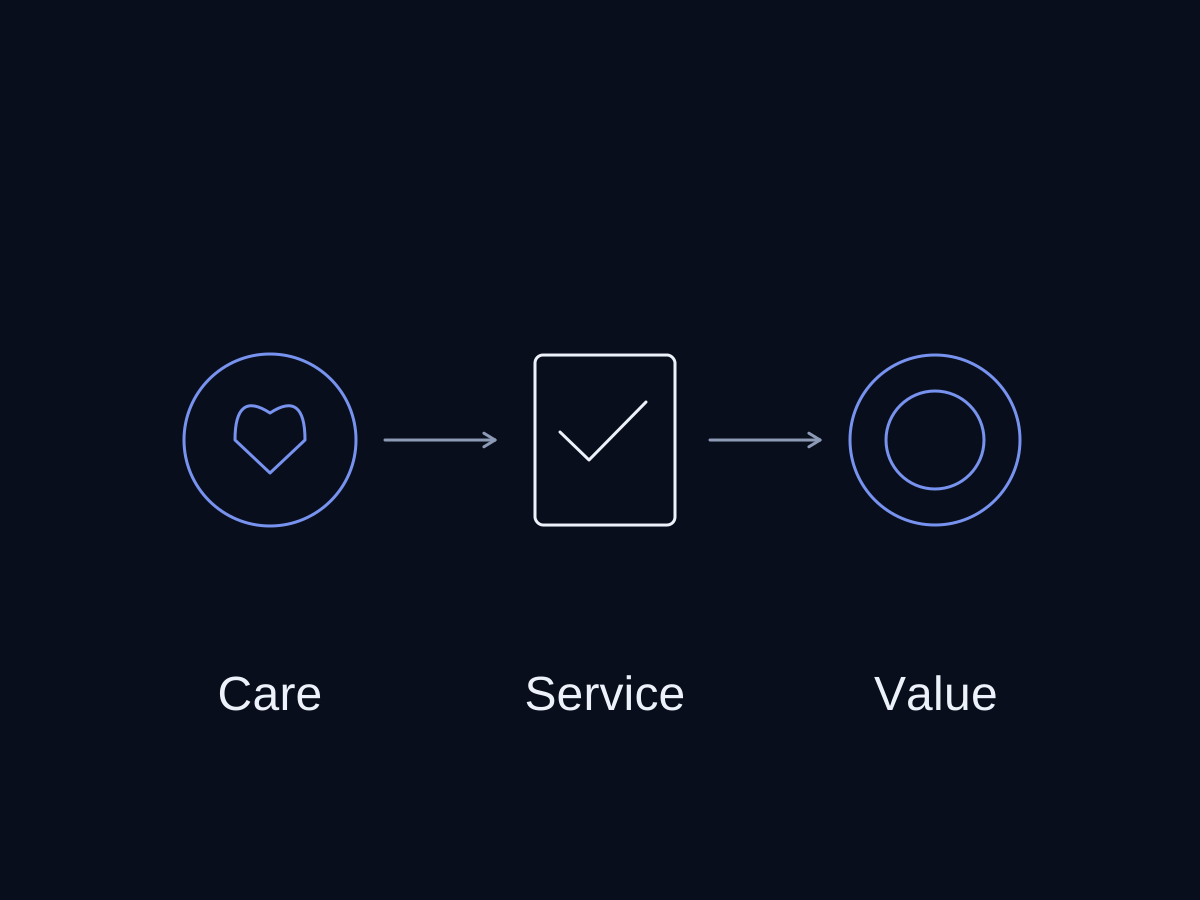
What is success in business?
What do you care about enough to take care of? The card connects care, service and business success.
Collected note
Original handwriting ↗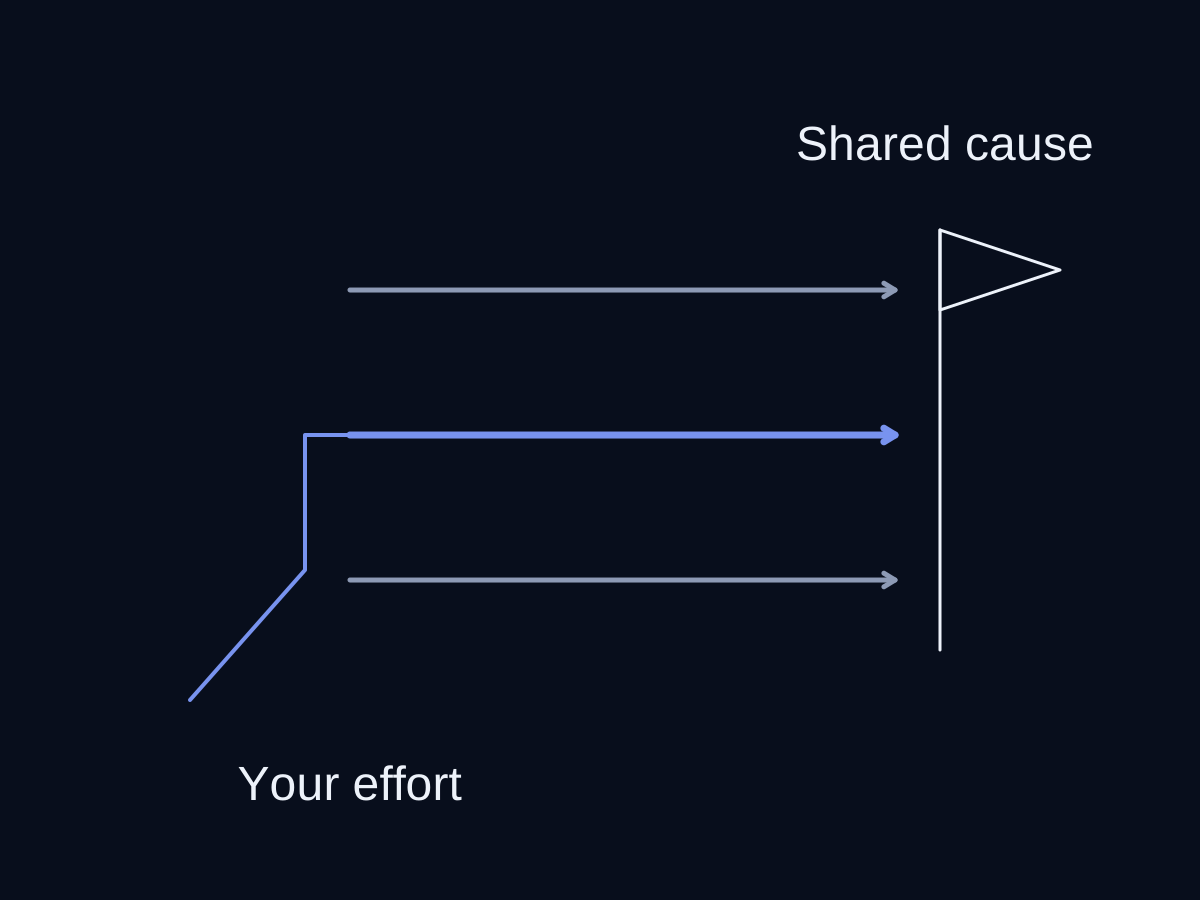
Identification with the cause
Identification with the cause
A soldier must identify with the cause and standpoint of his side.
Collected note
Original handwriting ↗
Honest action today
Put all energy into doing honest action today, and tomorrow will take care of itself.
Collected note
Original handwriting ↗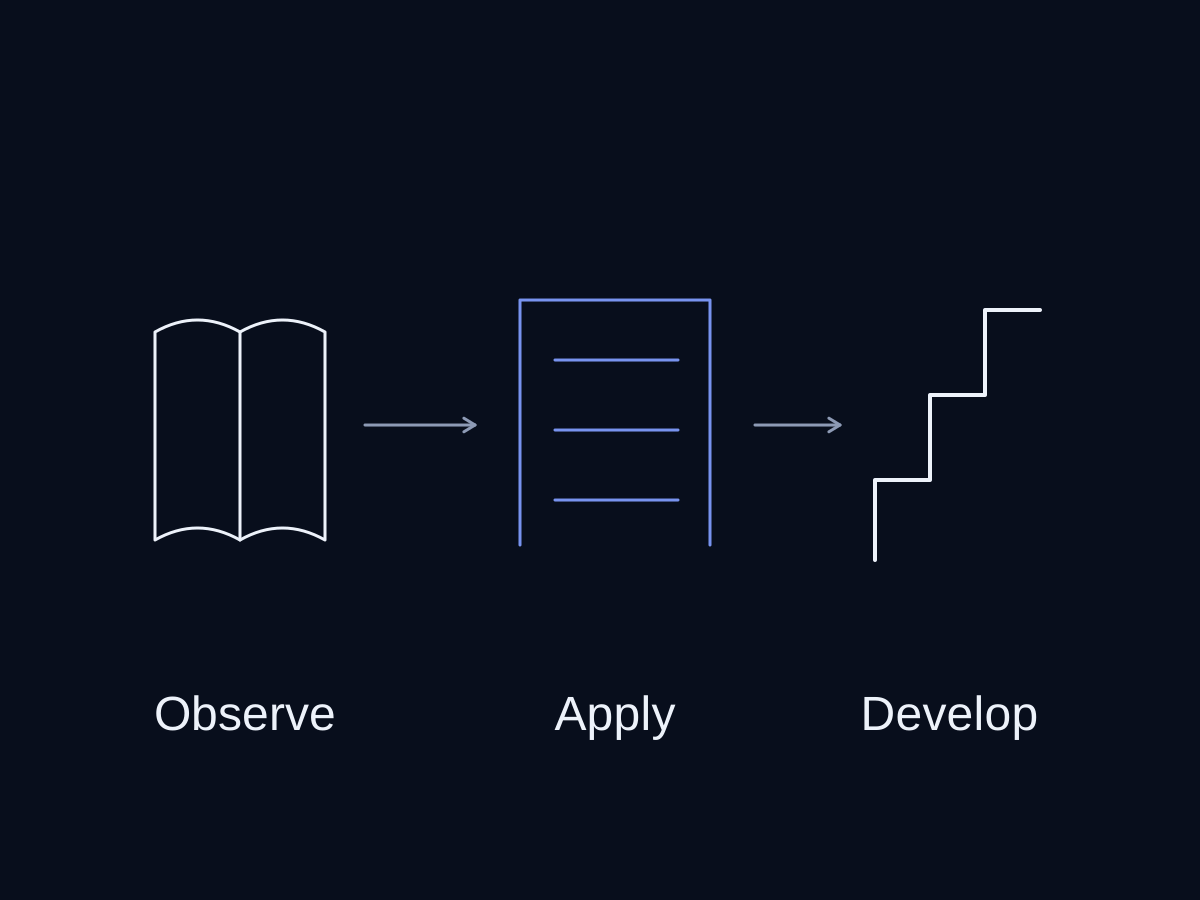
Self-made success
Roosevelt describes a life open to an ordinary person who develops the abilities they have. The card adds a practical intention: study people's actions and apply what you learn.
After Theodore Roosevelt, An Autobiography, chapter II
Original handwriting ↗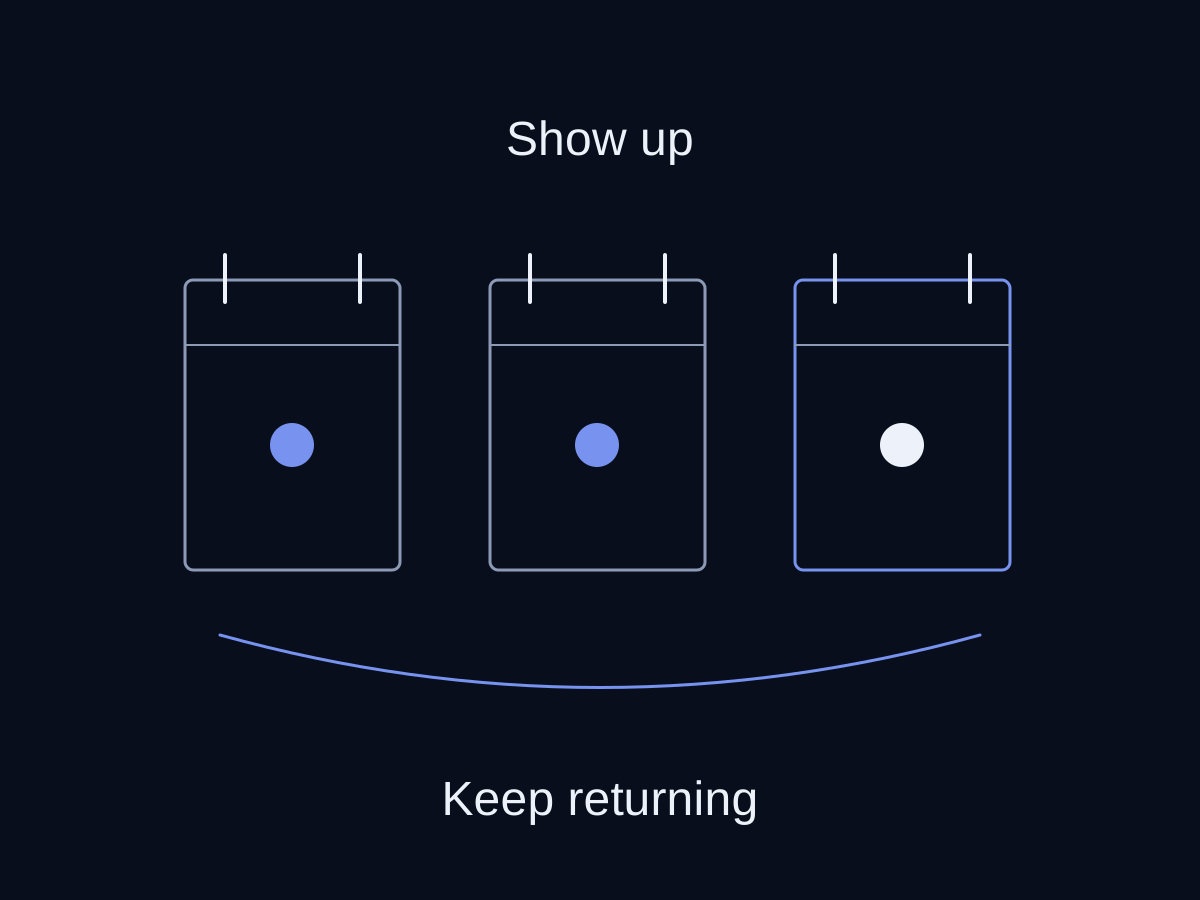
Showing up
Bring the habits of working life to your chosen work: show up, keep perspective and retain a sense of humour.
Collected note; exact source unconfirmed
Original handwriting ↗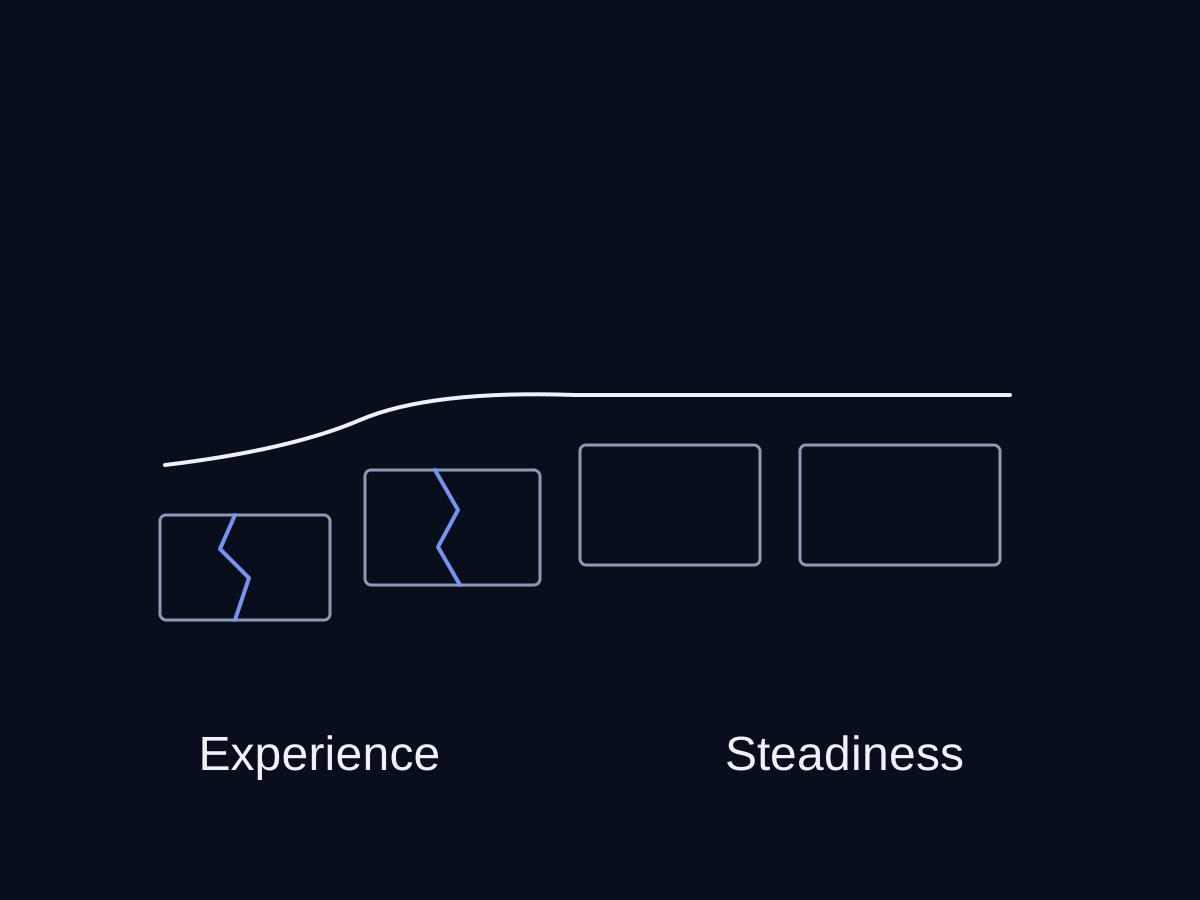
Real failures
Experience of failure can help you develop the steadiness of a professional.
Collected note; exact source unconfirmed
Original handwriting ↗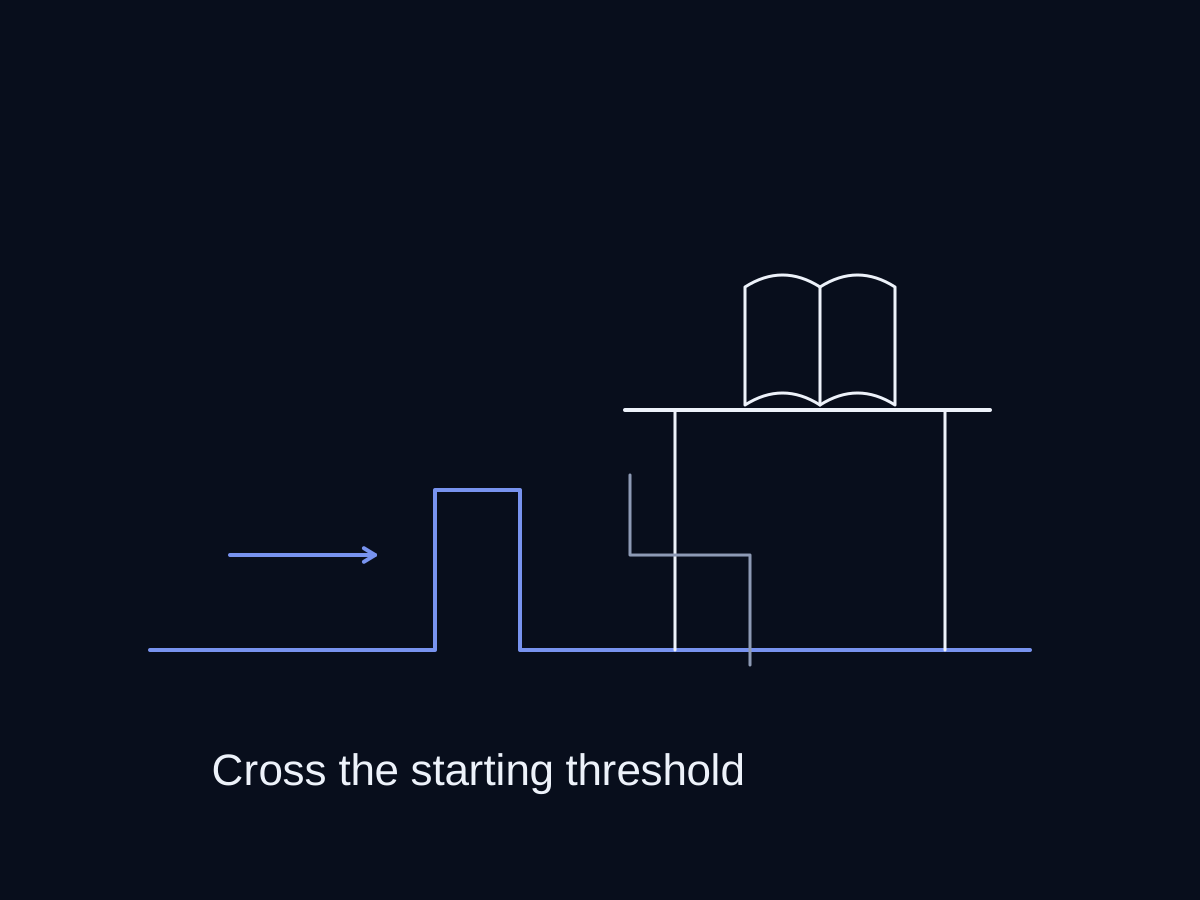
Sitting down to write
Beginning a writing session can be the hardest part. Pressfield calls the force that keeps us from sitting down resistance.
Reading note after Steven Pressfield, The War of Art
Original handwriting ↗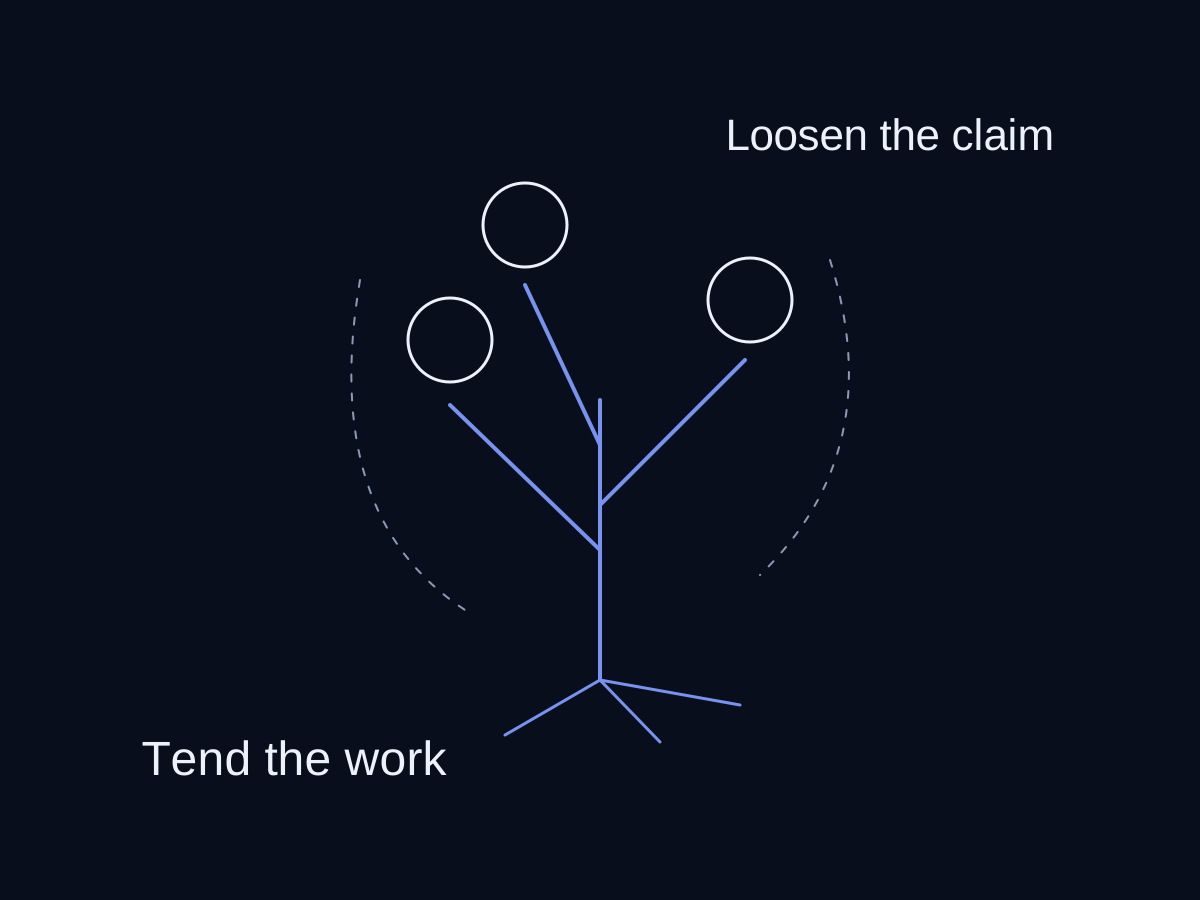
Labour and its fruit
Bhagavad Gita 2.47 directs attention to action while loosening the claim on its fruits. The card applies this to work and the anxiety attached to outcomes.
After Bhagavad Gita 2.47
Original handwriting ↗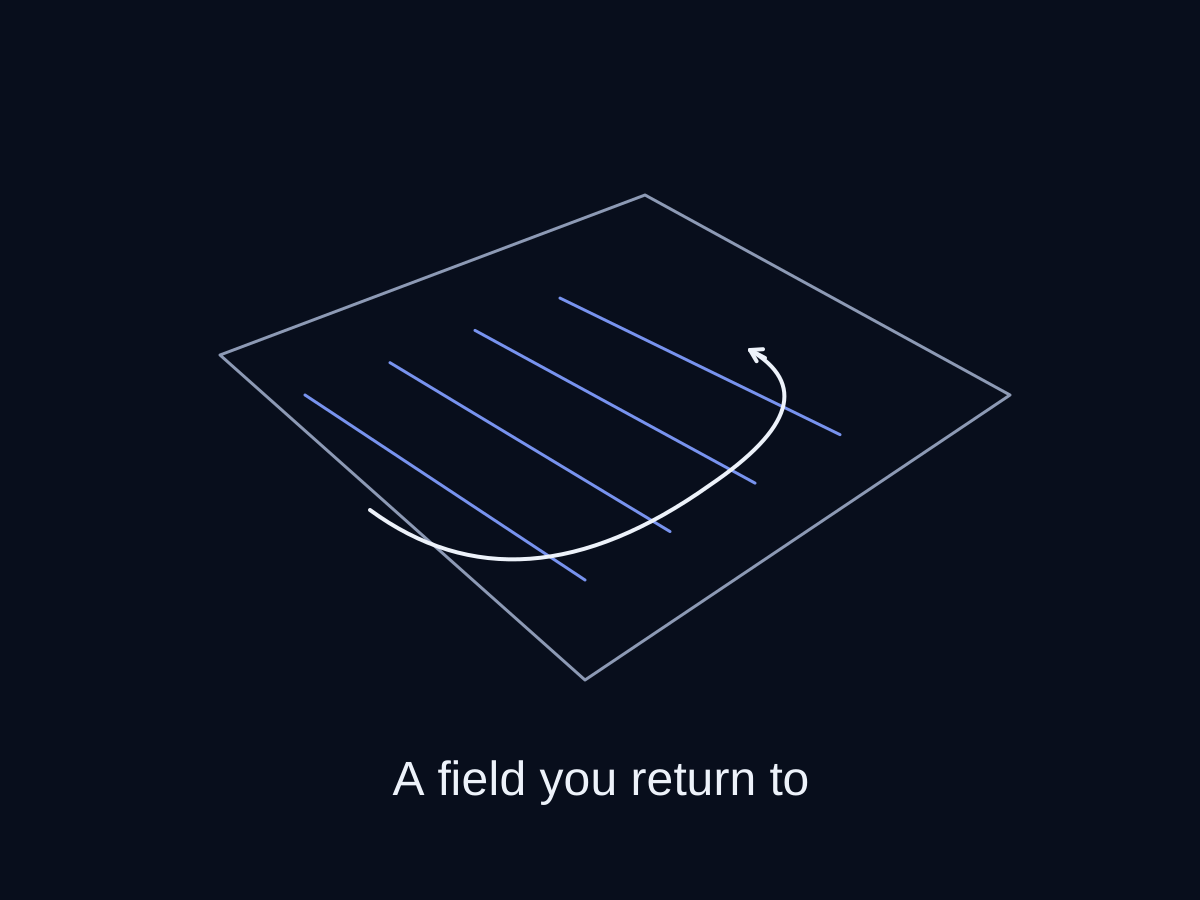
Territory
The card names a person's field of work as their territory: Stevie Wonder at the piano, Bill Gates at Microsoft.
Collected note related to Steven Pressfield’s territory concept
The final handwritten prompt remains unclear.
Original handwriting ↗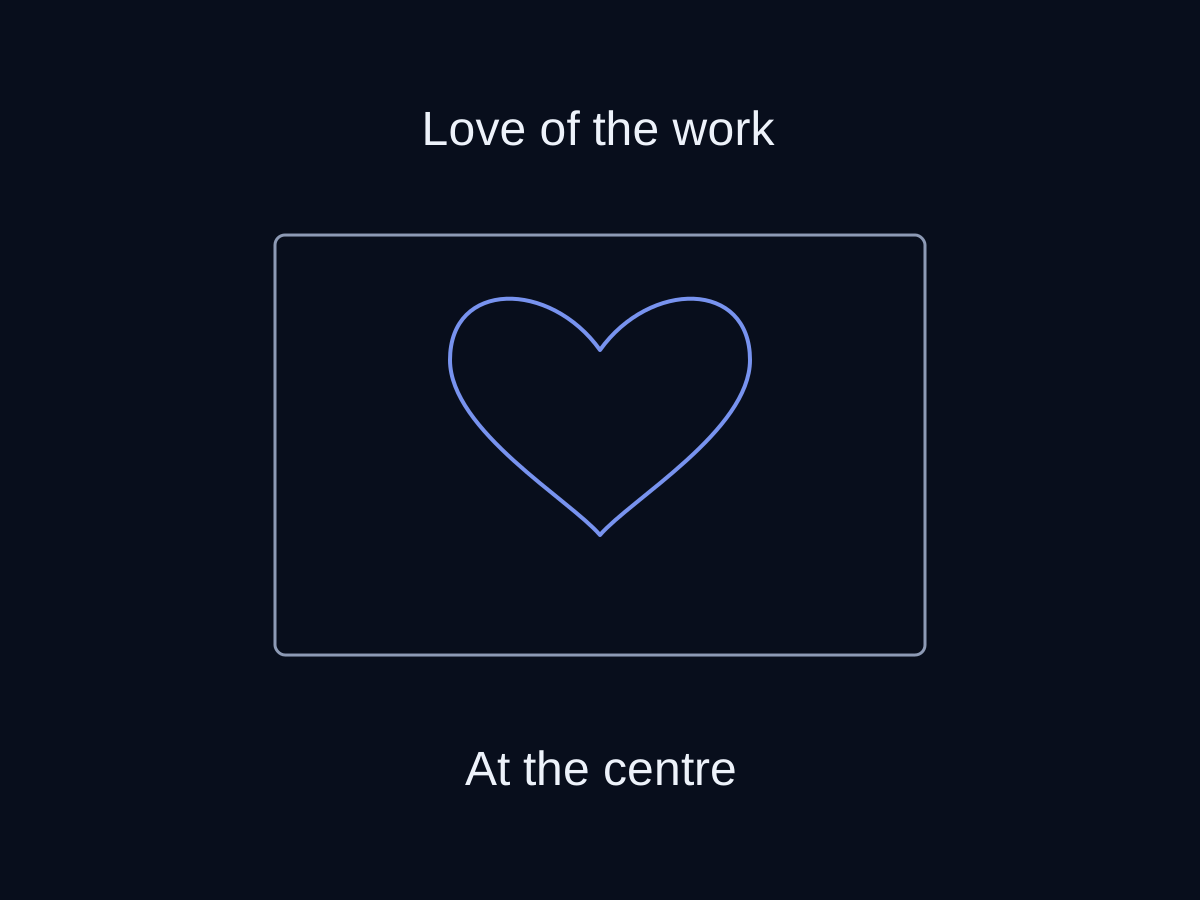
Love of the art
Let love of the work have a central place in why you do it.
Collected reading note; probable source: Steven Pressfield, The War of Art
Original handwriting ↗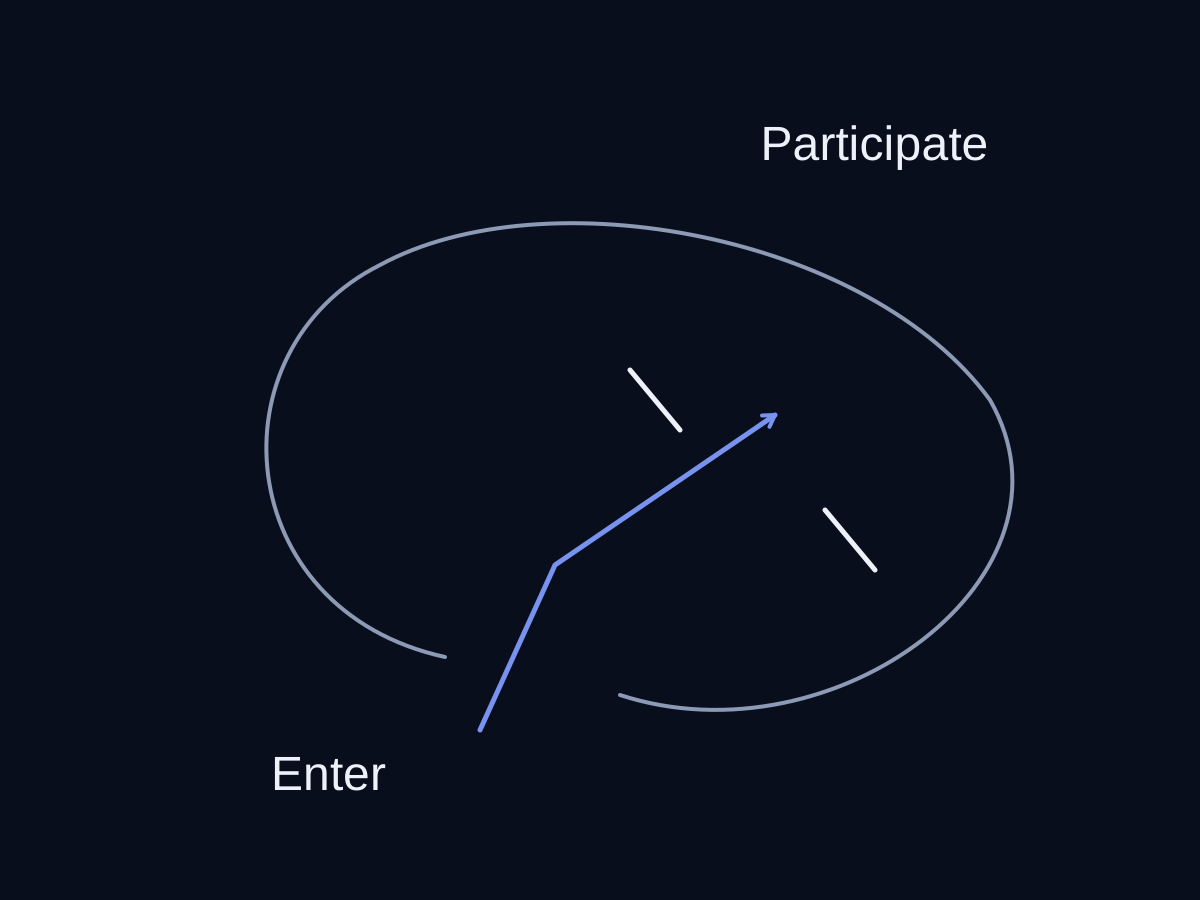
In the arena
Take part in the work and encounter its difficulties. The card uses the image of entering the arena and paying your dues.
Reading note after Steven Pressfield, The War of Art
Original handwriting ↗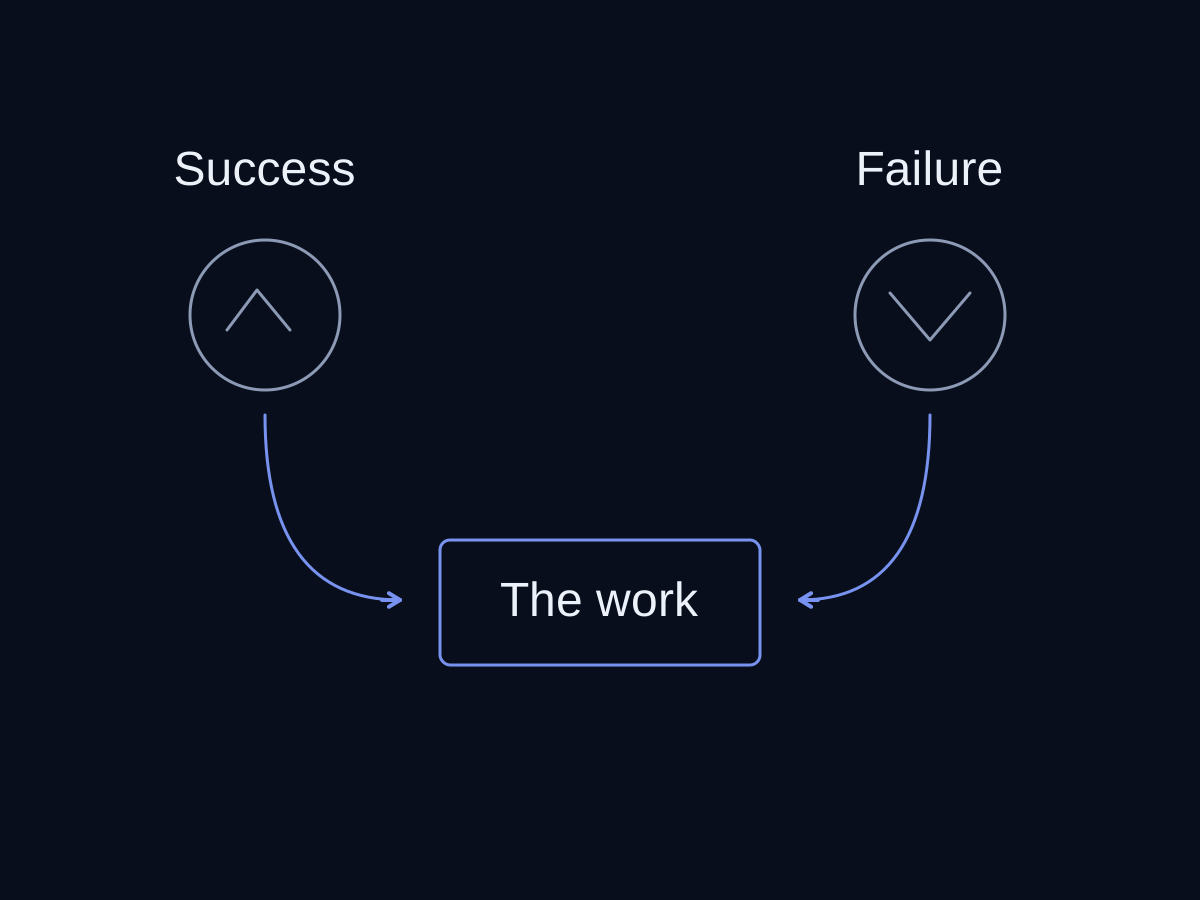
Success and failure
Keep success and failure from becoming your whole identity. Return to the work.
Reading note after Steven Pressfield, The War of Art
The final handwritten word is blurred. This edited reading draws on Pressfield’s verified discussion of taking success and failure personally.
Original handwriting ↗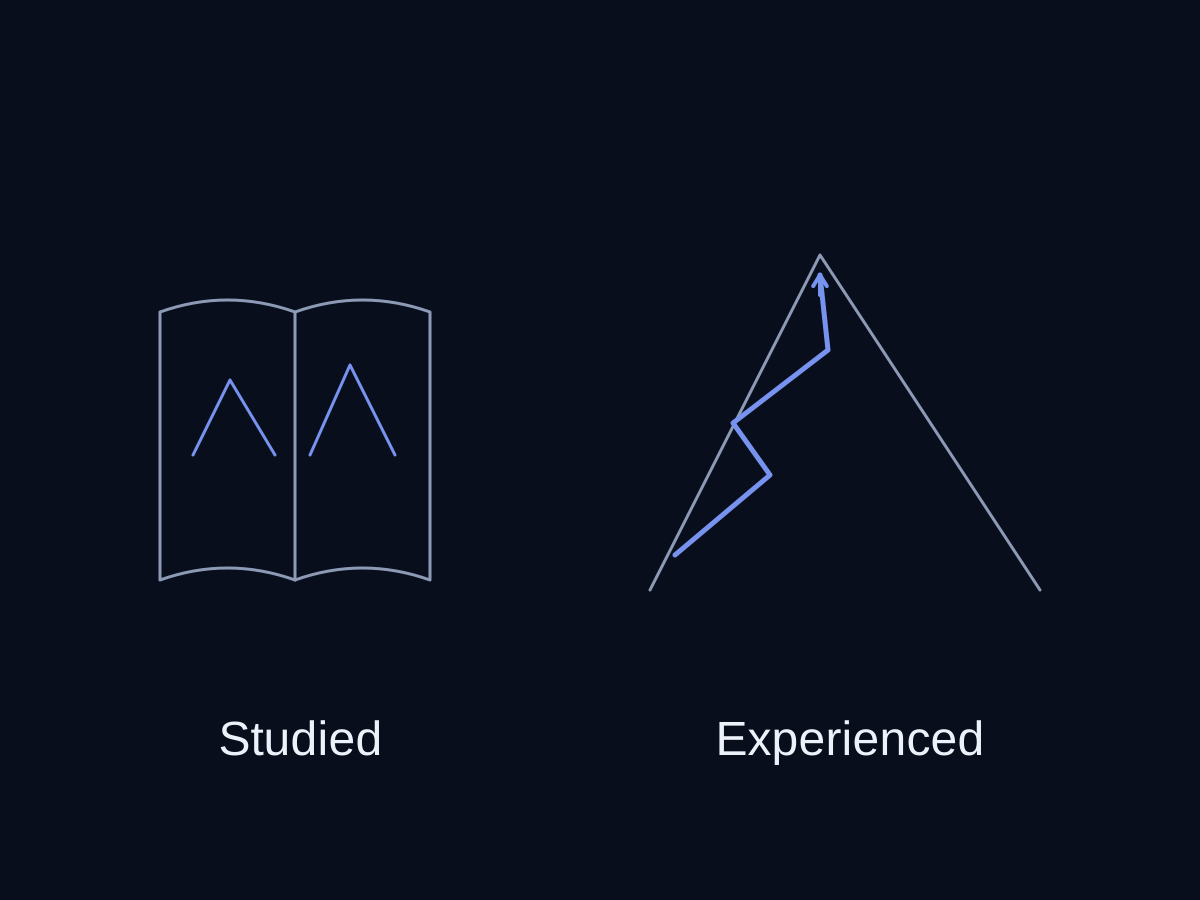
Living the warrior’s life
Studying a challenge and living through it give different kinds of understanding.
After Steven Pressfield, through fictional Telamon of Arcadia
Telamon of Arcadia is a fictional character used by Steven Pressfield. The edited reading preserves the contrast between studying and experiencing a challenge.
Original handwriting ↗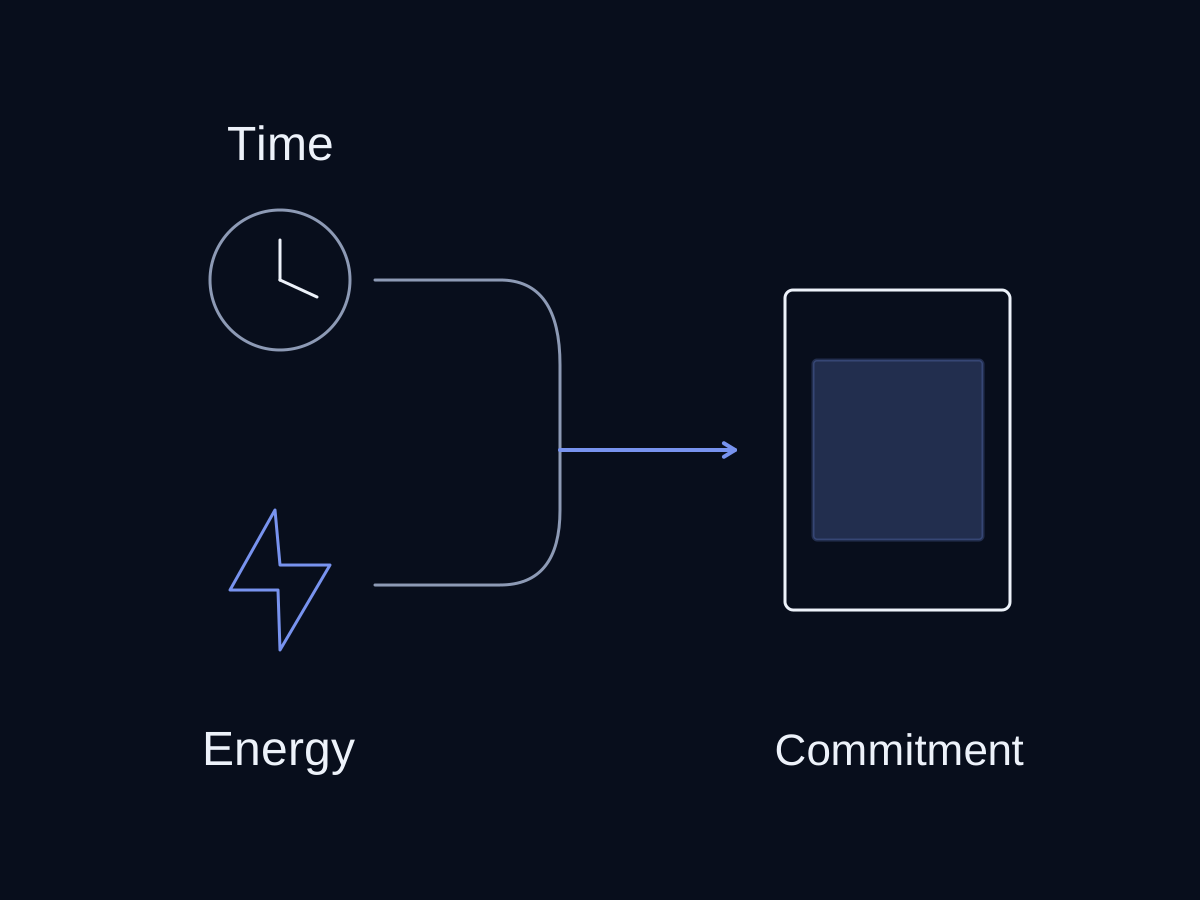
Full-time commitment
Give the work a committed place in your life. Put time and energy behind what you want to do.
Reading note after Steven Pressfield, The War of Art
Original handwriting ↗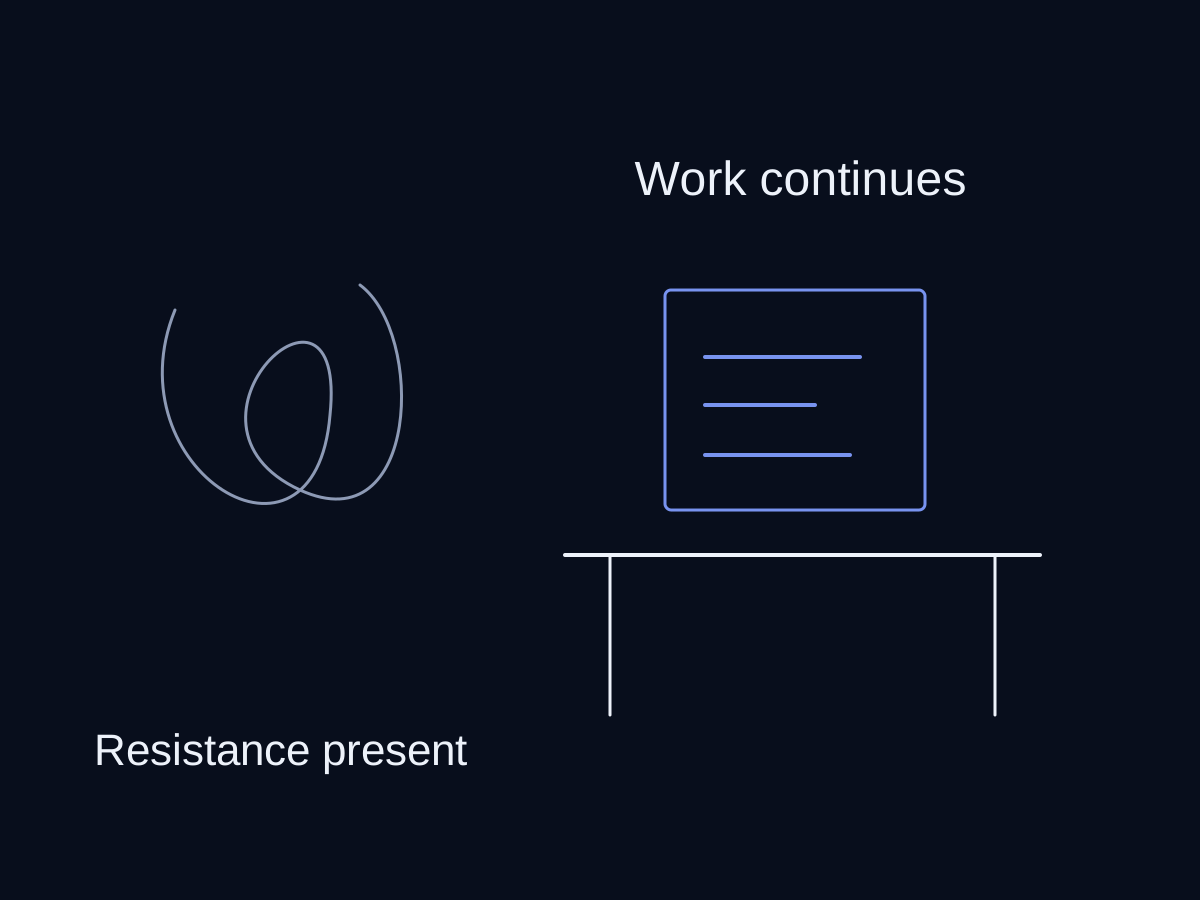
Sit down and work
Sit down and do the work, even while resistance is present.
After Steven Pressfield, discussing Somerset Maugham
Original handwriting ↗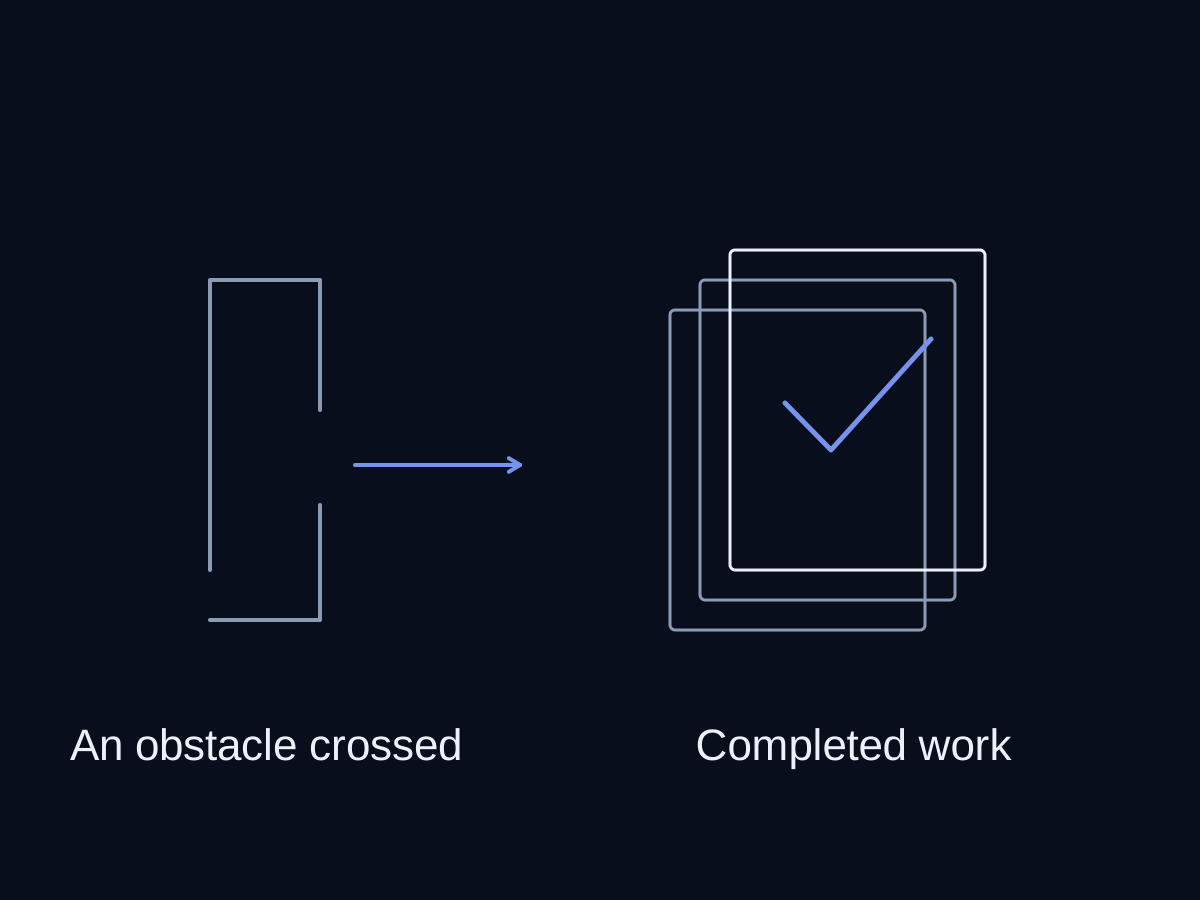
Beating resistance
The existence of completed work shows that resistance can be overcome.
Reading note after Steven Pressfield, The War of Art
Original handwriting ↗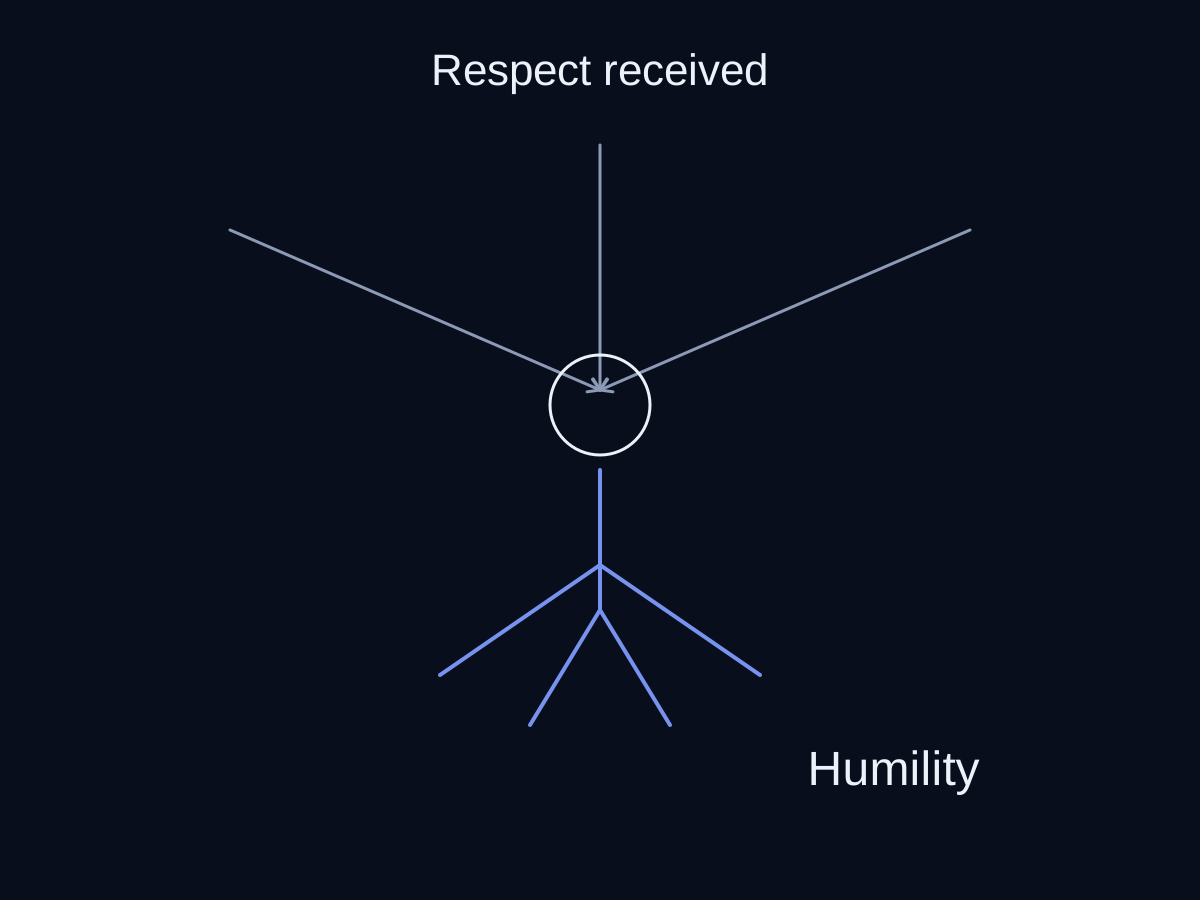
Respect and humility
Let the respect shown to you become a reason for humility.
Collected note
Original handwriting ↗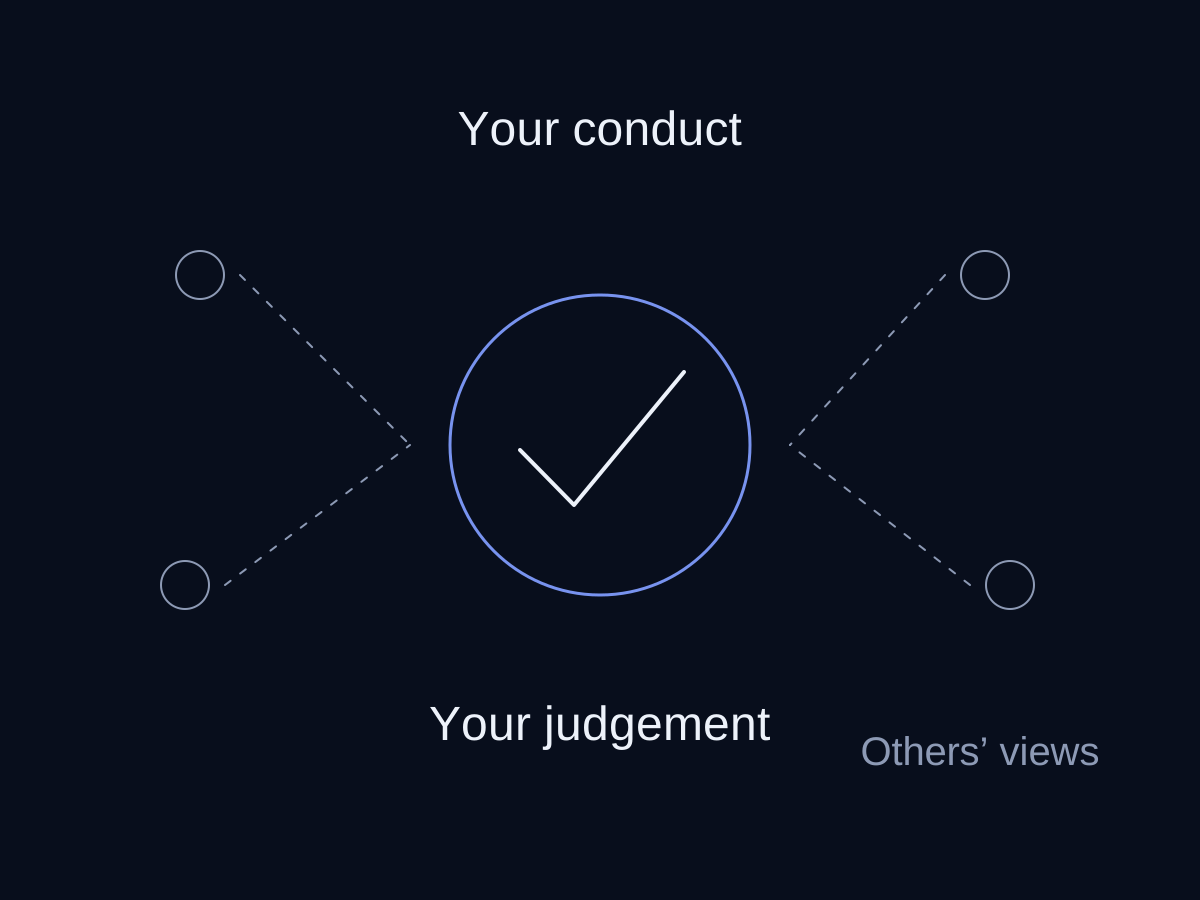
Judging yourself
Examine your own conduct when judging approval, disapproval and responsibility. Giving other people complete authority over that judgement gives them power over you.
After Daily Stoic, Blame Yourself or No One
Original handwriting ↗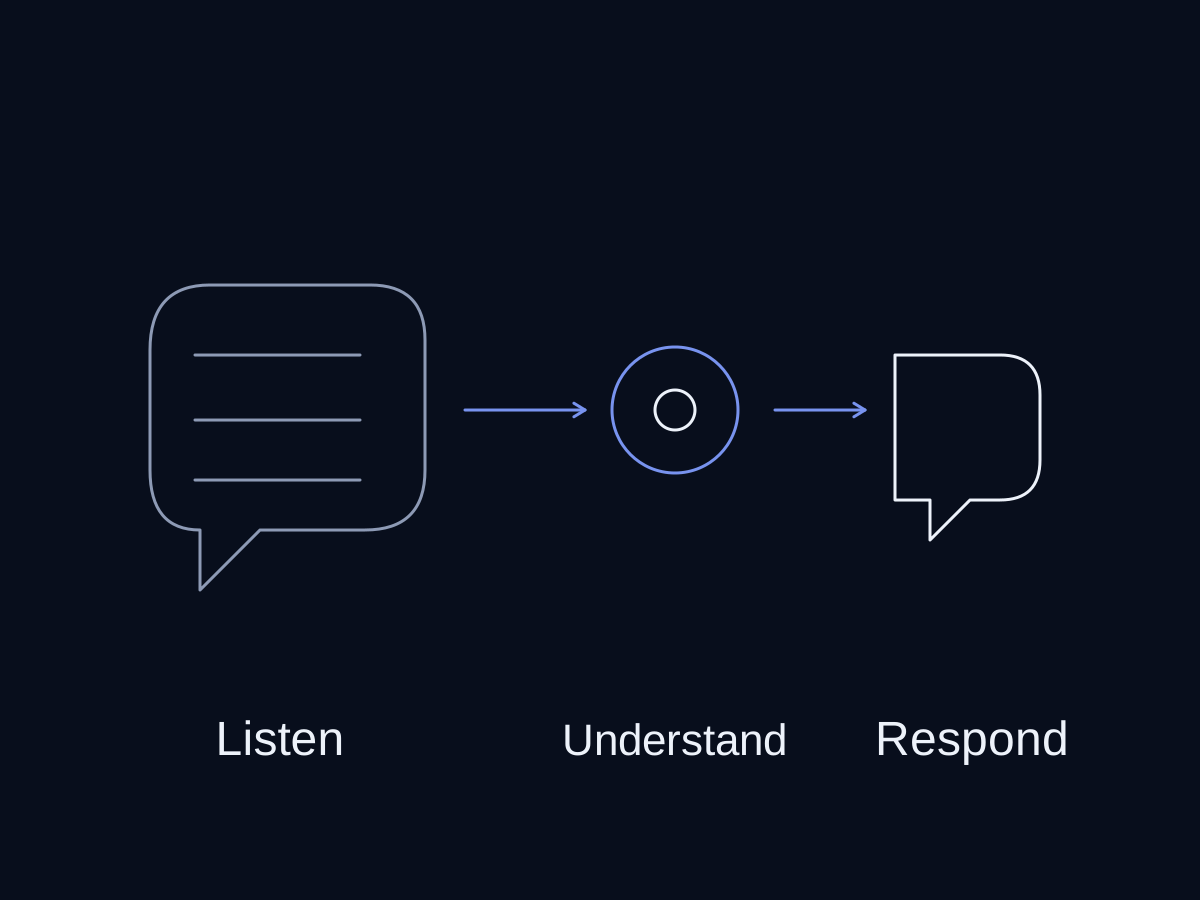
Listen to understand
Listen to understand. Give attention to what is happening in the conversation. Let the present moment guide your response.
Collected note
Original handwriting ↗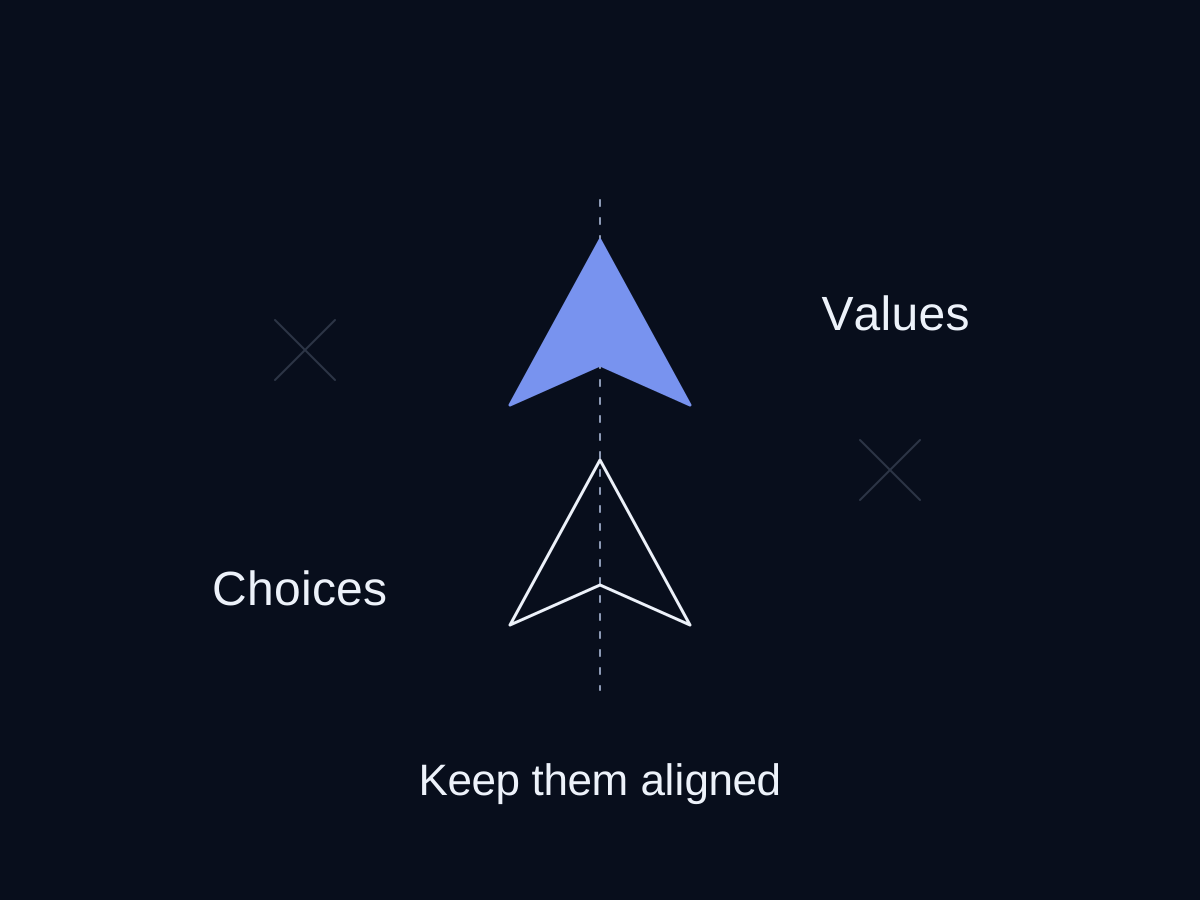
Be true to yourself
Be true to yourself.
William Shakespeare, Hamlet 1.3; spoken by Polonius
Original handwriting ↗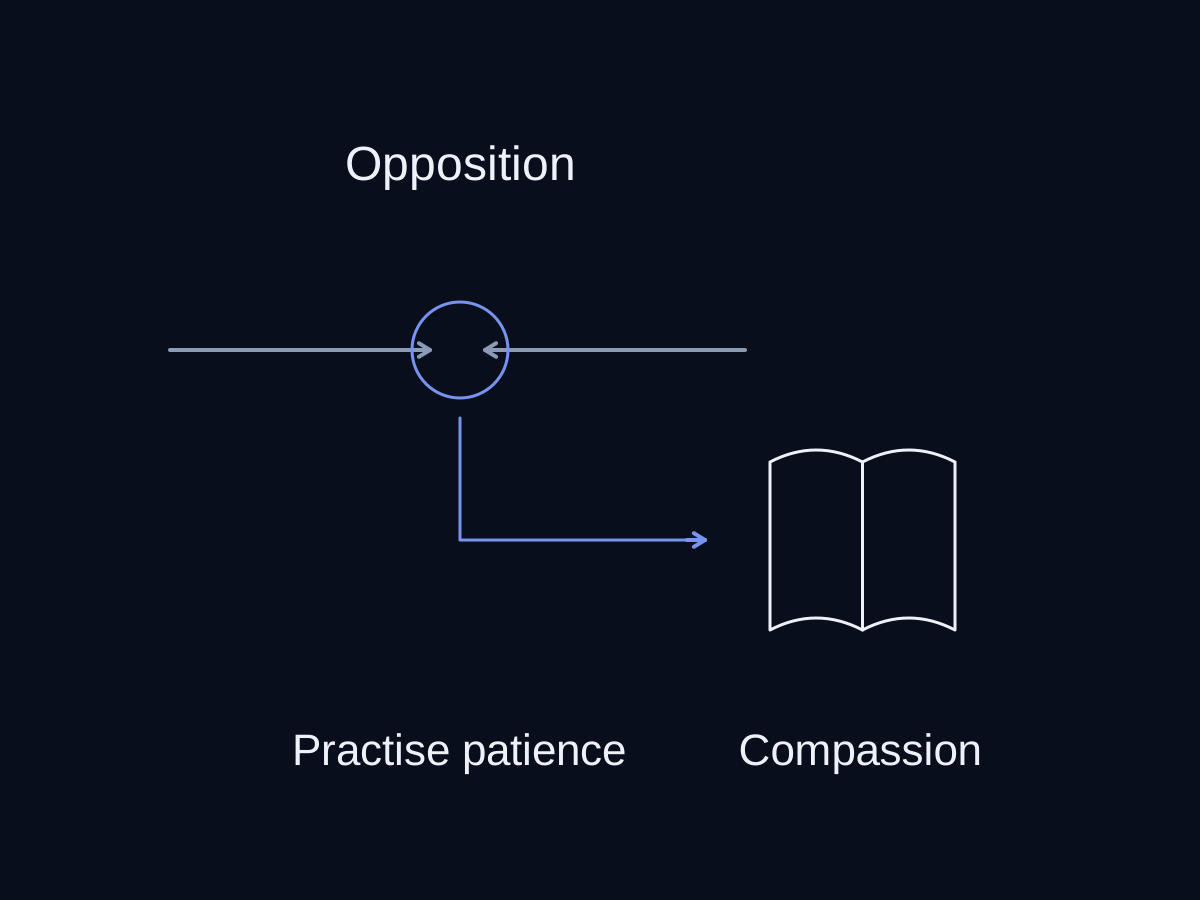
The enemy as teacher
An enemy can become a teacher, giving you an opportunity to practise patience and compassion.
The 14th Dalai Lama, on compassion
Original handwriting ↗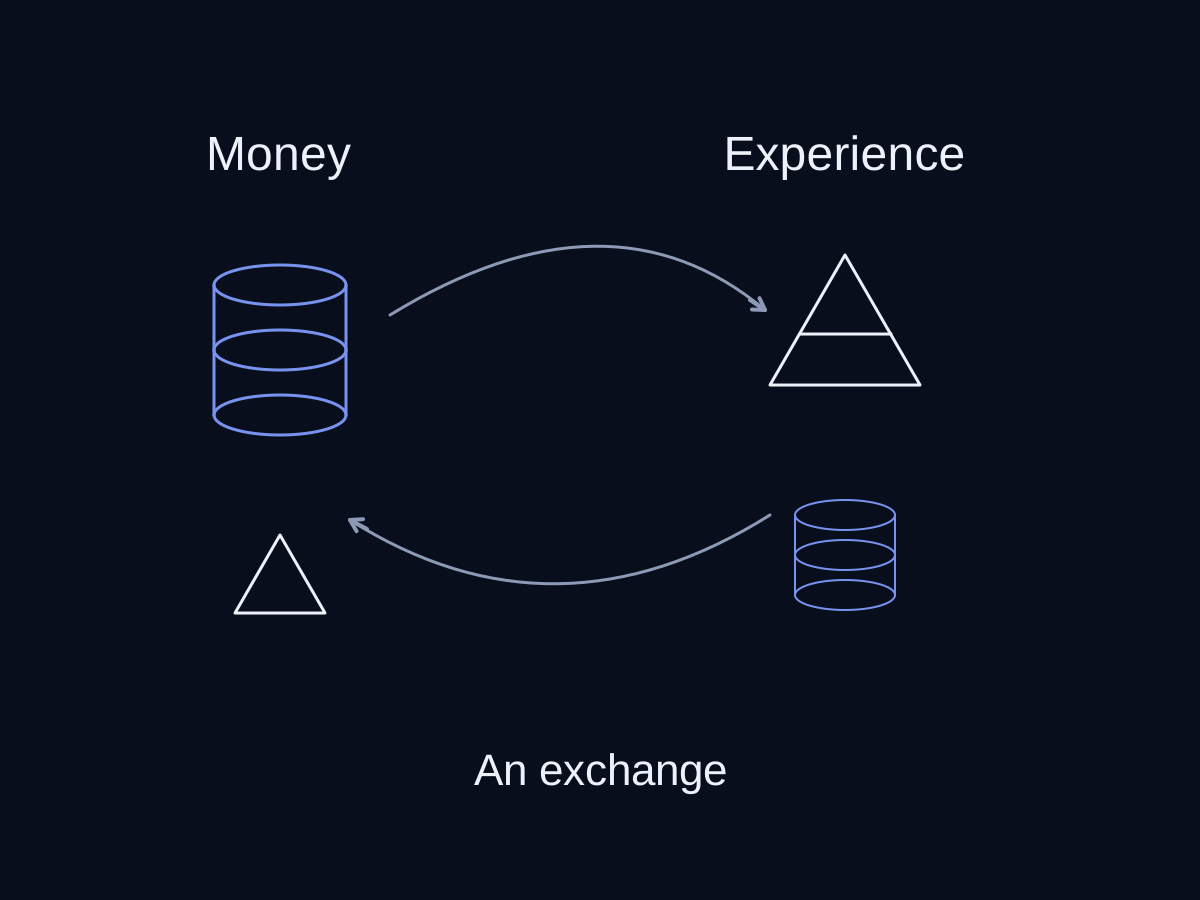
Money man
When a man of money meets a man of experience, the man with experience ends up with the money and the man of money ends up with experience.
Collected note
An unattributed aphorism from the collection.
Original handwriting ↗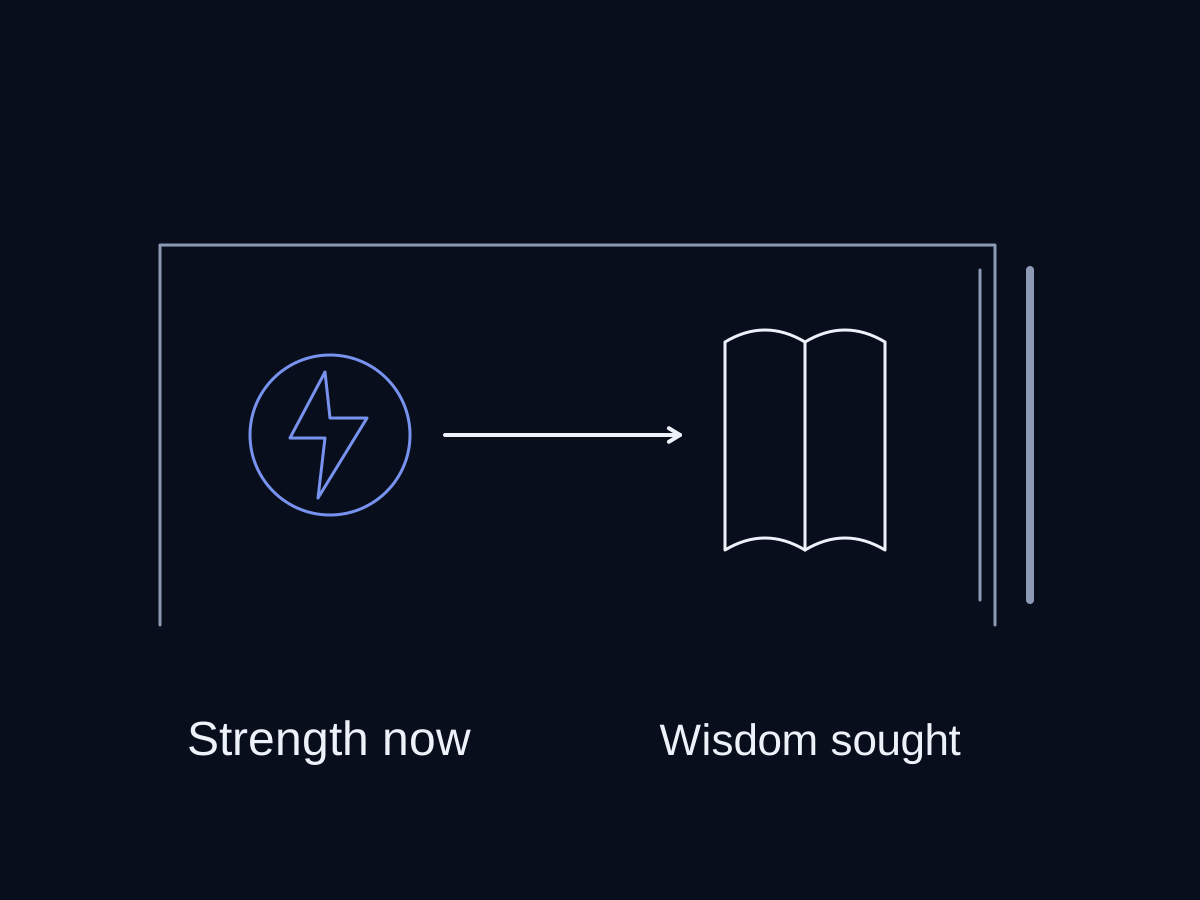
Seek wisdom while you have strength
“Seek wisdom whilst you have strength, or you may lose the strength without gaining wisdom.”
Collected note
An unattributed quotation from the collection.
Original handwriting ↗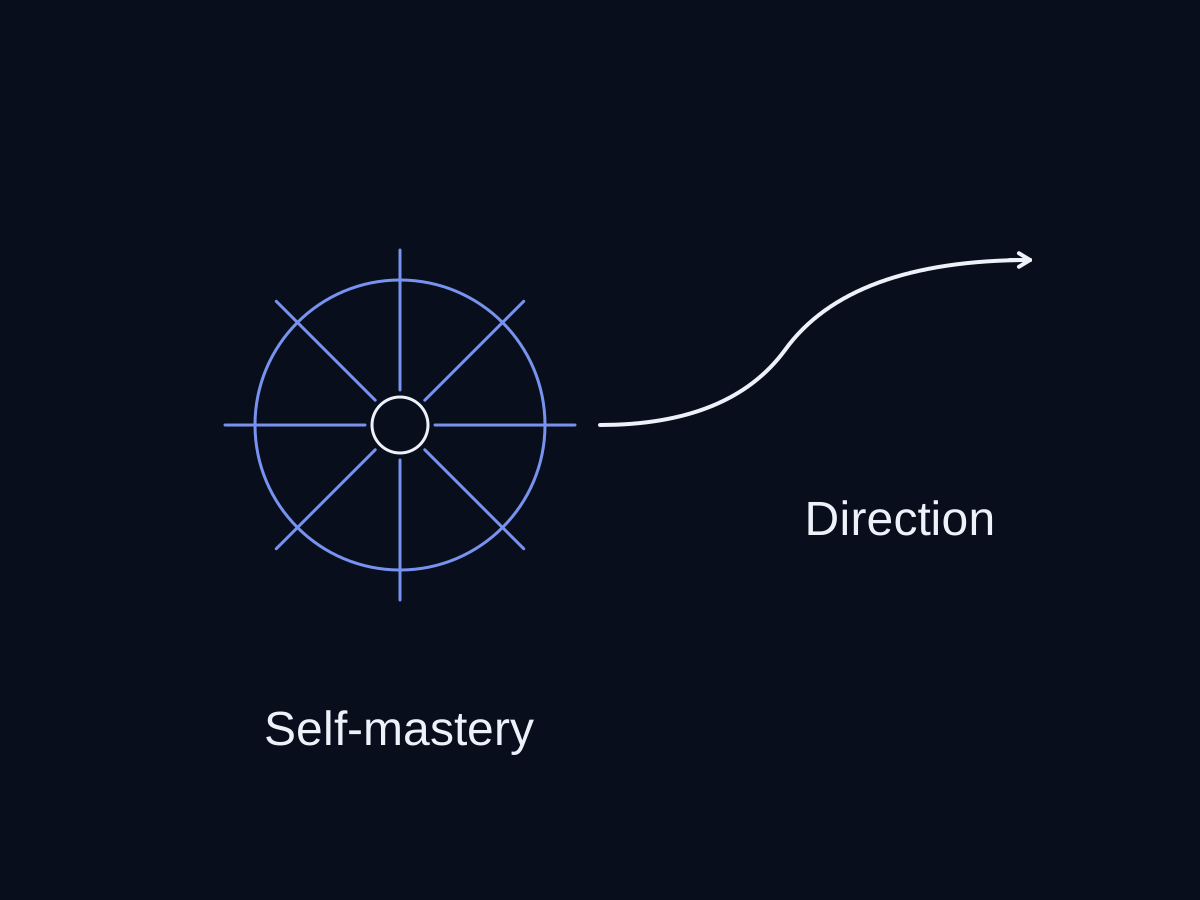
Govern yourself
Self-mastery gives you more freedom to direct your own life. Govern yourself.
Collected reading note; precise source unconfirmed
Original handwriting ↗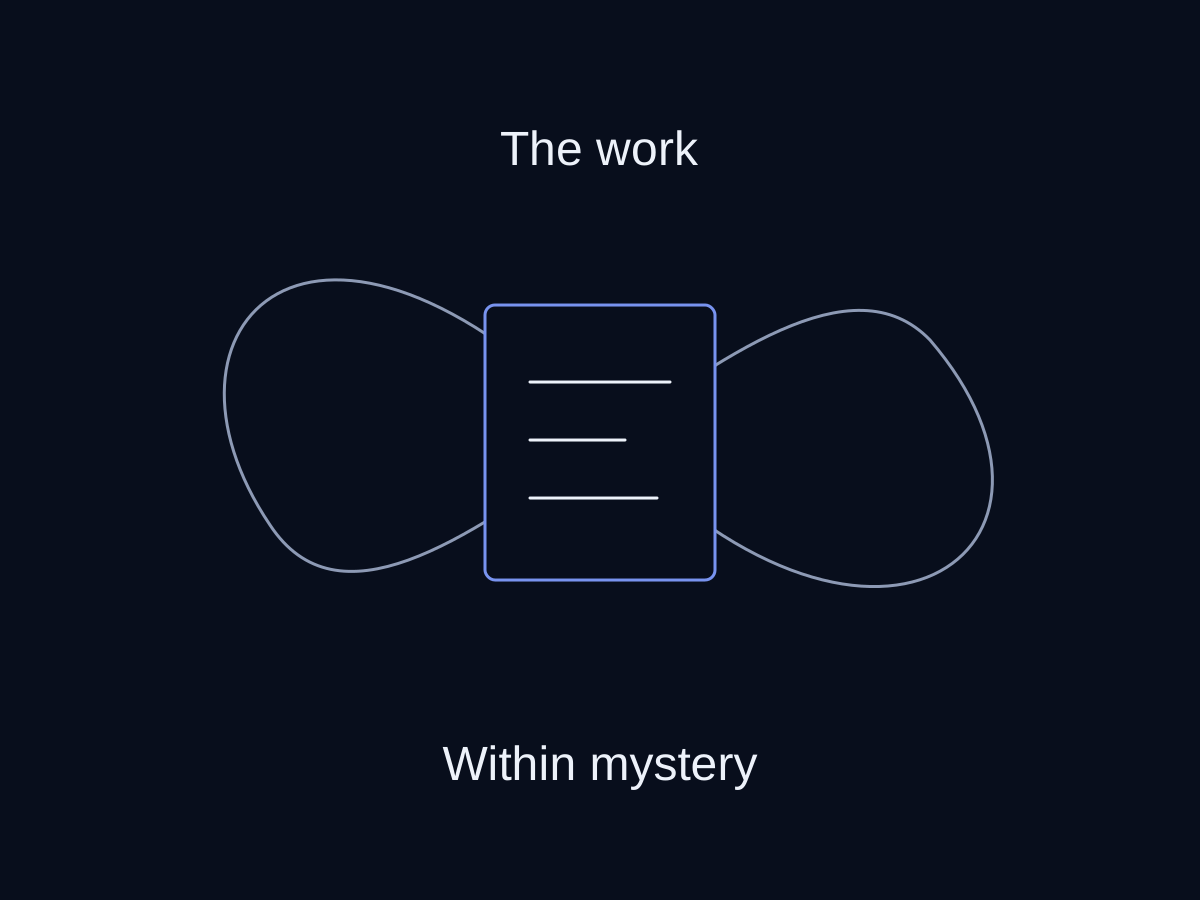
Work for the work
Work for the sake of the work. The card describes us as servants of mystery and agents of the infinite, with each breath and heartbeat coming from God.
Reading note after Steven Pressfield, The War of Art
A spiritual perspective in the reading notes.
Original handwriting ↗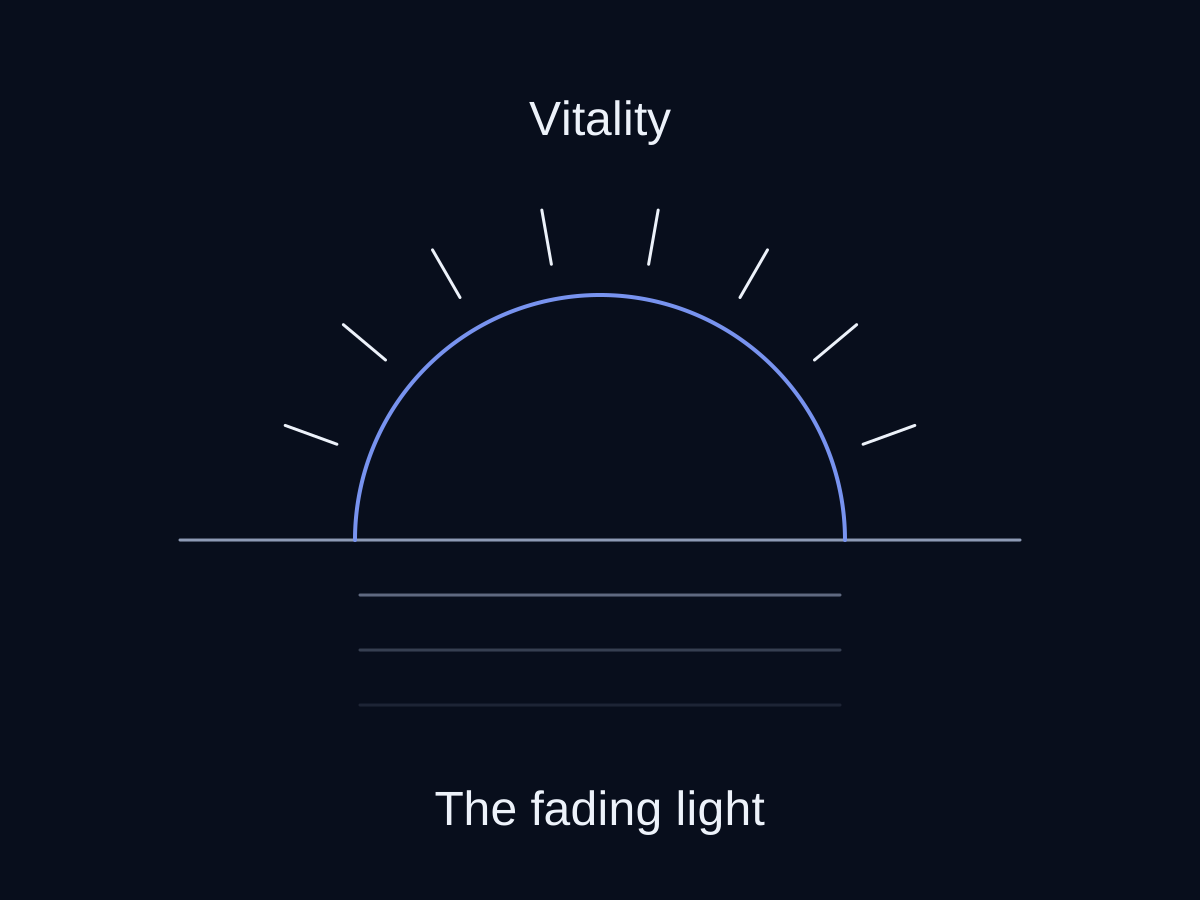
The dying of the light
Dylan Thomas urges the reader to meet the end of life with fierce vitality. The card preserves the opening stanza of his poem.
Dylan Thomas, Do not go gentle into that good night
The source scan clips part of the handwriting at the right edge. The edited reading summarises the poem.
Original handwriting ↗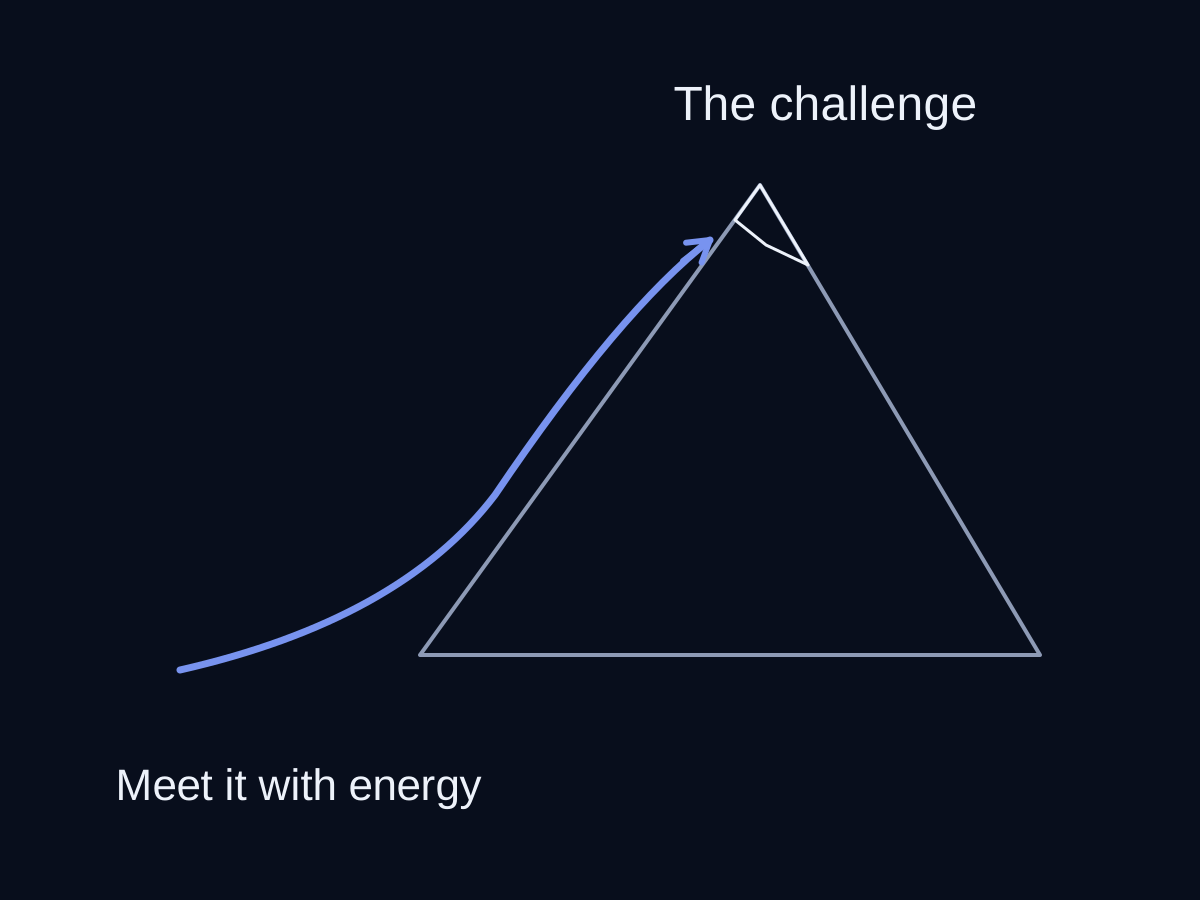
Bring me giants
Cyrano imagines meeting enormous challenges with enormous energy. The card keeps his cry for giants as an image of ambition.
After Edmond Rostand, Cyrano de Bergerac; Brian Hooker translation
Original handwriting ↗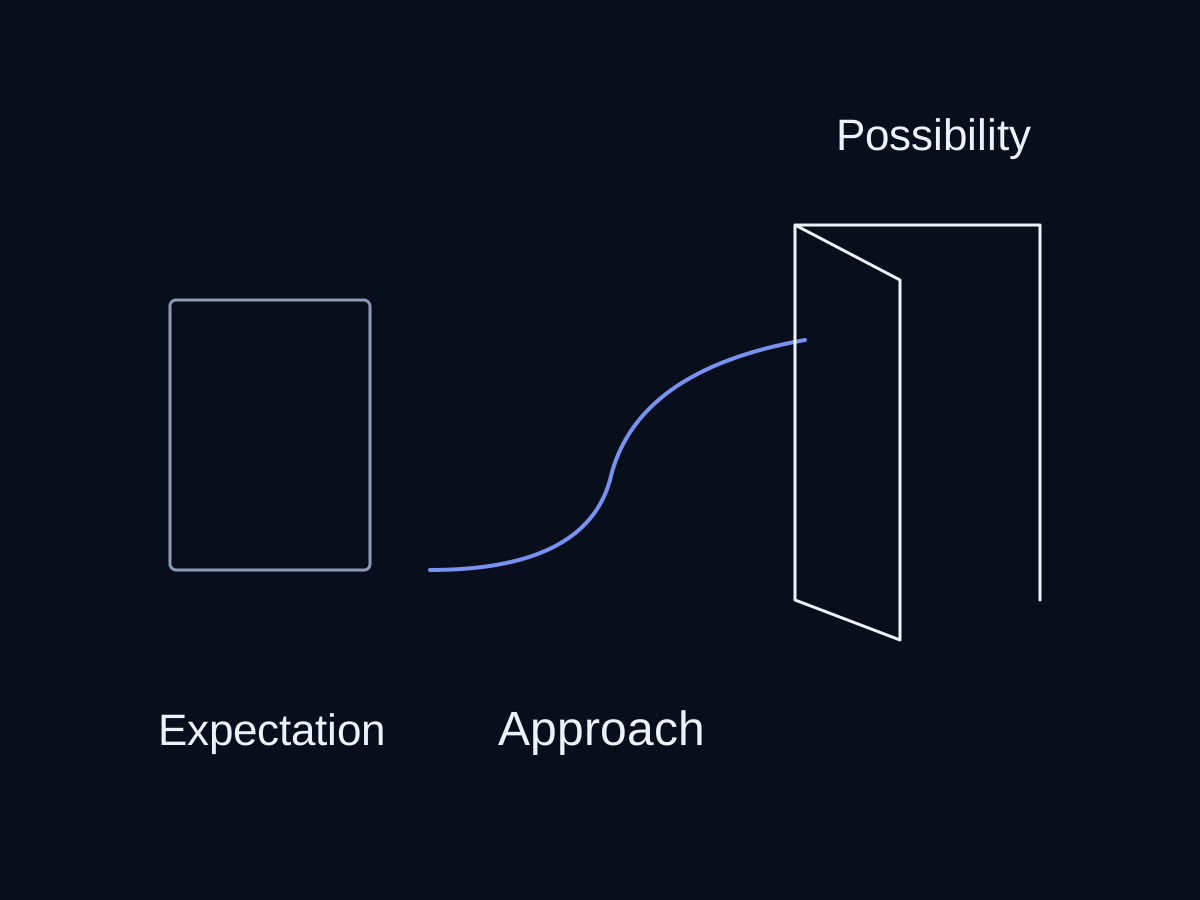
Belief and change
Coelho describes belief as changing how a person meets life: expecting possibility, love and change can shape the experience of moving towards them.
Paulo Coelho, Believing without fear
Coelho’s spiritual perspective on belief.
Original handwriting ↗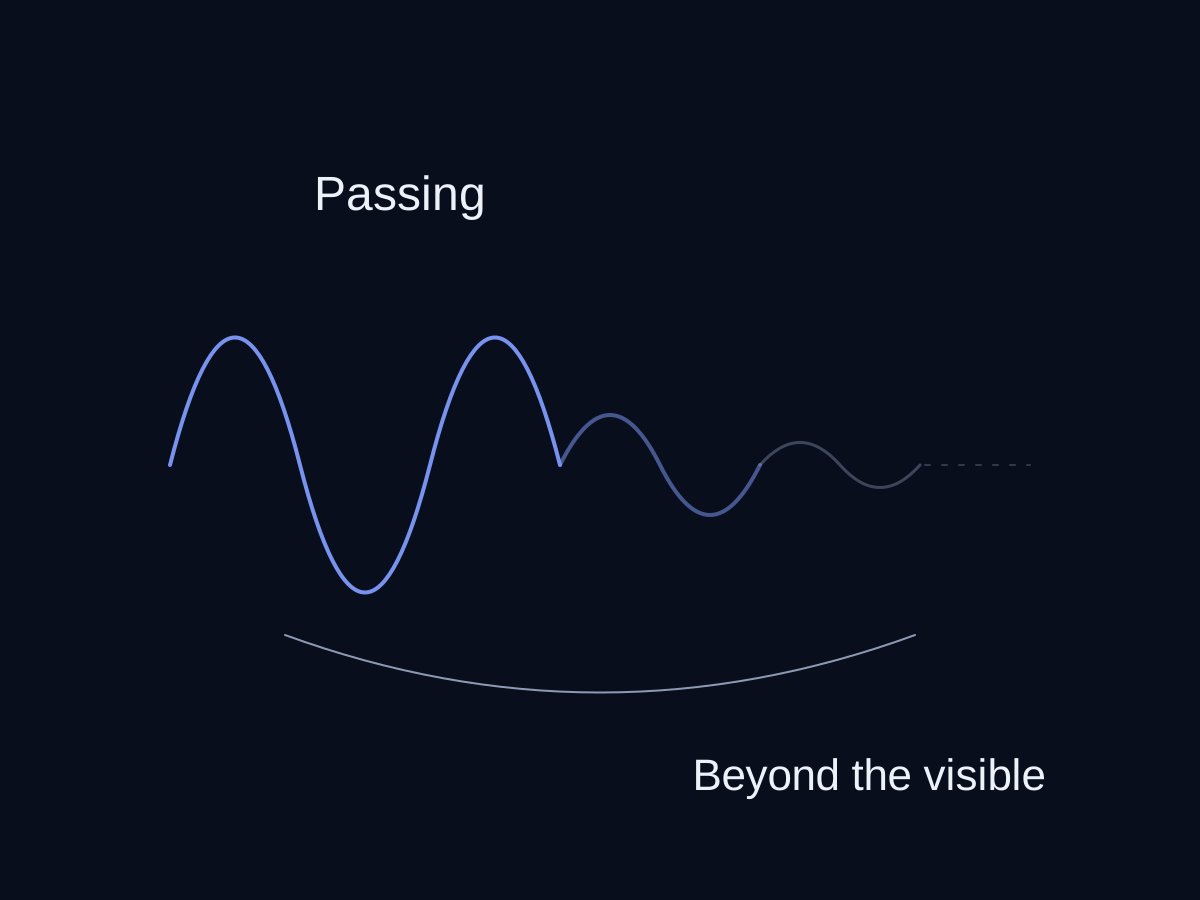
Pain and death
Pain is temporary and death is an illusion.
Collected note
A metaphysical assertion preserved from the card.
Original handwriting ↗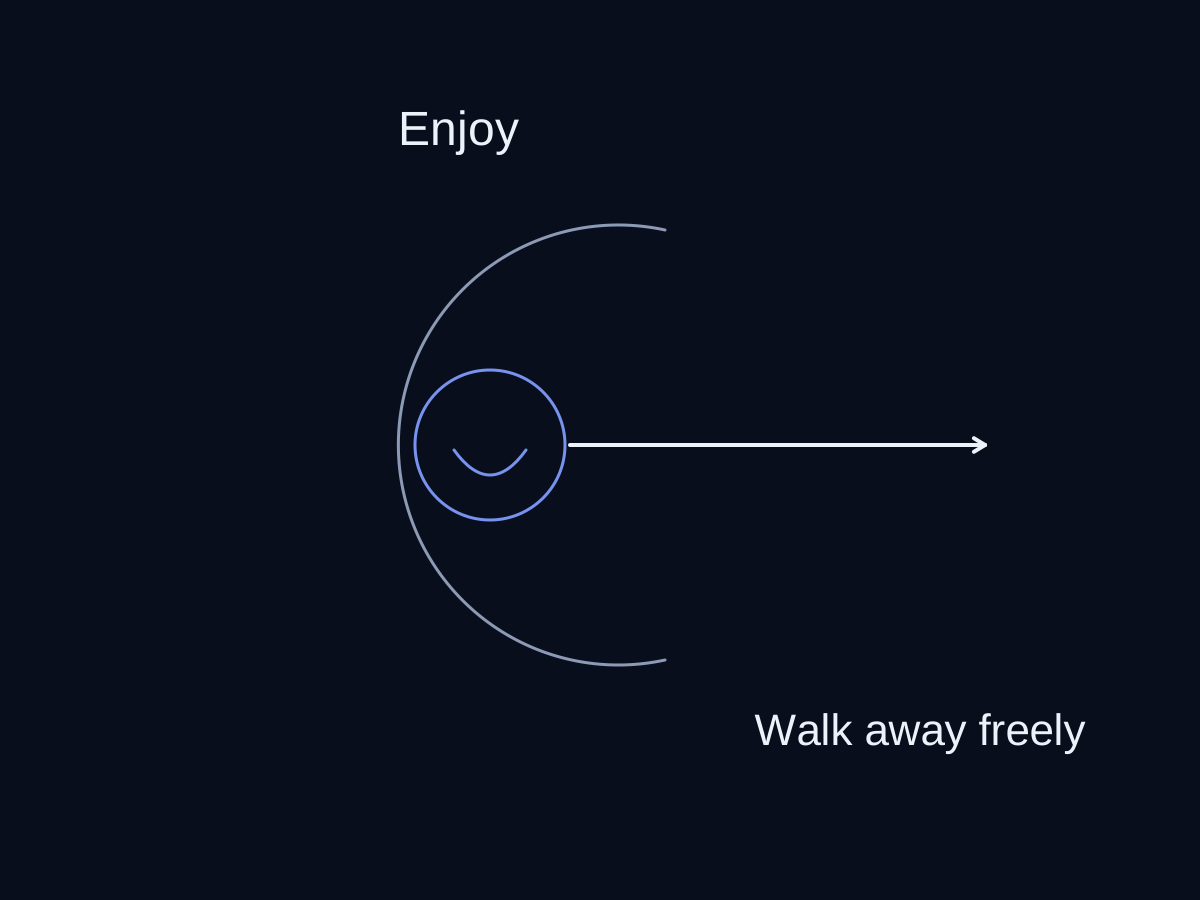
Enjoyment and freedom
Enjoyment and freedom can coexist. A warrior can enjoy pleasures and still be able to walk away from them. Self-denial alone can become another source of pride.
Collected note
Original handwriting ↗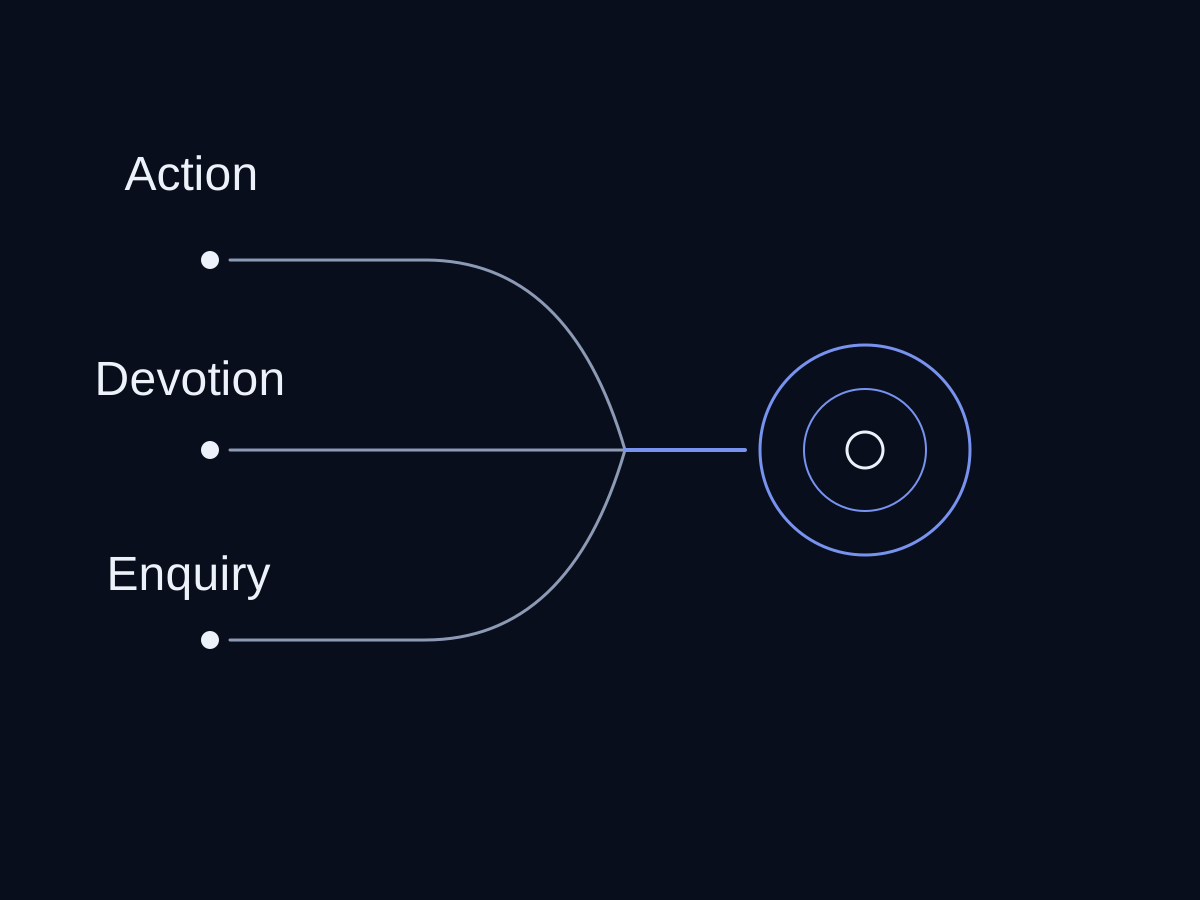
Paths towards meditation
The card links action, devotion and enquiry with contemplation. It gives two reminders: work with less attachment to the result, and love with less attachment.
Collected note
The source names karma yoga, bhakti yoga and jnana yoga.
Original handwriting ↗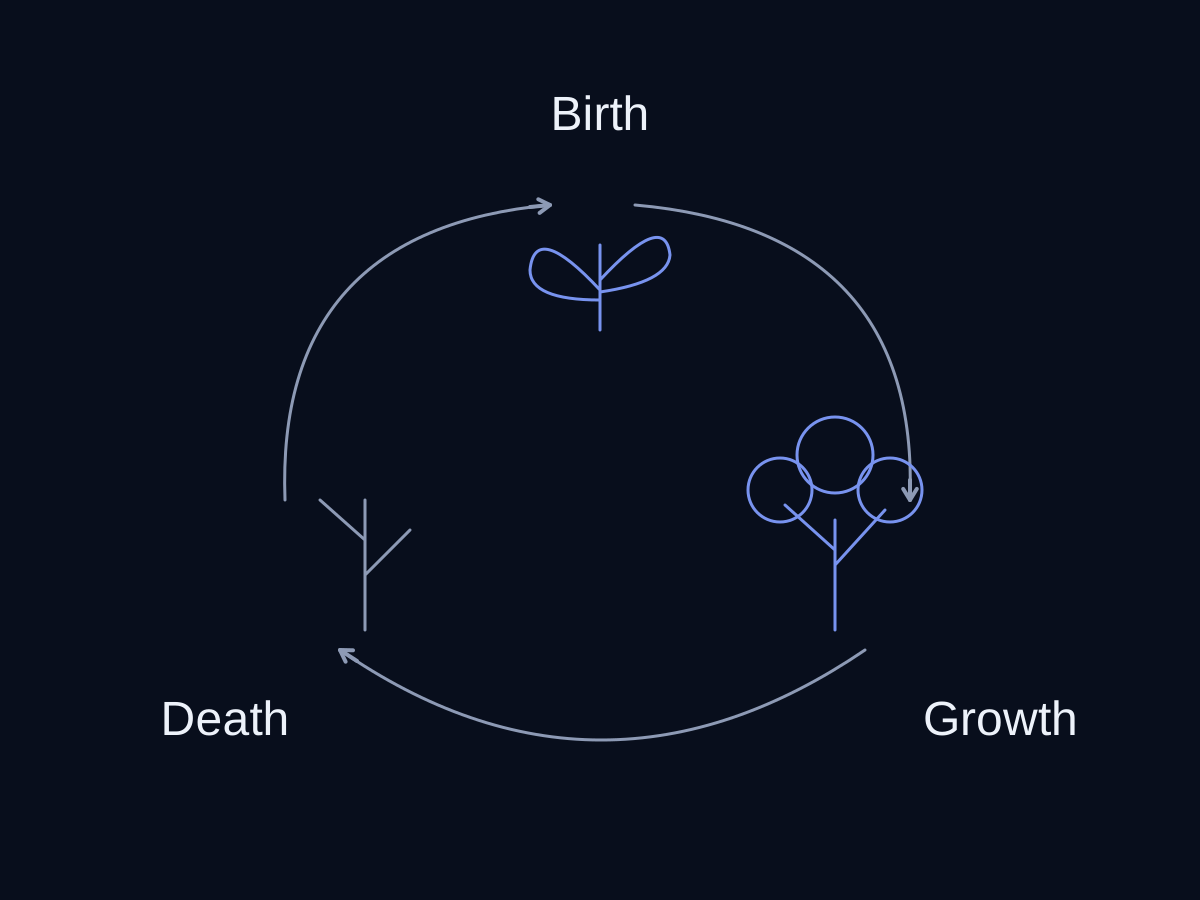
Attachment and the experience of life
Attachment to outcomes can dull the experience of life. The card places this beside a simple cycle: birth, growth and death, like the seasons.
Collected note
Original handwriting ↗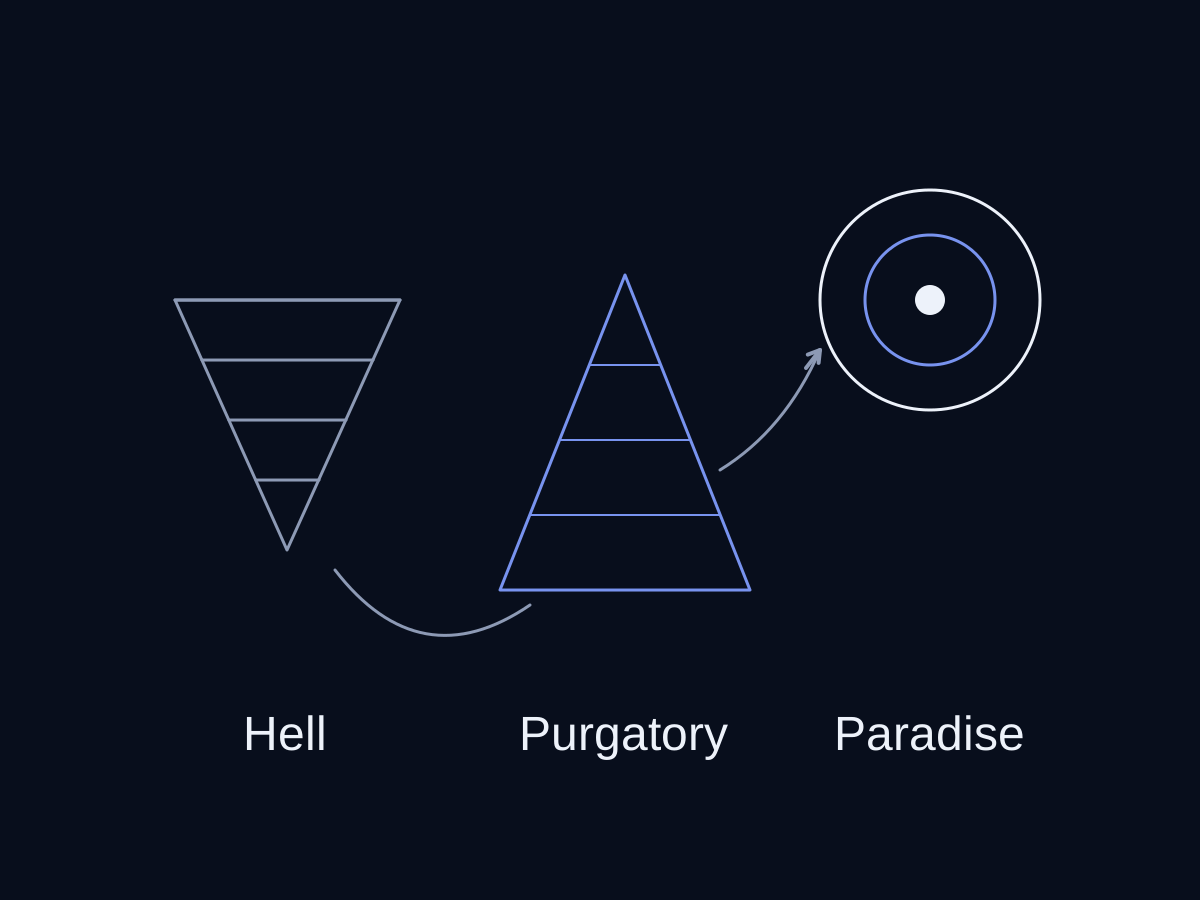
Dante’s Divine Comedy
Dante's Divine Comedy moves through Hell, Purgatory and Paradise. The Empyrean belongs within Paradise.
The card also lists seven sins: gluttony, lust, greed, sloth, pride, wrath and envy. Alongside them sit four virtues: prudence, temperance, courage and justice.
Reading notes on Dante, Divine Comedy
Original handwriting ↗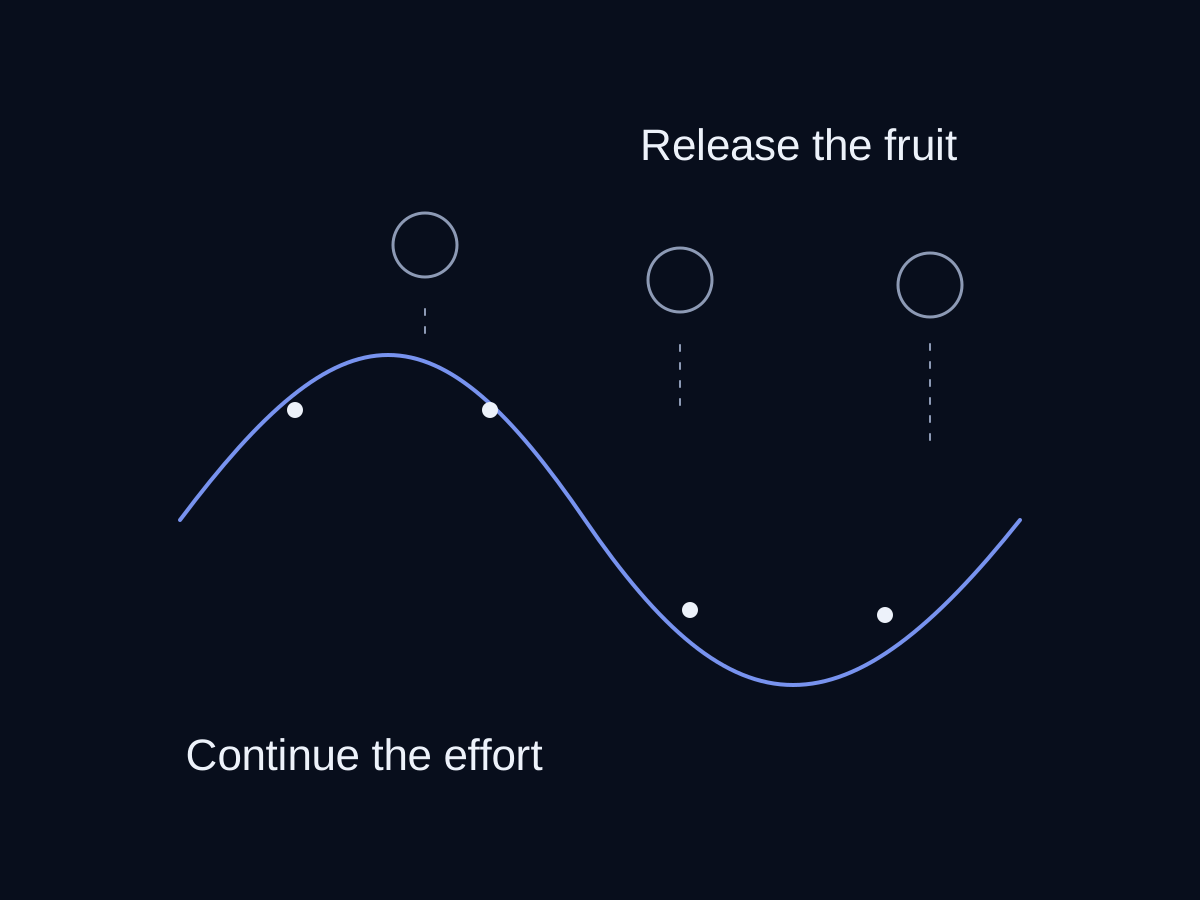
Action and renunciation
Act throughout life. Undertake the effort while loosening attachment to its fruits.
Collected note
Original handwriting ↗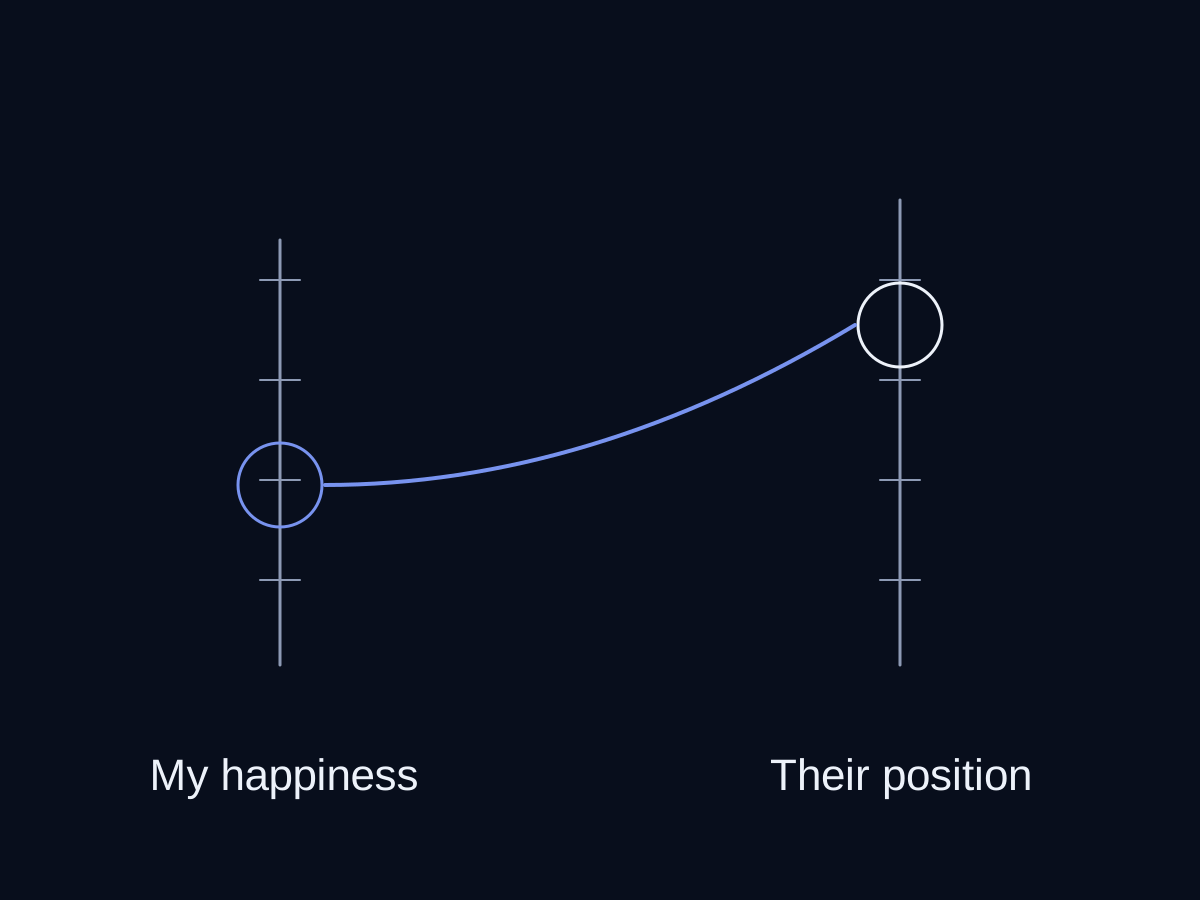
Comparison
Notice when your happiness depends on comparison with other people.
Reading note after Steven Pressfield, The War of Art
The claim about Van Gogh’s lifetime sales in the handwritten card is inaccurate. The edited reading focuses on comparison.
Original handwriting ↗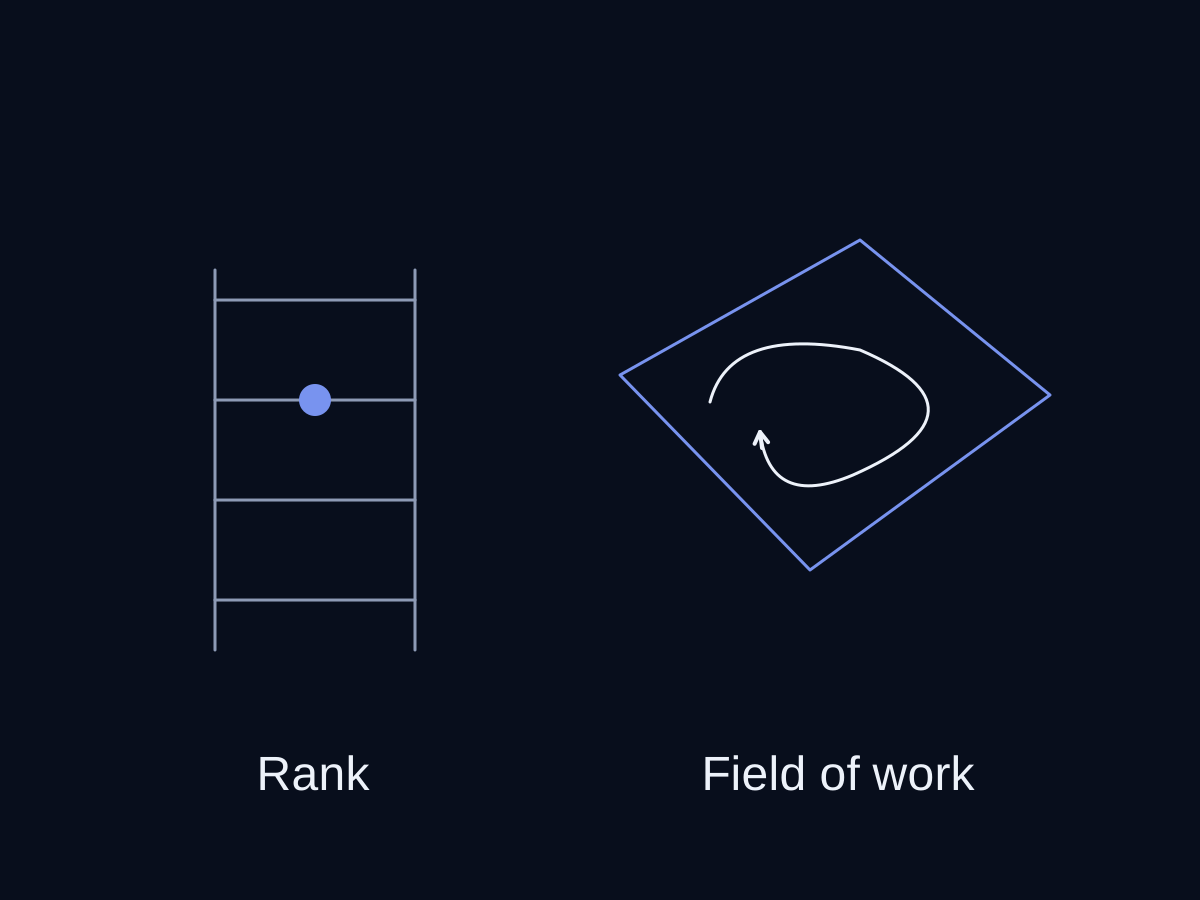
Hierarchy and territory
A hierarchy asks where you rank among other people. A territory centres on the work you return to and the field you develop.
Reading note after Steven Pressfield, The War of Art
Original handwriting ↗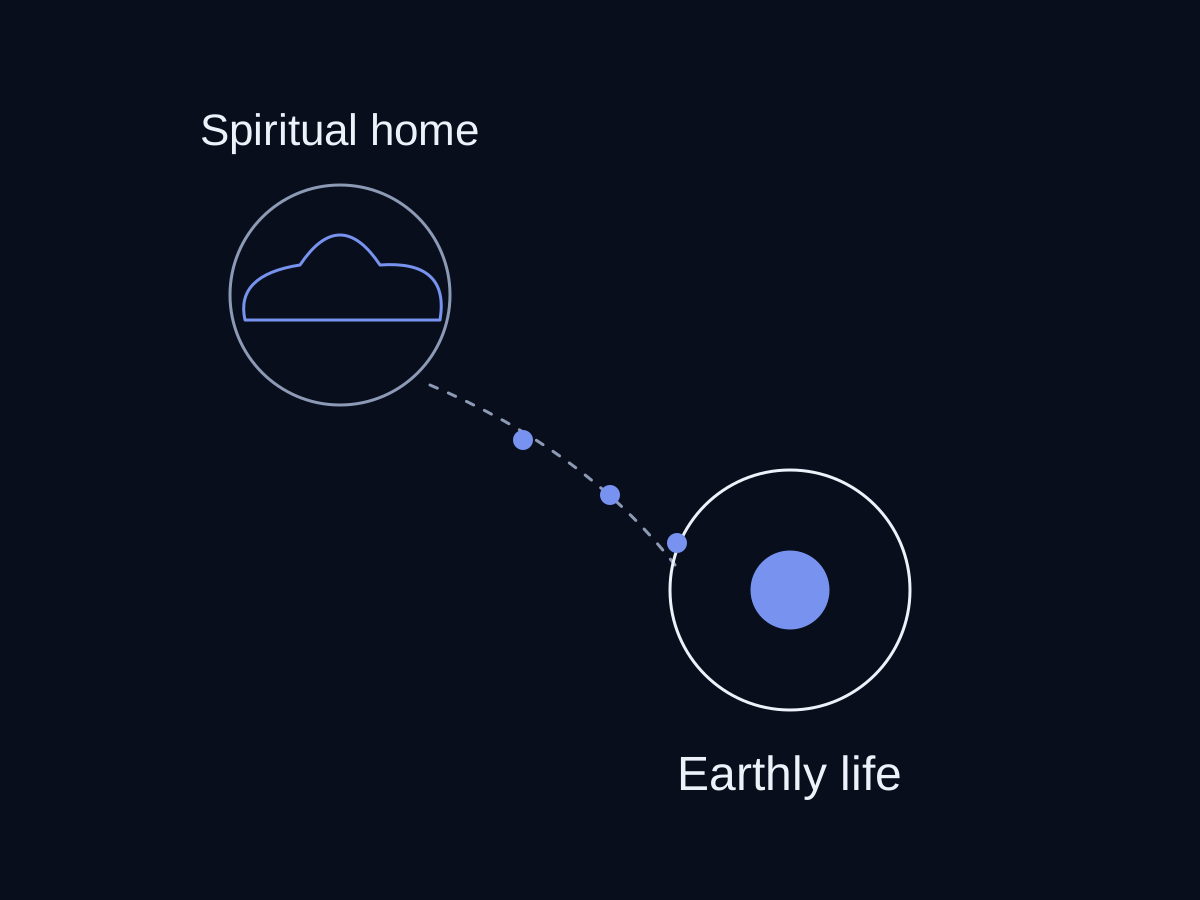
Trailing clouds of glory
Wordsworth imagines birth as arriving from a spiritual home. The soul carries something of that origin into earthly life.
William Wordsworth, Ode: Intimations of Immortality, stanza V
Original handwriting ↗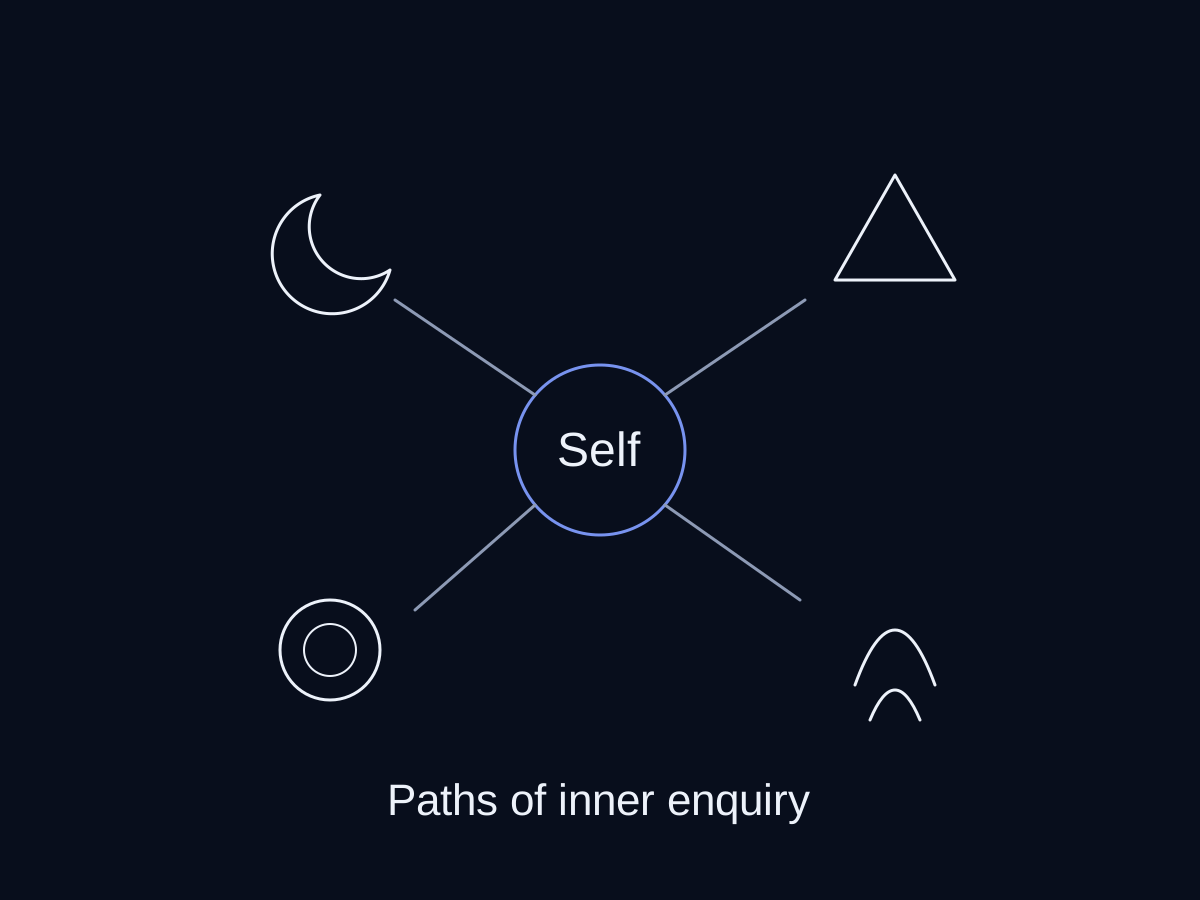
Accessing the self
The card places dreams, ideas, meditation and prayer within a spiritual search for the self.
Reading note after Steven Pressfield, The War of Art
A spiritual interpretation of creativity and the self. The handwritten list records practices and substances within that framework.
Original handwriting ↗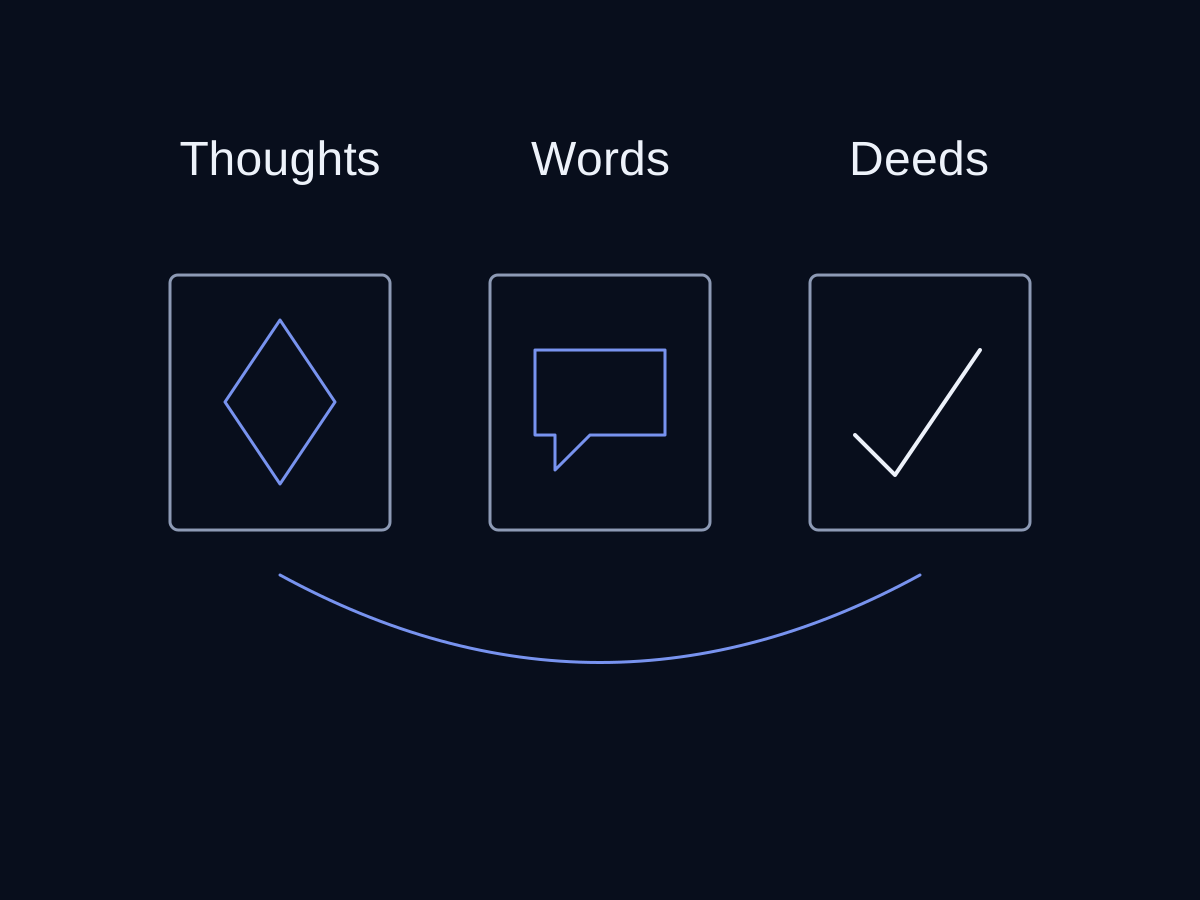
Thoughts, words and deeds
Xenophon opens his advice to a cavalry commander with a prayer for thoughts, words and deeds that will serve the gods, friends and city well.
Xenophon, Cavalry Commander 1.1; E. C. Marchant translation
From an ancient Greek text on military command.
Original handwriting ↗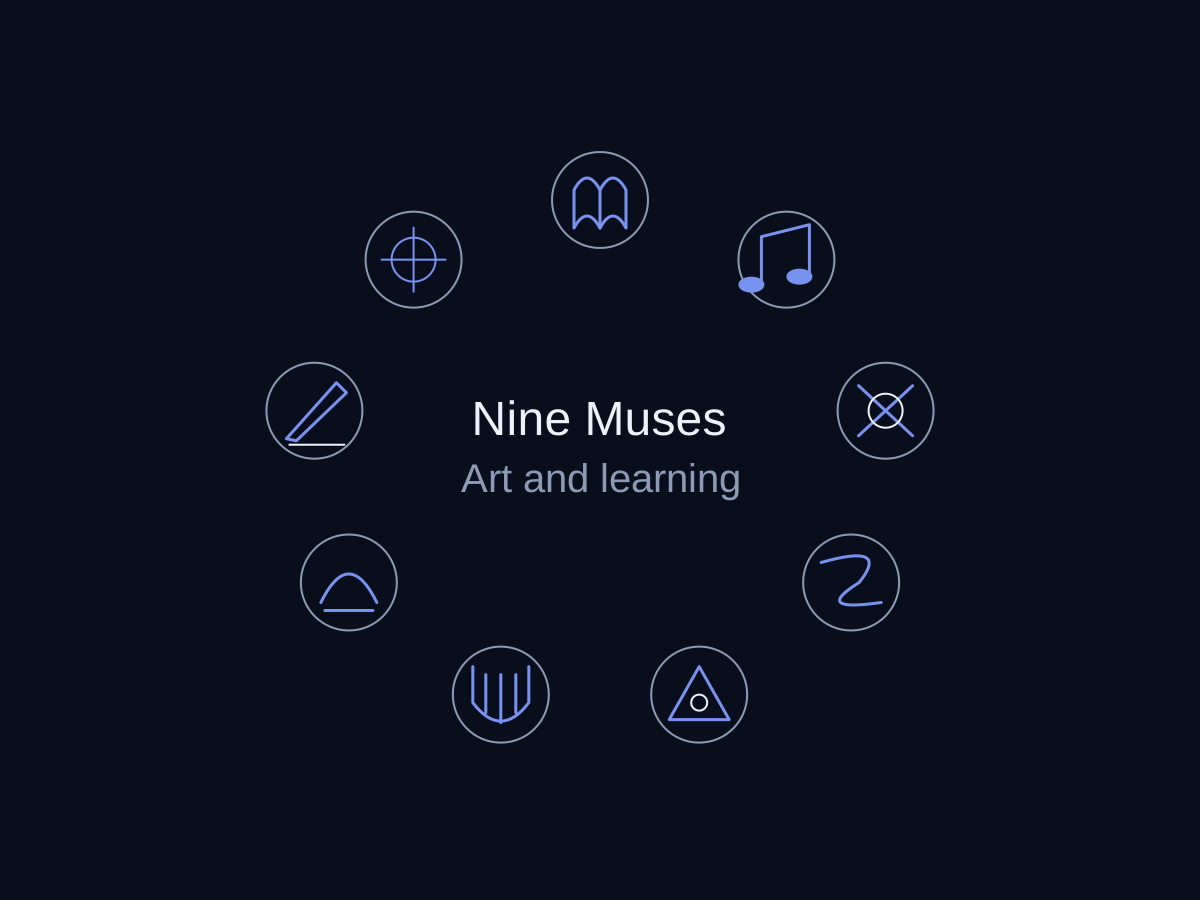
The nine Muses
In Greek mythology, the nine Muses are daughters of Zeus. They are associated with fields of art and learning: Clio, Erato, Thalia, Terpsichore, Calliope, Polyhymnia, Euterpe, Melpomene and Urania.
Reading note after Steven Pressfield, The War of Art
Figures from Greek mythology.
Original handwriting ↗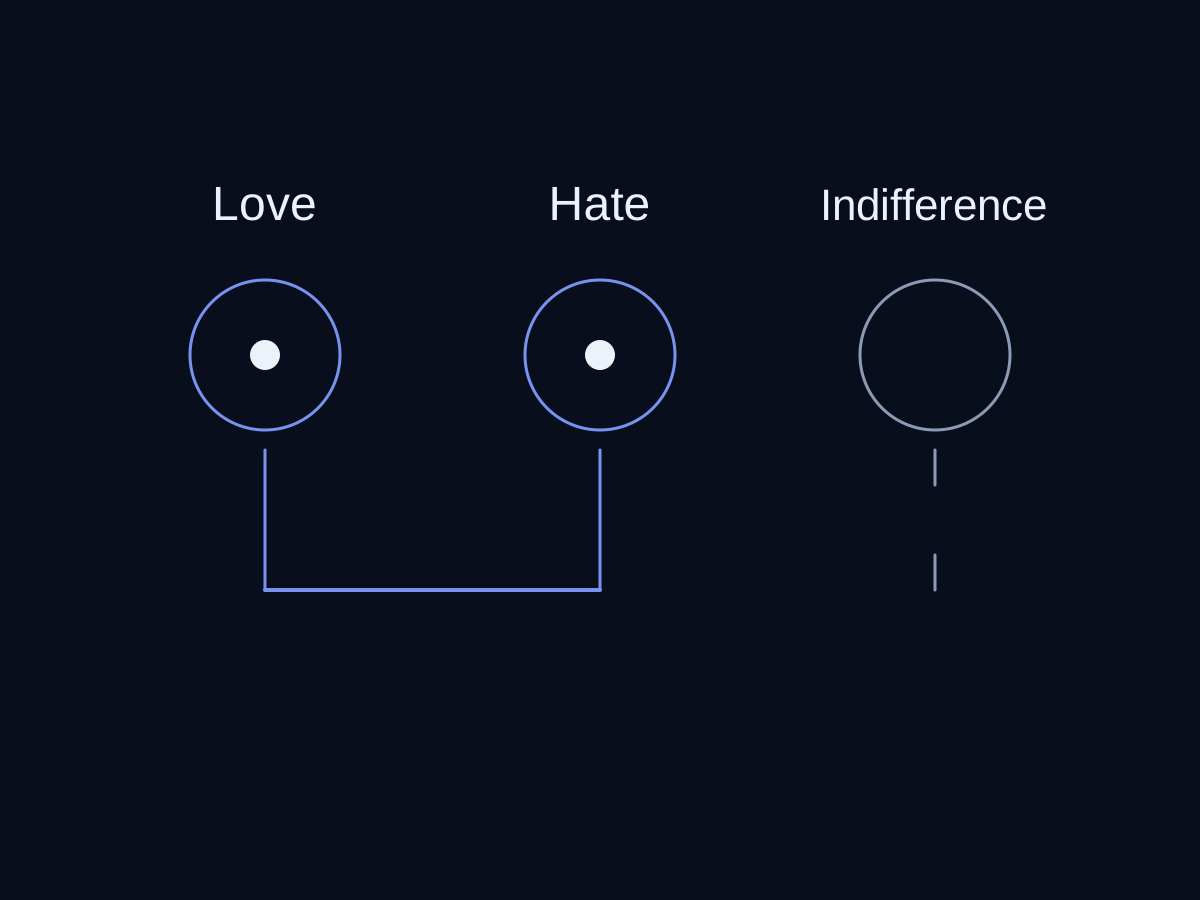
Indifference
Indifference means that emotional investment has gone. The card places this beside love and hate.
Reading note after Steven Pressfield, The War of Art
Original handwriting ↗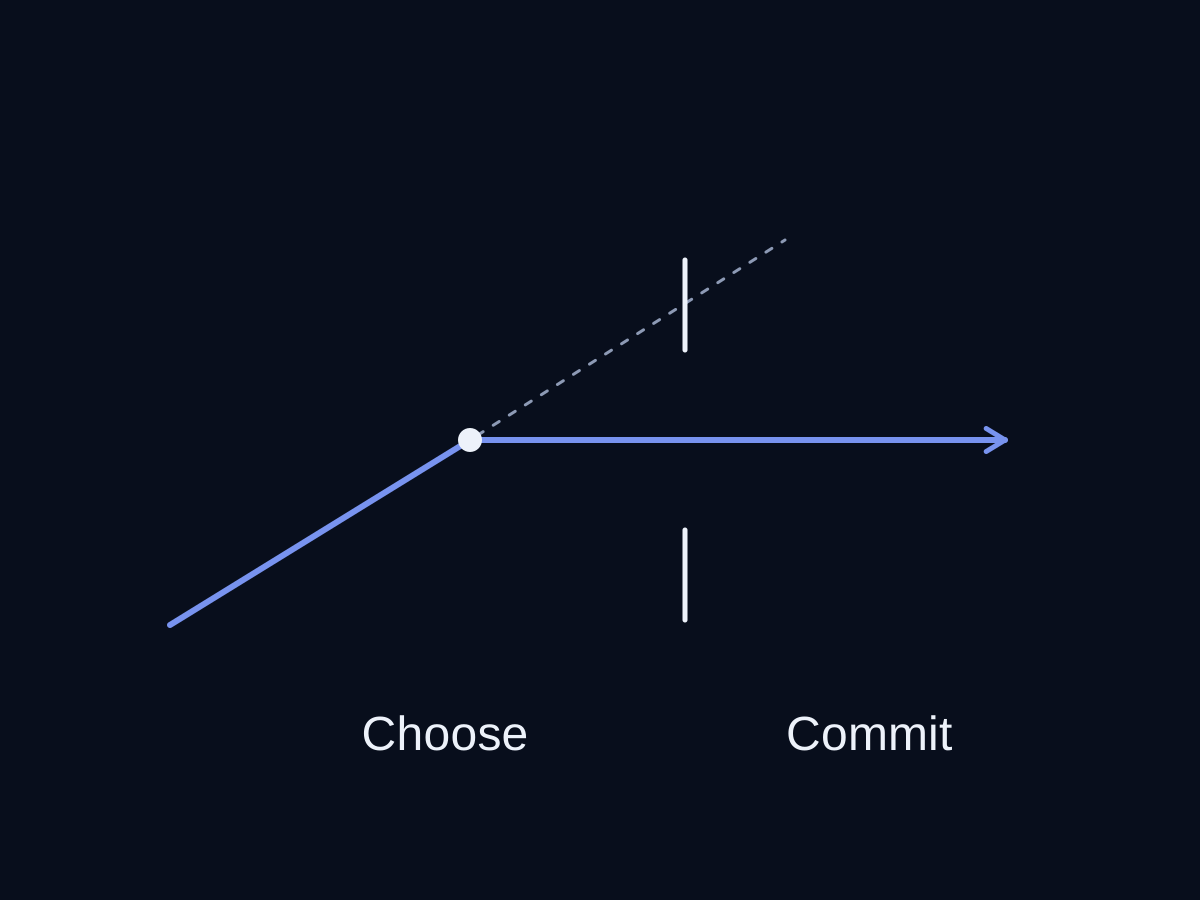
A choice
The note presents becoming a warrior as a decisive commitment.
Collected note; original Castaneda attribution unverified
Original handwriting ↗
 Open the original page ↗